
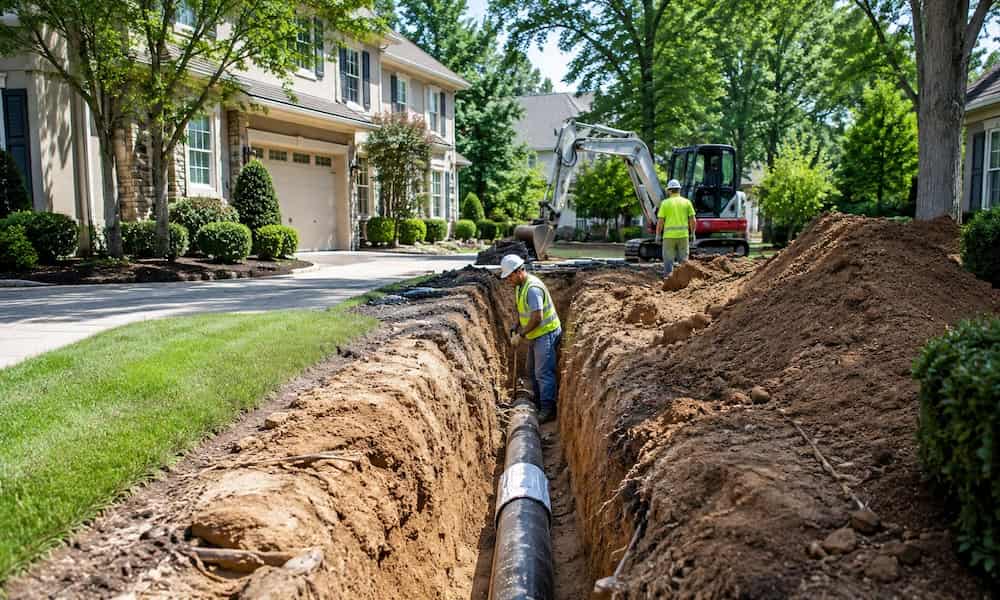
QUICK FACTS
- Sewer line repair is best for minor, isolated damage.
- Replacement is often better for old or badly damaged pipes.
- Recurring backups usually signal a deeper sewer line problem.
- A camera inspection is the best first step before deciding.
- Alpharetta’s clay soil can make long-term replacement more practical.
WHAT’S IN THIS GUIDE
Sewer line problems rarely start as emergencies. They build slowly, often going unnoticed until drains slow down, odors appear, or backups disrupt daily life.
When that happens, homeowners are faced with an important decision: should the issue be repaired, or is it time for a full replacement? The answer is not always obvious, and choosing the wrong option can lead to repeated problems and higher costs over time.
Here are the key factors that help determine whether sewer line repair or replacement is the right solution for your property.
Understanding Sewer Line Problems in Alpharetta Homes
Common Causes of Sewer Line Damage
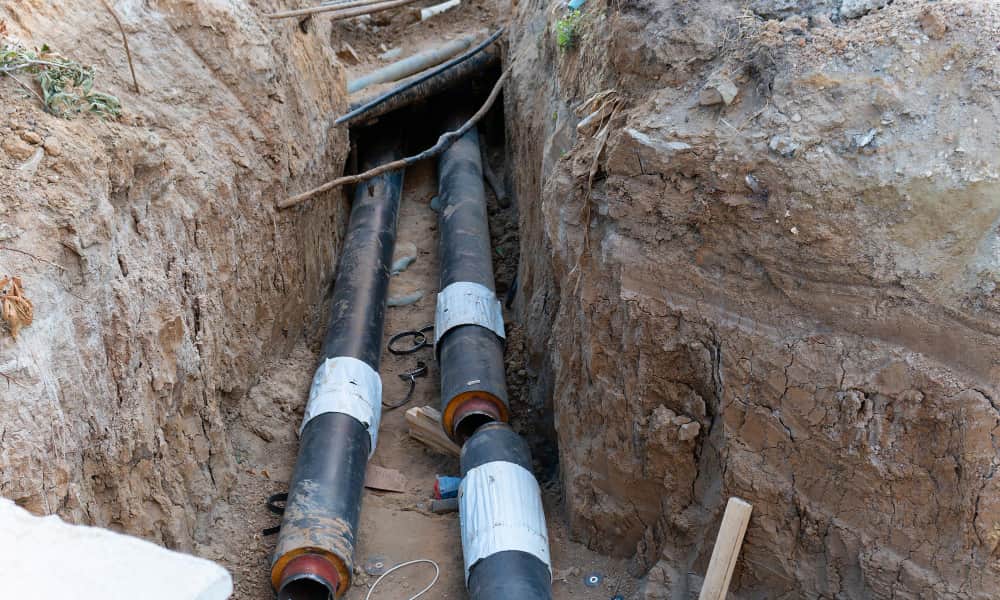
Sewer lines are built to last, but they are not immune to environmental and usage-related stress. In Alpharetta, several factors commonly lead to failure:
- Tree root intrusion: Roots are more likely to affect older sewer systems, especially pipes with cracks, loose joints, shallow placement, or smaller dimensions. Fast-growing tree species can increase the risk because their roots aggressively seek moisture and may enter weakened pipe openings.
- Pipe corrosion: Older cast iron pipes gradually corrode over time, which can lead to leaks, restricted flow, or even structural collapse.
- Clay soil movement: Expansive clay soil shifts with changes in moisture levels, placing ongoing pressure on underground pipes and increasing the risk of cracks or misalignment.
- Clogs and buildup: Grease, oil, and non-flushable items can accumulate inside pipes, restricting flow and creating pressure that may lead to blockages or damage.
- Aging infrastructure: Many homes still rely on outdated materials like clay or Orangeburg, which are more prone to deterioration and failure compared to modern piping systems.
Warning Signs You Shouldn’t Ignore
Recognizing early symptoms can help you act before a minor issue becomes a major repair:
- Slow drains throughout the home
- Persistent sewage odors indoors or outside
- Gurgling sounds from toilets or drains
- Wet patches or unusually lush grass in your yard
- Frequent backups or clogs
Sewer Line Repair vs Replacement: What’s the Difference?
| Category | Sewer Line Repair Near Me | Sewer Line Replacement |
| What it does | Fixes one damaged section | Replaces the full sewer line |
| Best for | Minor, isolated damage | Major or recurring problems |
| Common signs | One clog, small crack, minor root issue | Frequent backups, old pipes, and collapsed sections |
| Cost | Lower upfront cost | Higher upfront cost |
| Disruption | Usually less digging | May require more digging |
| Long-term value | Good for small issues | Better for aging or failing pipes |
When Sewer Line Repair Near Me Makes Sense
Minor, isolated damage
If the issue is limited to a small section, such as a single crack or minor root intrusion, residential sewer line repair is often sufficient. A targeted fix can restore function without unnecessary work.
- Small crack in one area
- Limited root intrusion
- No signs of pipe collapse
Structurally sound pipe material
Homes with newer PVC or ABS pipes are better candidates for repair. If the rest of the pipe system is intact, there is no need to replace it entirely, and residential sewer line repair is the better option.
- Modern pipe material
- No widespread corrosion
- Strong pipe structure outside the damaged section
Short-term budget considerations
Sewer line repair typically costs less than full replacement, depending on the scope. For homeowners managing immediate expenses, this can be a practical solution.
- Lower upfront cost
- Faster solution for urgent issues
- Useful when damage is not severe
Minimal surface disruption
Trenchless repair methods can fix certain pipe problems without digging up large sections of the yard. This makes repair appealing for properties with landscaping, driveways, or patios.
- Less digging required
- Helps preserve landscaping
- Often faster than full excavation
Recent or one-time sewer issue
Repair may make sense when the problem is new and has not happened repeatedly. If the rest of the sewer line is working properly, a focused repair can resolve the issue without unnecessary replacement.
- First major sewer issue
- No history of repeated backups
- Inspection shows the rest of the line is stable
When Sewer Line Replacement Is the Better Option
Widespread or severe damage
If your sewer line has multiple cracks, collapsed sections, or sagging areas, repairing isolated spots will not fix the overall problem. Replacement is often the only reliable solution.
- Multiple damaged sections
- Collapsed or crushed pipe areas
- Noticeable sagging or dips in the line
Outdated or failing pipe materials
Older materials such as clay, cast iron, or Orangeburg tend to weaken over time. Even after repairs, these pipes are more likely to fail again.
- Aging or brittle pipe material
- Signs of corrosion or deterioration
- History of material-related issues
Recurring sewer problems
Repeated clogs, backups, or persistent odors usually indicate deeper structural issues. Temporary fixes may not resolve the underlying cause.
- Frequent drain backups
- Ongoing foul smells
- Multiple service calls for the same issue
Long-term homeownership plans
If you plan to stay in your home, replacing the sewer line can reduce the risk of unexpected repairs. It also adds long-term reliability to your plumbing system.
- Planning to stay long term
- Wanting fewer future repairs
- Prioritizing system durability
Alpharetta’s clay soil conditions
Clay soil expands and contracts with moisture changes, which can stress sewer lines over time. Replacement can provide a more stable, long-lasting solution in these conditions.
- Soil shifting with weather changes.
- Increased pressure on underground pipes
- Higher risk of repeated damage in older lines
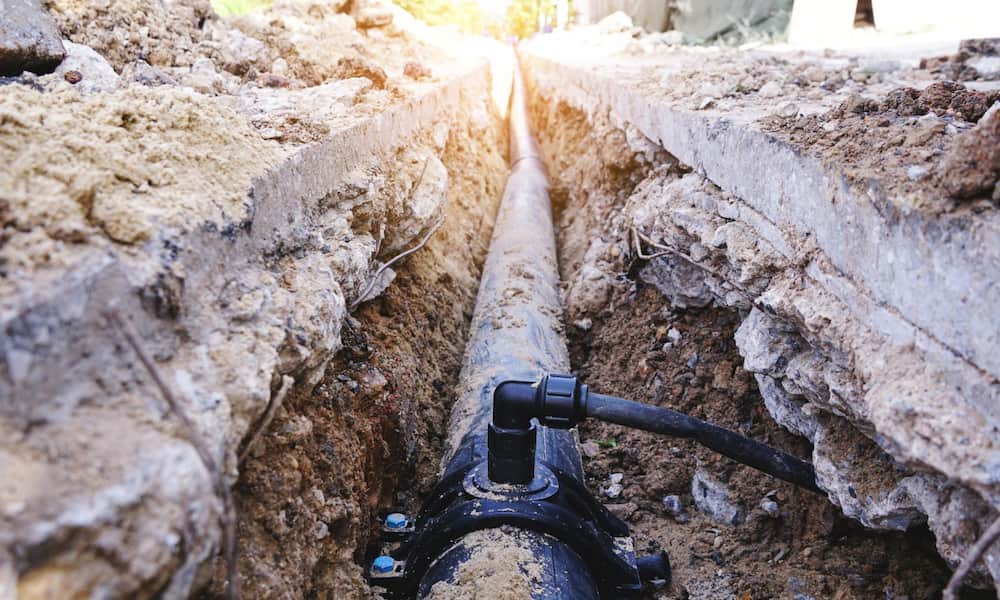
Key Factors That Should Guide Your Decision
Age of the Sewer Line
Pipes older than 40 to 50 years are more likely to crack, corrode, or collapse. If the system is near the end of its lifespan, replacement is often safer than repeated sewer line repair.
Extent of Damage
A single damaged area can often be repaired without replacing the full line. Widespread cracks, bellies, or collapsed sections usually require replacement.
Pipe Material
Modern PVC and ABS pipes are more durable and often better candidates for repair. Older clay, cast iron, and Orangeburg pipes are more vulnerable to corrosion, root intrusion, and structural failure.
Cost Comparison
Repair typically has a lower upfront cost and can address immediate issues. However, repeated fixes over time can add up, making it more cost-effective in some cases to replace sewer line systems for long-term reliability.
Frequency of Issues
A one-time clog or isolated crack may only need repair. Recurring backups, odors, or slow drains often point to a larger problem that repair alone may not solve.
How a Professional Inspection Helps You Decide
Step 1: Schedule a Sewer Camera Inspection
A camera inspection provides a clear view inside your sewer line without unnecessary excavation. It helps locate cracks, blockages, root intrusion, bellies, or collapsed sections accurately.
Step 2: Identify the Root Cause
Technicians can determine whether the issue is caused by roots, corrosion, buildup, soil movement, or structural failure. Knowing the cause matters because a clog may need cleaning, while pipe damage may require repair or replacement.
Step 3: Evaluate the Extent of Damage
The inspection shows whether the problem is limited to one section or spread across the line. Localized damage may be repairable, but widespread deterioration often points to replacement.
Step 4: Review Your Options
A professional can explain whether sewer line repair or replacement is the most effective solution. They can also compare trenchless and traditional methods based on pipe condition, access, and property layout.
Step 5: Consider Long-Term Value
Balancing upfront cost with durability helps you make a financially sound decision. If the same issue keeps returning, replacement may offer better value than paying for repeated repairs.
Preventing Future Sewer Line Problems
Preventive care helps reduce the risk of backups, pipe damage, and unexpected sewer line repair. For Alpharetta homeowners, small maintenance habits can make a major difference in how long the sewer system lasts.
Schedule Regular Sewer Inspections
Routine camera inspections can catch cracks, buildup, root intrusion, and pipe movement before they become expensive problems. This is especially helpful for older homes or properties with mature trees.
Avoid Flushing Grease, Wipes, or Debris
Grease can harden inside pipes, while wipes and debris can create stubborn blockages. Even products labeled flushable can contribute to clogs over time.
Manage Tree Root Growth Near Sewer Lines
Tree roots naturally move toward moisture, making sewer lines a common target when small leaks are present. Keeping large trees and aggressive root systems monitored can help prevent pipe intrusion.
Upgrade Aging Pipes Before Failure
Older clay, cast iron, or Orangeburg pipes are more likely to crack, corrode, or collapse. Replacing weak sections early may prevent emergencies and reduce the need to replace sewer line systems unexpectedly.
Frequently Asked Questions
Can sewer problems affect the rest of the home?
Yes, sewer issues can impact multiple fixtures at once since they share the same drainage system. Backups and blockages can disrupt toilets, sinks, and showers. In severe cases, it can also lead to property damage.
Is it normal for sewer lines to clog over time?
Some buildup over time is normal, especially in older systems. However, frequent clogs may indicate a deeper issue, such as pipe damage or root intrusion. Consistent problems should be evaluated professionally.
Do all sewer issues require digging?
Not all sewer problems require excavation, especially with modern diagnostic tools and trenchless solutions. Some issues can be resolved with minimal disruption to the property. The method depends on the condition and location of the damage.
Can weather affect sewer lines?
Yes, changes in moisture levels can impact soil movement, which in turn affects underground pipes. Heavy rain or drought conditions can increase stress on sewer lines. Over time, this can lead to cracks or shifting.
How often should sewer lines be checked?
Sewer lines do not need constant inspection, but periodic checks can help identify hidden issues. Older homes or properties with trees nearby may benefit from more frequent evaluations. Inspections are especially useful before major plumbing problems occur.
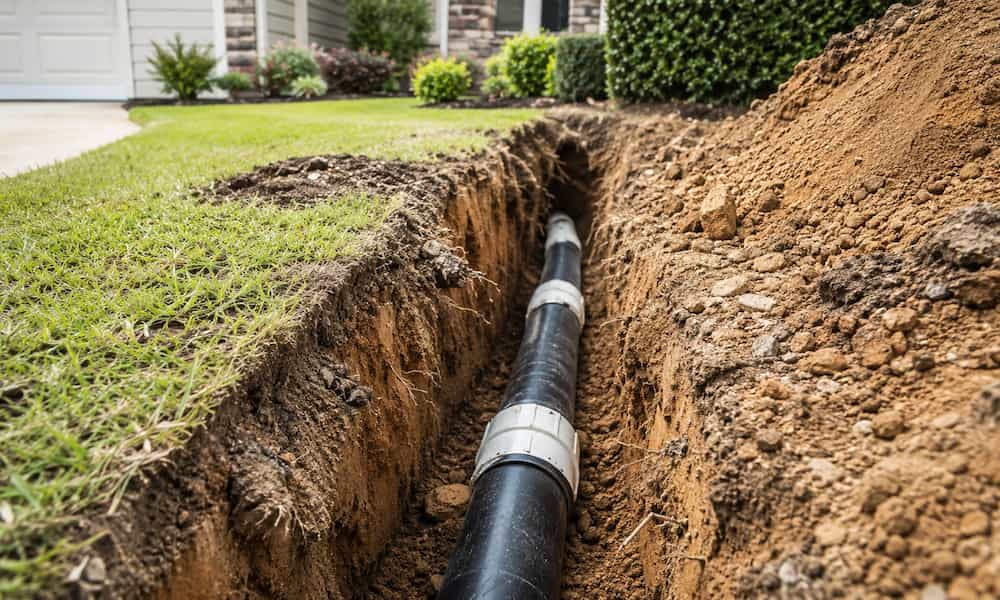
Make the Right Choice for Your Sewer Line Today
Choosing between sewer line repair and replacement is not just about cost. It is about understanding the condition of your system and making a decision that protects your home long term. In Alpharetta, soil conditions and aging materials often make replacement the more reliable investment, especially when problems continue to resurface.
A professional inspection is the most important first step. With the right diagnosis, you can avoid unnecessary repairs and make a confident, informed decision. For homeowners looking for expert guidance and honest recommendations, Zippy Plumber offers experienced support tailored to local conditions.
Contact Zippy Plumber to schedule an inspection and get expert guidance.