
Quick Facts
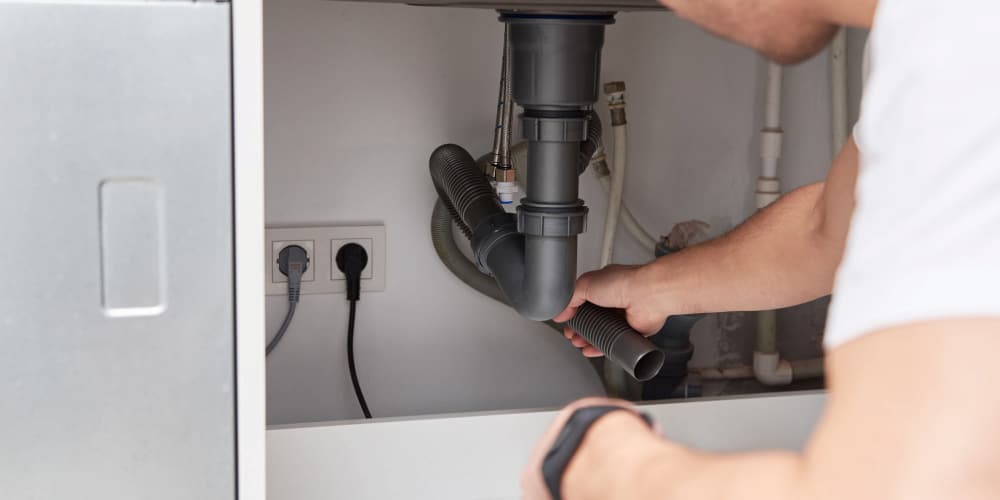
- A backed-up sink can signal a deeper plumbing problem.
- Multiple affected drains often mean a main line issue.
- Recurring clogs usually need more than a DIY fix.
- Fast action can help prevent damage and higher costs.
- Professional service helps fix the real source of the problem.
What’s In This Guide
- What Causes a Sink to Back Up?
- Warning Signs Your Sink Problem Is Serious
- When to Call a Plumber Near Me (Emergency Indicators)
- What a Plumber Near Me Will Actually Do
- Why Fast Plumbing Repairs Matter
- What to Do Immediately Before the Plumber Arrives
- DIY Fixes vs. Professional Plumbing
- Preventing Future Sink Backups
- Frequently Asked Questions
- Call Now to Stop a Backed-Up Sink Before It Gets Worse
Plumbing issues do not always start with a major warning sign. Sometimes a small drainage problem can point to a larger issue behind the scenes. In fact, household leaks can waste more than 10,000 gallons of water a year, showing how quickly a routine plumbing problem can become costly.
A sink backup can be similar. It may be a simple clog, or it may be a sign that it is time to call a plumber near you.
Here are the most common signs that your sink backup may require professional plumbing service.
What Causes a Sink to Back Up?
Common Household Causes
Most sink backups begin with everyday habits. Grease, food scraps, soap residue, and hair gradually build up inside pipes. Over time, these materials narrow the water passage, leading to slow drainage and eventual blockage.
In kitchen sinks, grease is one of the biggest culprits. When poured down the drain, it cools and solidifies, sticking to pipe walls and trapping debris.
Deeper Plumbing Issues
Not all clogs are within reach. Some occur deeper in the plumbing system, where standard tools cannot access them. These include:
- Tree root intrusion into sewer lines
- Pipe corrosion or collapse
- Heavy buildup in older plumbing systems
Main Line vs. Isolated Clog
A single clogged sink is often localized. However, if multiple fixtures are affected, the issue may lie in the main sewer line. This distinction matters because mainline clogs can impact the entire home and require urgent attention.
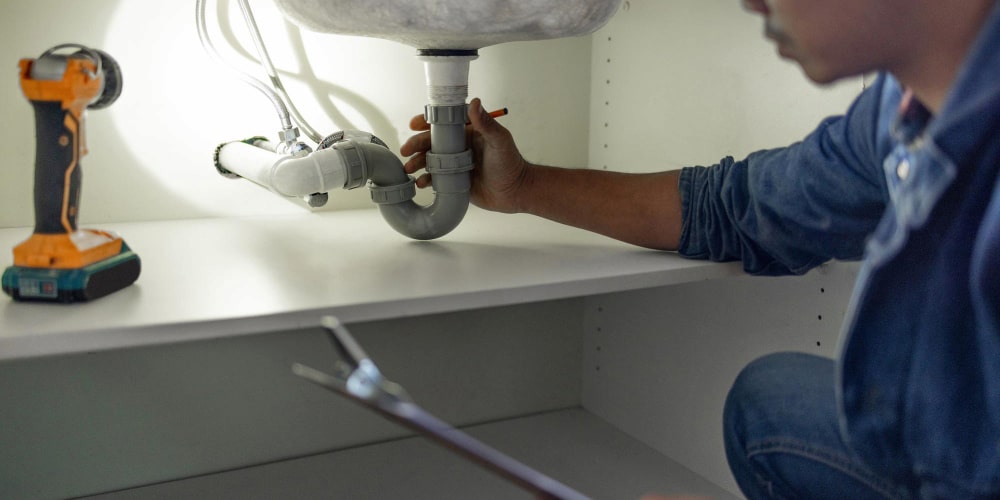
Warning Signs Your Sink Problem Is Serious
Total Blockage
If water does not drain at all, the blockage is severe. This often indicates a fully obstructed pipe that needs immediate professional intervention.
Recurring Slow Drain
A slow-draining sink even after cleaning suggests the clog is deeper or more complex than it appears.
Gurgling Sounds
Gurgling noises occur when air is trapped in the pipes due to a blockage. This is often one of the earliest warning signs of a developing issue.
Foul or Sewage Odors
Persistent unpleasant smells coming from the drain can indicate decomposing debris or a sewer line problem. These odors should not be ignored, as they may signal contamination risks.
Water Backing Up Into Other Drains
If you notice sink backing up when the dishwasher runs, it usually points to a shared drainage issue rather than a simple clog in one fixture. When water from one appliance affects another drain, the problem is often deeper in the line.
When to Call a Plumber Near Me (Emergency Indicators)
Multiple Drains Are Affected
If running appliances cause unexpected reactions in other fixtures, such as bubbling or backflow, the issue likely involves the main sewer line.
Complete Drain Failure
A sink that does not drain at all is not a situation to delay. Standing water can quickly lead to sanitation and damage concerns.
Persistent Clogs Despite DIY Attempts
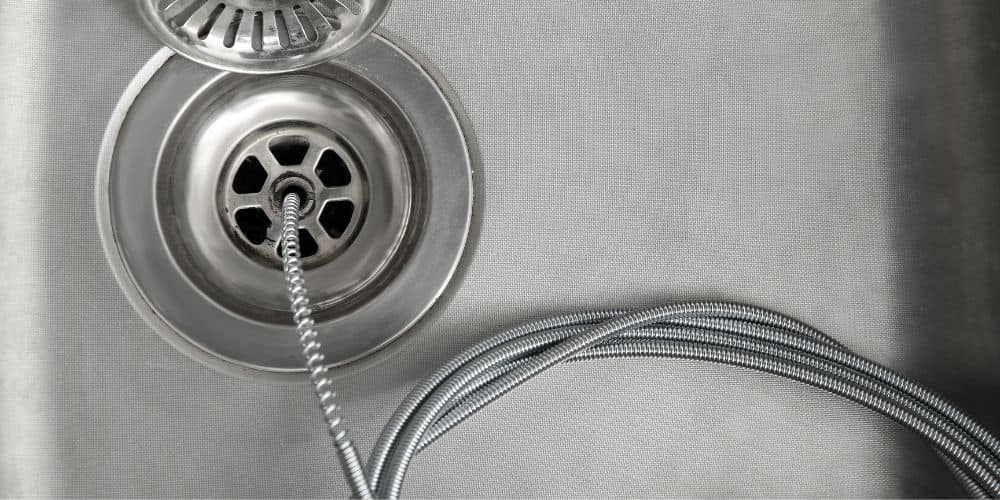
If plunging or using a drain snake does not resolve the issue, the blockage is likely beyond reach. Continuing DIY efforts can push the clog deeper or damage pipes.
Visible Water Damage or Leaks
Puddles, damp cabinets, or water stains indicate that the problem may already be affecting surrounding areas.
Strong Sewage Smell
A sewage odor is a health concern and often points to serious drainage or venting issues that require immediate attention.
What a Plumber Near Me Will Actually Do
When a sink backup goes beyond a simple clog, a local plumber can do more than just restore drainage. The goal is to find the actual source of the problem and fix it in a way that helps prevent it from coming back.
Camera Inspections
A plumber may use a drain camera to inspect the inside of the pipe and locate the exact blockage. This is especially helpful when a kitchen sink backs up when the dishwasher runs or when the issue seems deeper in the line.
Hydro Jetting
Hydro jetting uses high-pressure water to clear grease, sludge, and buildup from the inside of pipes. It can be a strong solution for recurring problems such as a dishwasher backing up into the sink due to heavy accumulation in the drain line.
Sewer Line Repair or Replacement
If the blockage is caused by pipe damage, root intrusion, or a main line issue, the plumber may recommend repairing or replacing part of the sewer line. This is often necessary when multiple fixtures are affected.
Leak Detection and Repair
If there are signs of moisture or water damage, a plumber can identify hidden leaks around the sink or within the pipes. Addressing these leaks early helps prevent further damage and supports proper drainage throughout the system.
Need Fast Help for a Backed-Up Sink?
Discover the full range of plumbing services available from Zippy Plumber for kitchens, drains, sewer lines, leaks, and more.
Browse Our Plumbing ServicesWhy Fast Plumbing Repairs Matter
A backed-up sink can go from a minor inconvenience to a bigger home repair issue faster than many homeowners expect. Waiting too long can allow water to spread, damage surrounding materials, and increase the chances of a more serious plumbing failure.
- Structural damage: Standing water and repeated overflow can damage sink cabinets, walls, and nearby flooring.
- Mold and mildew growth: Moisture that lingers on a surface, it can create the right conditions for mold and mildew to develop.
- Full sewer line backups: A blockage that is left untreated can spread deeper into the plumbing system and affect other drains in the home.
- Higher repair costs: Addressing the problem early is usually simpler and less expensive than dealing with emergency damage later.
What to Do Immediately Before the Plumber Arrives
Step 1: Stop Using Water Immediately
Avoid using sinks, dishwashers, washing machines, or toilets near the affected area so additional water does not enter the clogged line and cause more backup or overflow.
Step 2: Turn Off the Garbage Disposal
Do not run the disposal if the sink is already full or draining poorly, since it can push food waste deeper into the pipe and make the blockage more difficult to remove.
Step 3: Contain Any Water Leaks
Use towels, rags, or a bucket to manage standing water and protect nearby cabinets, flooring, and baseboards from moisture damage.
Step 4: Check Other Drains
Test nearby fixtures carefully, if possible, to see whether the issue is limited to one sink or affecting multiple drains in the home, which can point to a larger blockage.
Step 5: Ask Neighbors if Applicable
In multi-unit buildings, ask nearby neighbors if they are having similar plumbing problems, since the issue may be connected to a shared drain line or stack rather than your unit alone.
DIY Fixes vs. Professional Plumbing
|
Category |
DIY |
Professional |
|
Methods Used |
Plunger, hot water to dissolve grease, basic drain snake for minor clogs near the drain opening |
Camera inspections, professional augers, hydro jetting, and advanced tools to locate and remove deep blockages |
|
When It Works |
Effective for minor, isolated clogs that clear quickly and do not return |
Necessary for persistent, recurring, or severe clogs, especially those affecting multiple fixtures |
|
Risks |
Chemical cleaners can corrode pipes, and improper use of tools can push clogs deeper into the system |
Minimal risk when handled by trained professionals using the right equipment and techniques |
|
Limitations |
Cannot reach deep or main line blockages and may only provide temporary relief |
Addresses the root cause of the issue and provides a long-term solution |
|
When to Escalate |
If the clog persists, worsens, or keeps coming back despite attempts to fix it |
Immediate action is taken to diagnose and resolve complex or system-wide plumbing issues |
Preventing Future Sink Backups
Preventive care can significantly reduce the likelihood of future issues. Use this checklist to keep your plumbing system running smoothly:
- Avoid pouring grease or oil down the drain
- Use strainers to catch food particles and debris
- Flush drains regularly with hot water
- Be mindful of what goes into garbage disposals
- Schedule periodic inspections for older plumbing systems
Frequently Asked Questions
Can a clogged sink fix itself?
No. Even if water eventually drains, the blockage is still present in the pipe and can continue to build up, leading to a more severe clog over time.
Is a slow drain an emergency?
Not always, but a slow drain that keeps returning or gets worse over time should be addressed before it turns into a complete blockage.
Why does my sink gurgle when I use other appliances?
It usually means air is trapped in the pipes due to a blockage or a venting issue, and it may indicate that the problem is affecting more than one part of the system.
Can I use chemical drain cleaners safely?
Not recommended. Chemical cleaners can damage pipes, especially older ones, and often do not fully remove the clog, which can make the issue worse later.
How do I know if it is a main sewer line problem?
If multiple fixtures are draining slowly or backing up at the same time, or if water appears in other drains, it is likely a main sewer line problem.
Call Now to Stop a Backed-Up Sink Before It Gets Worse
A backed-up sink is often the first sign of a larger plumbing issue that will not resolve on its own. Acting early protects your home from damage, reduces repair costs, and ensures your plumbing system remains safe and functional.
If you are experiencing persistent clogs, unusual odors, or water backing up into other fixtures, it is time to bring in a professional. Homeowners in Alpharetta, GA can rely on experienced providers like Zippy Plumber to diagnose and resolve the issue quickly and effectively before it turns into a more serious problem.
Call Zippy Plumber today to quickly resolve your sink backup before it turns into a bigger problem.