Leaks can hide behind walls, under floors, and beneath your plumbing fixtures, but the damage they cause can show up fast.
Zippy Plumber’s professional leak detection services in Sandy Springs, GA help homeowners find hidden leaks quickly and accurately before they lead to costly water damage, mold concerns, or rising utility bills. Our team uses advanced detection methods to locate the source with minimal disruption and no unnecessary guesswork.
Call us today to schedule expert leak detection in Sandy Springs, GA, and get the issue handled before it gets worse.
Choosing an experienced leak detection company, like Zippy Plumber, is important when dealing with underground plumbing issues. In Sandy Springs, we use specialized equipment and proven diagnostic methods to locate leaks beneath residential slabs and within complex commercial plumbing systems.
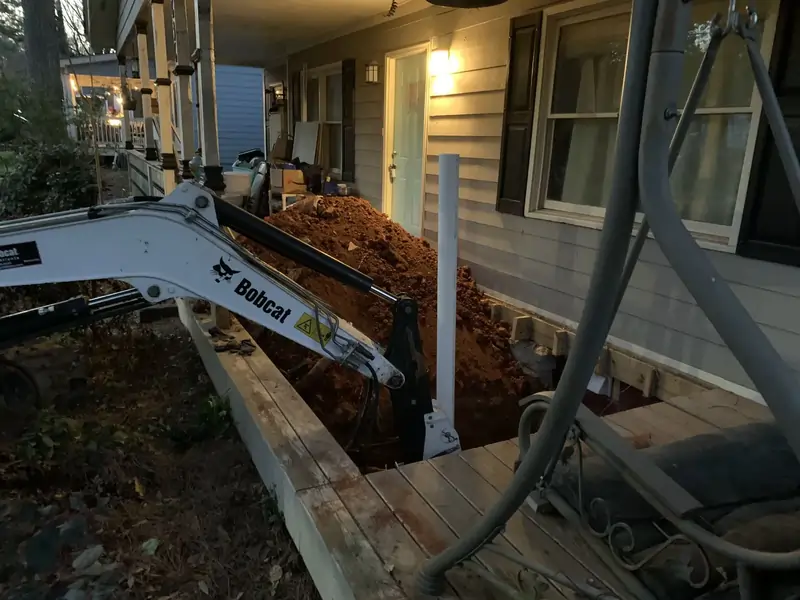
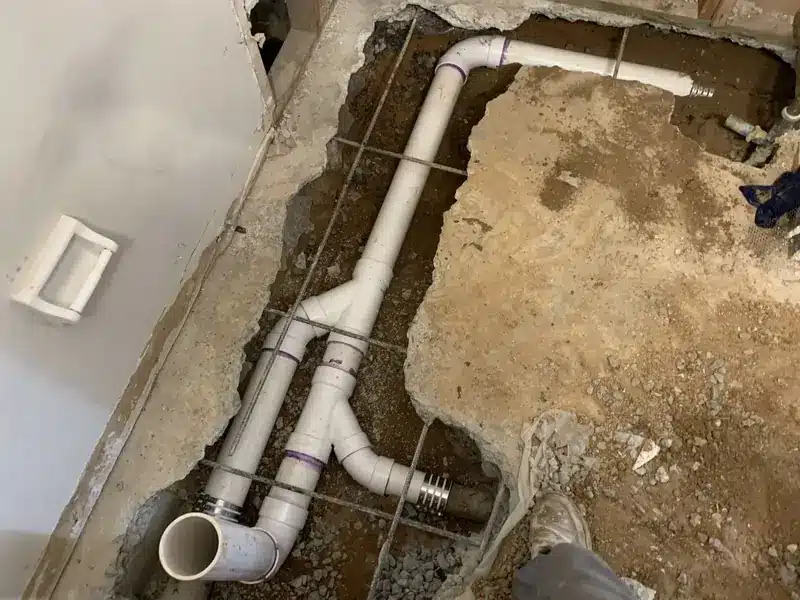
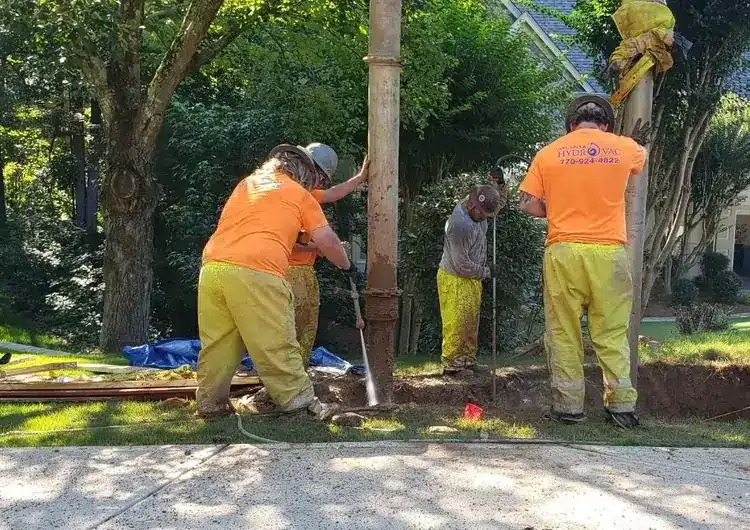
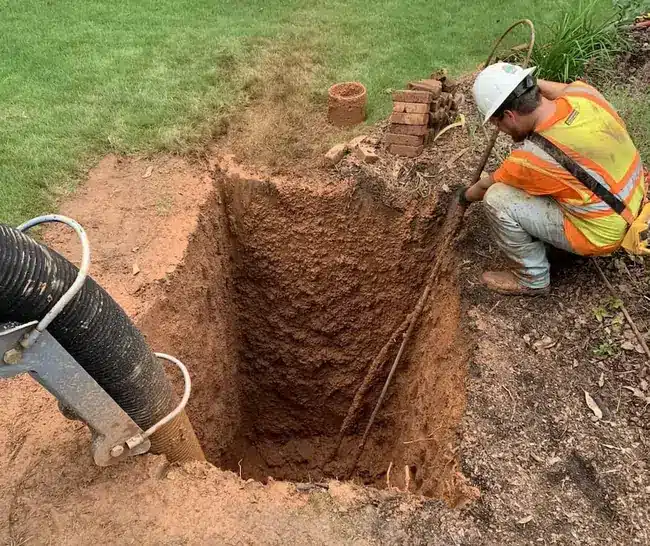
Sandy Springs has a lot of concrete above its buried pipes. Driveways, patios, and finished hardscaping sit directly over the lines that need inspection. We confirm the leak location using acoustic sensors, electronic line tracing, and camera inspection before any surface is touched, so access stays precise and disruption stays minimal.
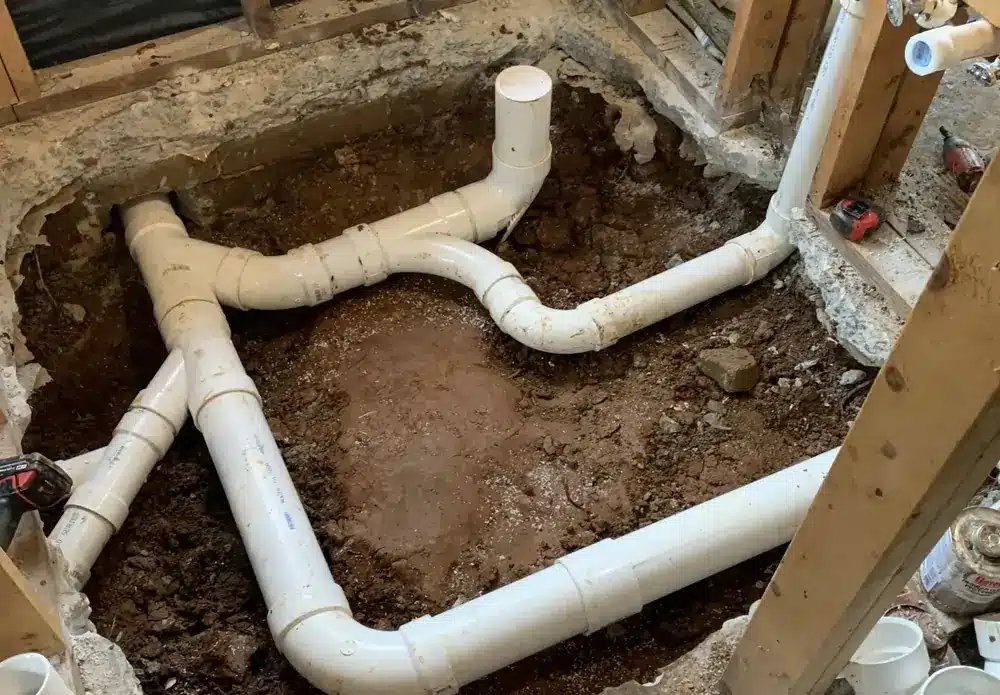
Slab leaks and main line failures in Sandy Springs can move fast. Water escaping beneath a concrete foundation softens the soil and puts pressure on the structure above it. When that situation is active, we get an inspection scheduled quickly and move straight to diagnosis.
Sandy Springs slab leaks often involve insurance. Every inspection is documented with video footage, pipe measurements, and written notes, giving you a complete record of what was found and where. That documentation supports both the repair plan and any claim you need to file before work begins.
Sandy Springs sits on Georgia's expansive red clay, which swells in wet weather and contracts during dry periods. That seasonal movement places ongoing stress on buried water service lines, particularly in older properties along the Roswell Road corridor and near the Chattahoochee where original pipe materials are still in the ground.

The interaction between aging copper, clay soil movement, and water chemistry makes slab leaks a consistent concern across this part of North Atlanta. Sandy Springs has a high concentration of slab-foundation homes where copper supply lines from the 1970s and 1980s are now reaching the end of their service life. Acoustic listening equipment identifies the pressure escape beneath the concrete and marks the exact spot before any cutting begins.

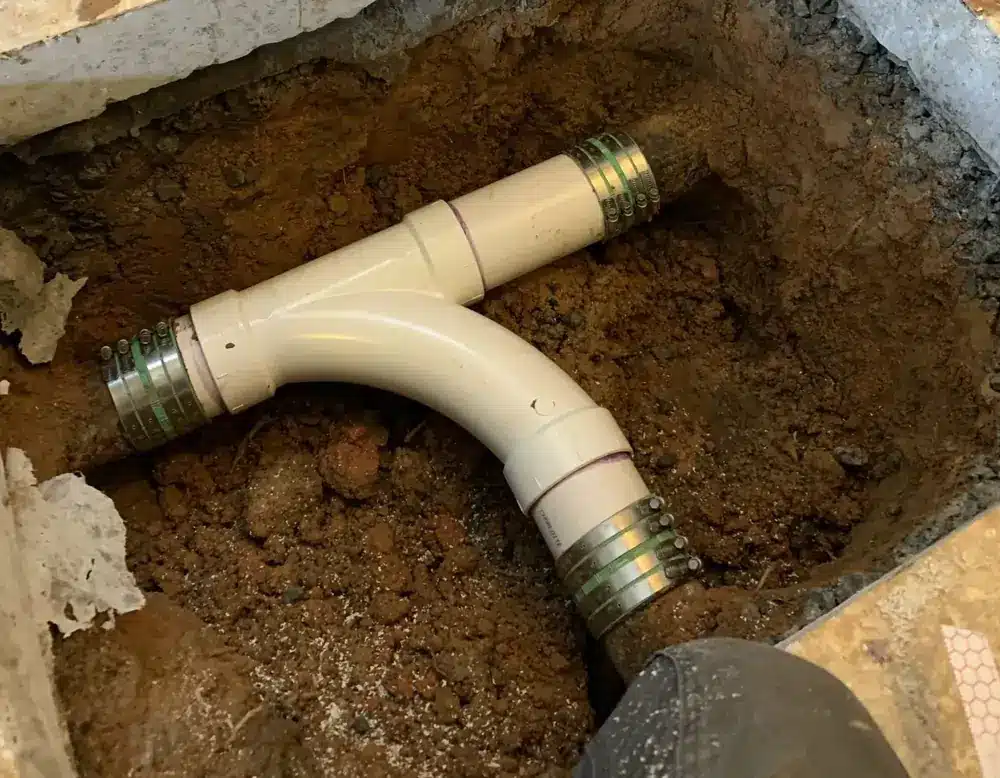
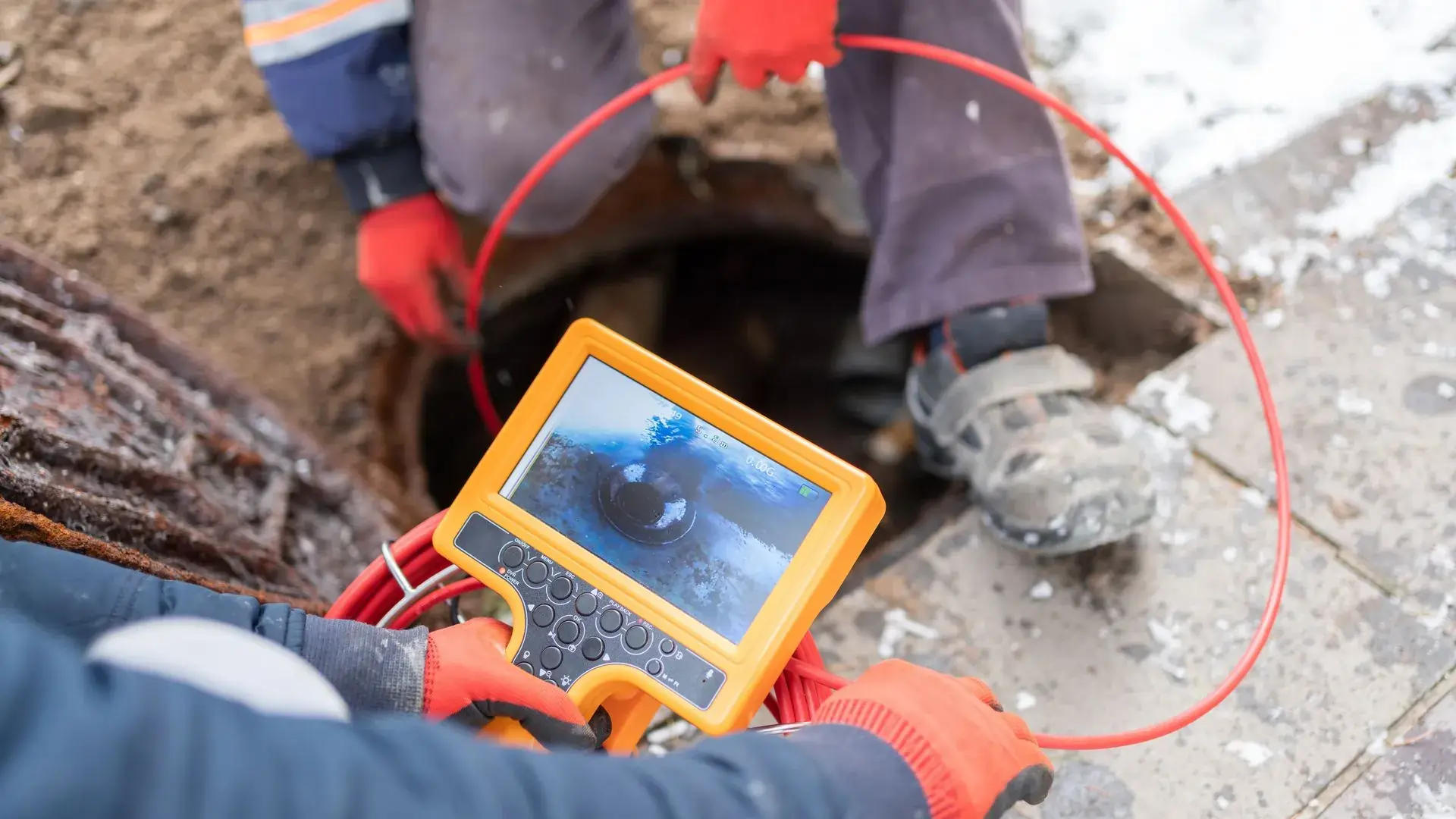
Sandy Springs' older neighborhoods carry clay sewer lines that crack as soil shifts and root systems expand. The city's mature residential corridors along Roswell Road and near the river have established trees whose roots actively seek moisture from any available joint or crack in a buried sewer lateral. We run a camera through the lateral from the cleanout, capturing exactly where a crack, offset, or root mass is affecting the line and how severe the damage is.

A leak in the main supply line often signals itself through a wet area in the yard, pressure loss at fixtures throughout the property, or a rising water bill without a change in usage. Sandy Springs properties along older residential streets are particularly prone to main line failures as original service connections age.

Sandy Springs is home to a dense commercial corridor along Roswell Road and Hammond Drive, including restaurants, office buildings, medical facilities, retail centers, and multifamily properties. Commercial underground plumbing handles higher daily demand, and a buried leak can disrupt operations quickly.
A sharp rise in A sharp rise in your monthly usage without an obvious cause is one of the clearest signals of a buried leak. without an obvious cause is one of the clearest signals of a buried leak. In Sandy Springs, where utility costs are already a line item in most household budgets, an unexplained spike is worth investigating immediately.
Warm areas underfoot or moisture appearing at the base of walls are characteristic signs of a slab leak in Sandy Springs homes. These symptoms indicate water is escaping from a supply line below the concrete and moving toward the surface.

Ground that remains saturated well after rainfall stops often indicates water escaping from a buried line. Sandy Springs' clay soil can hold moisture naturally, which sometimes masks how long a buried leak has been running.

Whole-property pressure drops, rather than a single slow fixture, point to water loss occurring before the line reaches the building. Underground supply line leaks are a common cause.
Audible water movement when all fixtures are off often points to a pressurized line that has failed somewhere along its run. This sound is most apparent near the floor or foundation in a quiet room.

A cracked or separated sewer lateral can release gas into the surrounding soil. If you notice sewer odors in the yard, near a cleanout, or close to the foundation, avoid disturbing the area and schedule a professional inspection. A sewer camera inspection can help identify whether a crack, separation, or blockage is present.
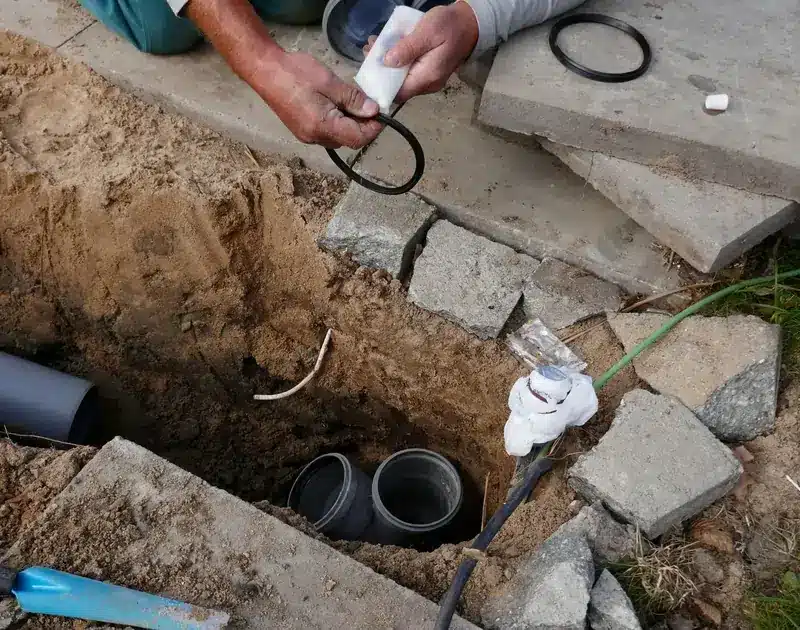
We start by assessing the property layout, surface conditions, and available access points. Sandy Springs properties vary widely, from slab-foundation homes in Riverside to commercial systems near the Perimeter, and that context shapes how the inspection is structured.
Acoustic equipment detects the sound of water escaping a pressurized line through soil and concrete. Electronic correlators then narrow the location to a specific segment along the pipe run.
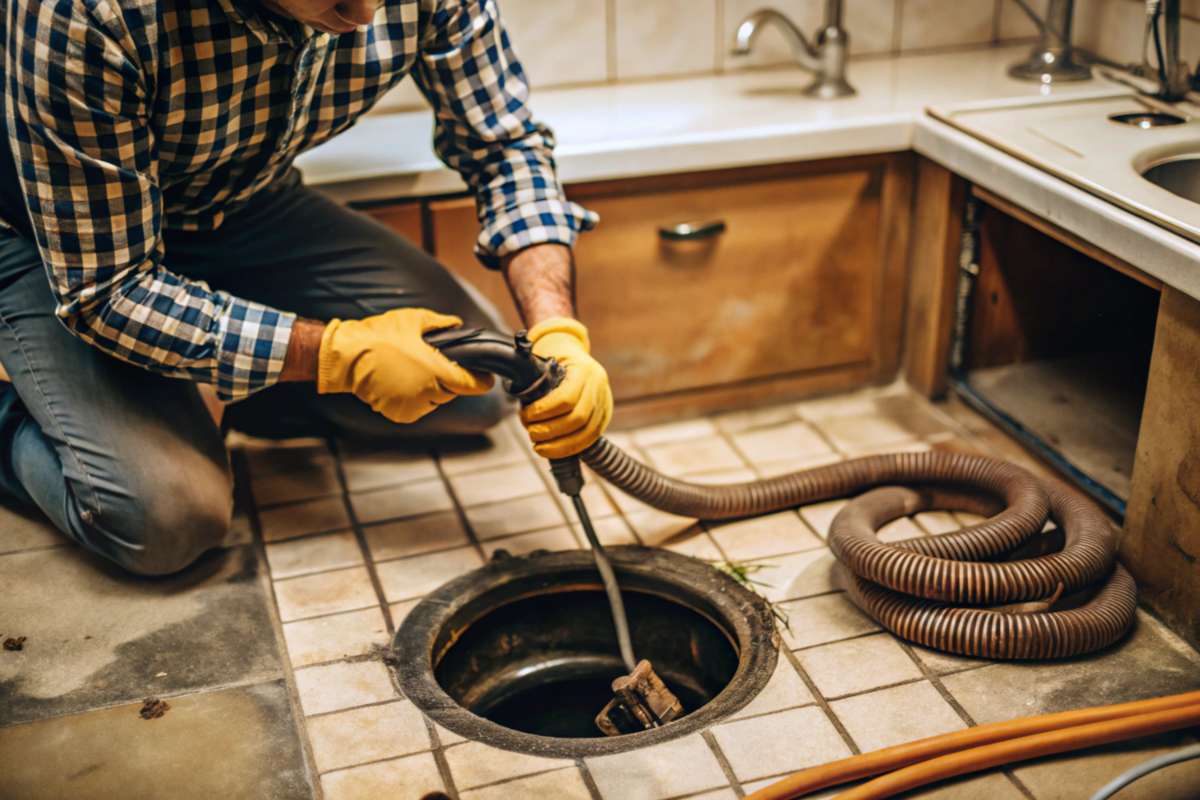
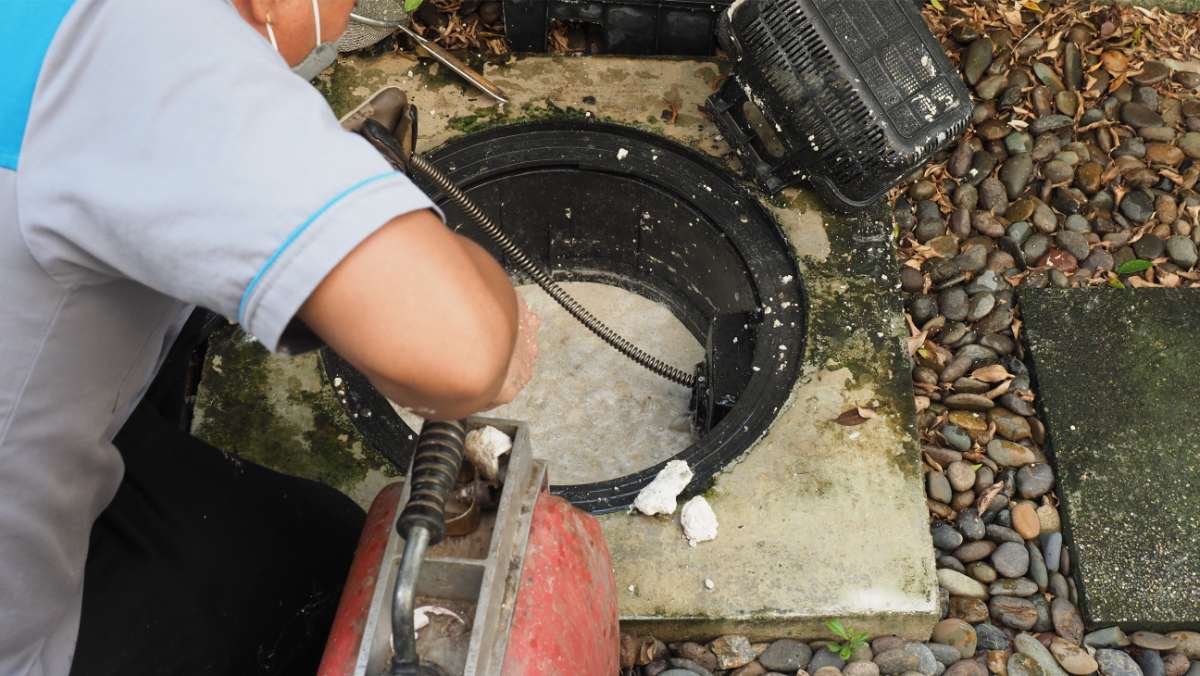
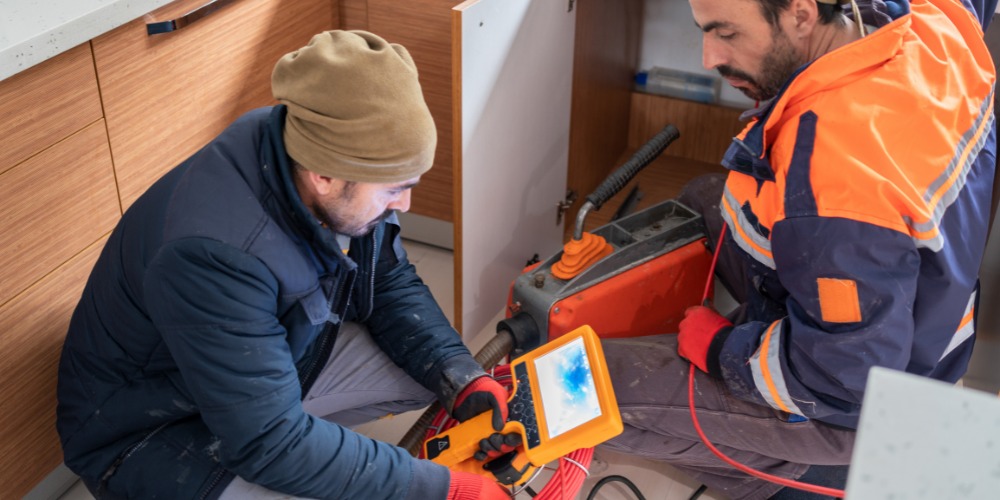
A camera is deployed from the cleanout into the sewer lateral, documenting the pipe interior in real time. This step identifies root intrusion, joint separation, cracks, and any structural issues affecting the line.
The exact leak location is marked and confirmed before any repair discussion begins. No work is recommended until this step is complete.
Inspection results are documented with video footage, measurements, and written notes. The repair recommendation is based directly on what the diagnostics show.
An active underground leak can cause ongoing property damage and water loss if left unaddressed. As a responsive leak detection company, we prioritize urgent calls and work to inspect the issue as soon as possible.
A sudden failure in a Sandy Springs water main or sewer lateral can affect the foundation, the yard, and in commercial properties, daily operations. Fast diagnosis limits how far the damage spreads before repair begins.
We arrive, assess the site, and document what we find before any repair work is discussed. That documentation is in hand before any commitment to a repair approach is made.
Sandy Springs has a specific set of underground plumbing conditions that are a direct product of its development history. The neighborhoods built in the 1970s and early 1980s on slab foundations, particularly Riverside, Mount Vernon Woods, and Northside Woods, are now dealing with copper supply lines that have reached the end of their service life.
As a leak detection company serving Sandy Springs, we understand how Georgia red clay moves with the seasons along Roswell Road and near the river corridor, how aging sewer infrastructure in the city's older residential districts behaves under root pressure, and how the density of Sandy Springs' commercial properties along Hammond Drive and Perimeter creates underground plumbing demands that differ from standard residential work.
Every inspection reflects that local context. Whether the property is a 1970s ranch home on a slab or a multifamily complex near the Perimeter, the detection process is built around the actual conditions of the system being inspected.
Leak detection costs in Sandy Springs, GA vary based on the type of leak, where the line is located, how accessible the plumbing is, and which diagnostic methods are needed to confirm the source. A visible water line issue near an accessible cleanout may require a different inspection process than a slab leak beneath finished flooring or a buried line beneath a driveway, patio, or landscaped area.
Because every property is different, Zippy Plumber provides estimates based on the symptoms, site conditions, and scope of the inspection. The goal is to identify the source accurately before repair recommendations are made, so homeowners, property managers, and business owners can make informed decisions.
Several factors can influence the cost of leak detection in Sandy Springs, including:
For the most accurate pricing, call us and tell us what you are noticing. We’ll review the symptoms, recommend the right leak detection method, and provide a clear estimate before any work begins.
Acoustic listening equipment picks up the sound of pressurized water escaping through soil and concrete. Electronic correlators narrow the location along the pipe run. Camera inspection documents the pipe interior directly.
Yes. Acoustic equipment identifies exactly where the pressure loss is occurring beneath the slab before any cutting begins. For Sandy Springs homes in Riverside and Mount Vernon Woods, where aging copper supply lines run under the concrete, confirming the location first keeps the repair access as small as possible.
A straightforward residential water line inspection can be completed in a few hours. A slab beneath a finished floor or a commercial system near the Perimeter with multiple pipe runs may take longer. The property layout and symptoms determine the scope before work begins.
Leak detection costs in Sandy Springs, GA depend on the type of leak, where the line is located, how accessible the plumbing is, and which diagnostic methods are needed. A slab leak beneath finished flooring may require a different inspection process than a buried water line, sewer issue, or commercial plumbing leak. For the most accurate pricing, contact Zippy Plumber to describe what you are seeing and request a personalized leak detection estimate.
Act on the early signs. A water bill climbing without explanation, warm spots on a slab floor, or soft ground near the water line path are all worth investigating quickly. Sandy Springs slab leaks in particular tend to worsen faster because water has nowhere to go beneath the concrete.