
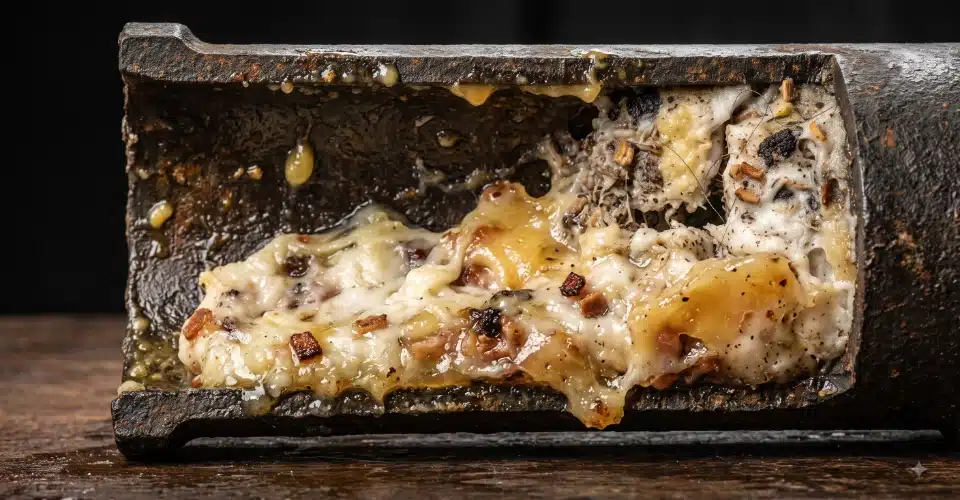
Pouring bacon grease down the kitchen sink may seem harmless, but it is one of the most common causes of residential drain clogs and long-term pipe damage. Instead of risking a costly backup, the most effective approach is to let the grease cool and solidify before disposing of it in the trash or repurposing it for future cooking. This simple, proactive habit is one of the best ways to protect your home’s plumbing infrastructure.
Key Takeaways
- Pouring bacon grease down the drain is one of the leading causes of residential clogs and municipal sewer blockages.
- Always let grease cool and solidify before disposal to prevent burns and container damage.
- Repurposing bacon grease for cooking is a practical, zero-waste option that many home cooks already use.
- Additionally, even small, repeated amounts of grease poured down drains accumulate over time inside your underground pipes.
- If grease has already entered your drain system regularly, a professional inspection may be warranted before serious damage occurs.
- Knowing how to dispose of bacon grease correctly protects both your household plumbing and the broader municipal sewer network.
Why Bacon Grease Is So Damaging to Your Drains and Plumbing
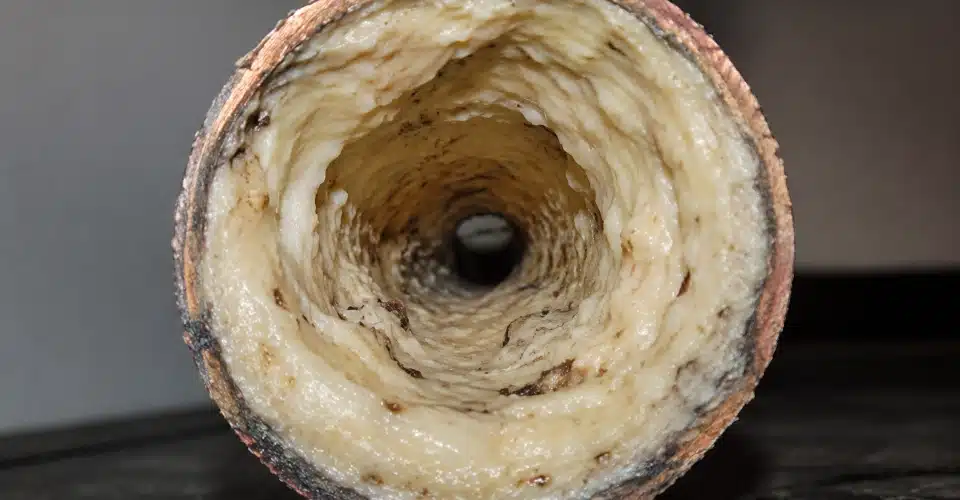
Most people understand that pouring grease down the drain is bad, but the actual mechanics of what happens inside your pipes explain why it causes such lasting damage. Bacon grease is a saturated fat. When it is hot, it flows freely as a liquid. However, the moment it cools, it congeals into a waxy, semi-solid substance that clings to pipe walls, narrows the internal diameter of the line, and traps food particles, soap residue, and other debris passing through.
According to the U.S. Environmental Protection Agency (EPA), fats, oils, and grease (commonly abbreviated as FOG) contribute to the estimated 23,000 to 75,000 sanitary sewer overflows (SSOs) that occur annually in the U.S., a figure that does not include sewage backups into buildings.
When residential FOG makes its way through household pipes and into the municipal sewer system, it combines with other waste to form what water utility workers call “fatbergs.” These are large, hardened blockages that cost cities hundreds of thousands of dollars to remove. New York City, for example, spends roughly $18.8 million per year dealing with grease-related sewer problems.
At the household level, the damage often starts quietly. A slow drain in the kitchen is frequently the first sign. Over months of repeated grease disposal down the sink, a homeowner may notice standing water, gurgling sounds from other drains, or a persistent odor. By the time those symptoms appear, the buildup is often significant. Therefore, early prevention is essential.
Key Methods for Safe Bacon Grease Disposal
Understanding how to dispose of bacon grease correctly comes down to a handful of reliable methods. Each has practical trade-offs worth knowing.
Let It Cool and Toss It Down the Trash
After cooking bacon, leave the grease in the pan or pour it into a heat-safe container, such as an old tin can or glass jar. Allow it to cool completely and solidify at room temperature, which typically takes 30 to 60 minutes depending on the volume.
Once solid, scoop or scrape it into your garbage bin. Seal the container or wrap it in newspaper before disposal to prevent leaks in the trash. Do not use plastic containers while the grease is still hot. Bacon grease can reach temperatures above 375°F during cooking and will warp or melt many standard plastic containers.
Repurpose Bacon Grease for Cooking
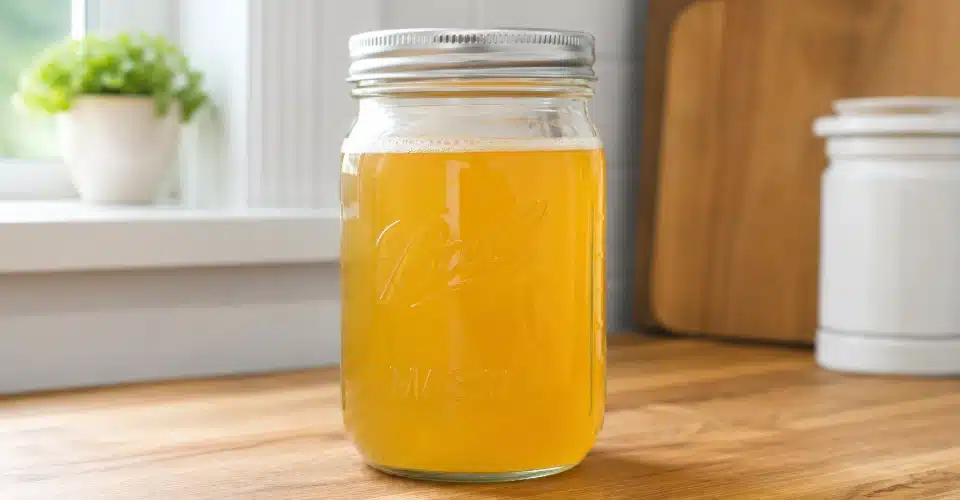
Rendered bacon fat has a smoke point of roughly 374°F, although the exact temperature can vary depending on how the fat was rendered and whether it contains food particles or impurities. Many home cooks store strained bacon grease in a sealed glass jar in the refrigerator, where it keeps for up to a month, or in the freezer for up to six months.
To strain out food particles that would accelerate spoilage, pour the warm (not hot) grease through a fine mesh strainer or cheesecloth before storing. This is a zero-waste approach and a legitimate culinary tradition, particularly in Southern cooking. Additionally, repurposing bacon grease for cooking eliminates the need for separate disposal methods.
Absorb It with Solid Waste Material
For smaller amounts of grease, absorbing it before disposal is effective. Paper towels, used paper bags, or leftover food scraps like coffee grounds can soak up residual grease still in the pan. Wipe the pan clean with the absorbent material and discard it all in the trash.
This eliminates the need for a separate container and handles the grease efficiently. Furthermore, this method requires minimal effort and produces no waste containers.
Composting Considerations for Bacon Grease
The USDA advises against composting meat fats in standard backyard compost bins because they attract rodents and pests, create odor problems, and can slow the composting process. Acceptable compost items include vegetable and fruit scraps, coffee grounds, eggshells, and moistened bread. Conversely, you should explicitly avoid adding meat, fish, dairy products, citrus fruits, twigs, and branches to your backyard compost.
What Happens When Grease Gets Into Your Underground Pipes
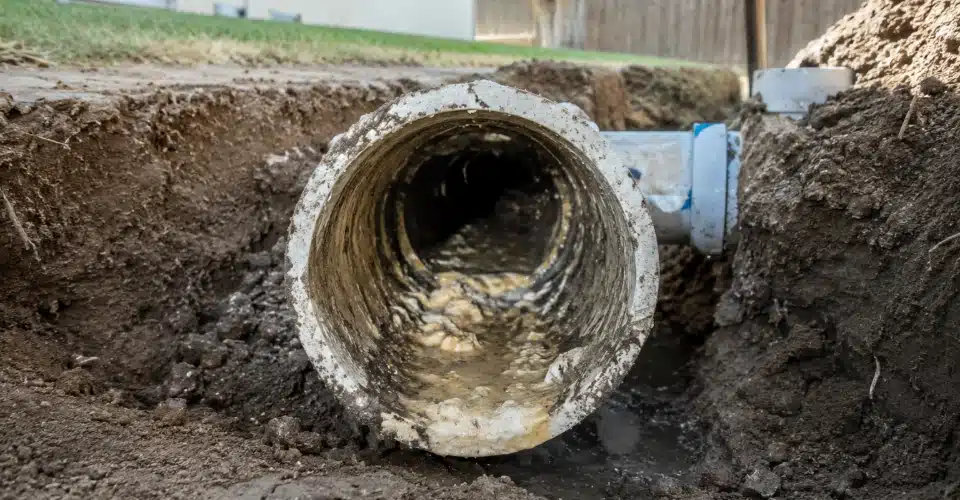
Most homeowners think about clogged drains as a kitchen problem, a blockage somewhere under the sink. However, when grease is repeatedly poured down drains over months or years, it migrates beyond the interior plumbing. It moves through the main drain line, through the wall of your home, and into the underground lateral pipe that connects your property to the municipal sewer main in the street.
Many homes in the Atlanta metro area and across the Southeast have older clay or cast iron lateral lines that have rough interior surfaces and joints where grease deposits grip easily. Understanding the underground plumbing pipe types in Alpharetta that run beneath your property helps clarify which materials are most susceptible and which inspection methods apply. When those deposits accumulate to the point of causing a blockage or structural compromise, the repair becomes significantly more complex than clearing an under-sink clog.
When issues arise in these underground lines, homeowners require specialized professional services that focus on exterior pipework, such as excavating or inspecting lateral lines extending from the building to the street. Because these repairs are complex and distinct from indoor fixture maintenance, addressing suspected grease-related damage in an outdoor lateral line requires professional guidance and proper equipment.
READ MORE: Underground Plumbing Pipe Types in Alpharetta
When Proper Disposal Comes Too Late: Signs of Grease Damage
Despite best practices, many households have years of improper disposal behind them before they learn about the problem. Here are the warning signs that grease has already caused meaningful damage in your drain or sewer system:
- Slow draining that affects multiple fixtures simultaneously
- Gurgling or bubbling sounds coming from drains when water is used elsewhere
- Sewage odors inside or outside the home
- Wet spots or unusually green patches in the yard above the sewer line path
- Recurring clogs that return even after clearing
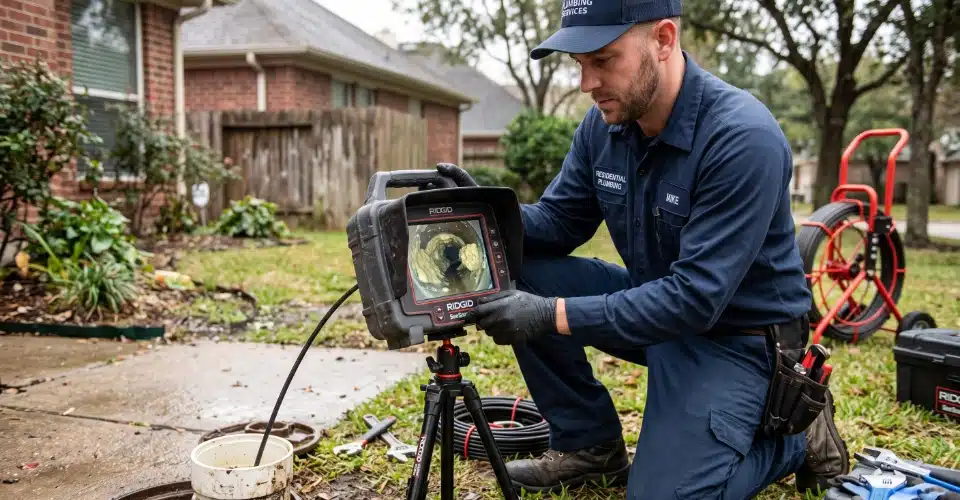
If these symptoms sound familiar, it may be worth having your plumbing line professionally inspected. A professional visit typically involves techniques such as camera inspections to identify the source of the blockage and hydro-jetting to clear it.
For more advanced damage, especially in the underground lateral line, the issue may require a more thorough diagnostic approach to determine the appropriate repair method based on pipe material and damage severity.
When choosing a contractor, look for licensed and insured professionals who specialize in drain and sewer services. Vetting providers for these credentials and checking their experience helps ensure the work is performed by qualified technicians.
Evaluating Safe Disposal Methods for Bacon Grease
| Method | Effectiveness | Cost | Effort Level | Best For |
|---|---|---|---|---|
| Cool and trash | High | $0 | Low | All households |
| Repurpose for cooking | High | $0 | Low-Medium | Regular bacon cooks |
| Absorb with paper/food scraps | Medium | $0 | Low | Small residual amounts |
| Backyard compost | Not recommended | $0 | Low | Not suitable for bacon grease |
| Pour down drain | None (harmful) | High (long-term) | Minimal | Never appropriate |
Frequently Asked Questions
Can I pour bacon grease down the drain if I use hot water and dish soap?
Hot water and dish soap do not prevent grease from accumulating in your pipes. The combination may temporarily emulsify the fat, giving the impression it is being washed away. However, the grease re-solidifies further down the line when the water cools. Over time, this contributes to the same buildup as pouring grease in without any water. Therefore, this method does not work.
How long does bacon grease last when stored in the refrigerator?
Strained bacon grease stored in a sealed glass jar typically keeps for about one month in the refrigerator and up to six months in the freezer. Unstrained grease with food particles has a shorter shelf life and is more prone to rancidity. Always use clean utensils when scooping from stored grease to avoid introducing bacteria.
Is it safe to pour bacon grease outside on the ground?
Pouring bacon grease on the ground is not recommended and is discouraged by most environmental authorities. It attracts wildlife and pests, can contaminate soil, and may run off into storm drains during rain. Pouring bacon grease onto the ground is inconsistent with EPA FOG management guidance, which emphasizes containing waste grease and preventing it from entering soil, storm drains, and waterways.
Does a garbage disposal help break down bacon grease?
No. Garbage disposals are designed for solid food scraps, not liquid fat. They do not emulsify or neutralize grease. The grease passes through the disposal in liquid form and behaves the same way it would if poured directly down the drain, cooling and solidifying inside the pipe. In fact, grease can damage disposal blades over time.
How often should I have my drains professionally inspected if I have poured grease down them in the past?
A professional camera inspection is worth scheduling if you have had years of grease disposal down your kitchen drain. An inspection can identify the extent of buildup before it becomes a full blockage or causes structural pipe damage. For kitchens with a history of grease-related clogs or FOG entering the plumbing system, periodic inspections can help identify buildup, blockages, or other developing issues before they lead to more serious sewer problems.
Protect Your Sewer Line Today
The most important takeaway is straightforward: grease and drains are incompatible, regardless of the method or product you use to flush it through. Whether you cool it and trash it or save it for cooking, keeping bacon grease out of your plumbing is the only genuinely protective approach.
If you are in the Alpharetta or North Atlanta area and have concerns about what years of kitchen grease may have done to your underground lateral line, Zippy Plumber specializes in exactly this type of exterior underground pipe work. Reach out to get a camera inspection scheduled. Understanding the actual condition of the pipe running from your home to the street prevents a slow drain from becoming a sewer backup.