
What’s In This Guide
- What Kind of Plumber Handles Underground Pipe Repairs Near Alpharetta?
- Why the Right Specialist Matters for the Property
- Signs You Need an Underground Plumbing Specialist
- How to Vet a Local Underground Plumber: A Step-By-Step Checklist
- What Should Happen During an Underground Plumbing Inspection?
- What Affects the Cost of Underground Plumbing Repair
- When to Call a Professional Right Away
- Frequently Asked Questions
- Ready to Find the Right Underground Plumbing Specialist Near Alpharetta?
Searching for a reliable plumber nearby often starts when a plumbing problem persists or keeps returning. A slow drain, a wet patch in the yard, or a sewage smell near the foundation sends most homeowners looking for the nearest available plumbing service, but general availability isn't the same as having the right qualifications.
Underground pipe problems involving buried sewer or water service lines outside the building require a different diagnostic and repair approach than fixing a leaky faucet or running toilet. Choosing a plumber based on proximity alone can mean paying for a diagnosis that misses the actual source of the problem.
Quick Facts
- Digging before the problem and line location are properly diagnosed can lead to unnecessary excavation. For sewer problems, a camera inspection may help document defects inside an accessible line before excavation begins.
- An underground plumbing specialist traces problems along buried sewer and water service lines outside the building before recommending repair.
- Trenchless methods can reduce disruption to driveways, lawns, and hardscaping when pipe conditions allow, but not every failure qualifies.
- Recurring backups, soggy yard patches, and a rising water bill can indicate a buried line problem, especially when symptoms affect multiple fixtures or appear outside the home.
- Georgia law requires a locate request through Georgia 811 before mechanized excavation. Qualifying emergency excavation follows separate notification rules. For nonemergency work, Georgia 811 instructs excavators to submit the request at least three business days before digging.
What Kind of Plumber Handles Underground Pipe Repairs Near Alpharetta?
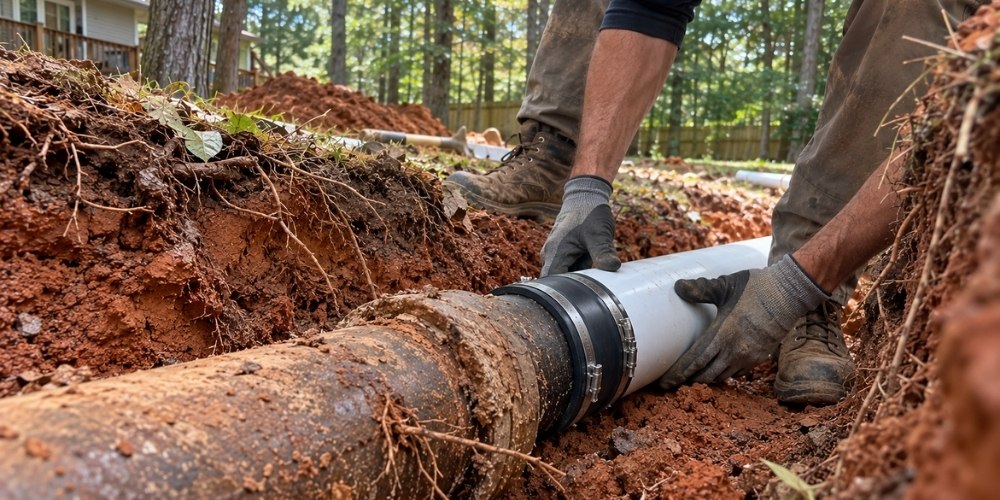
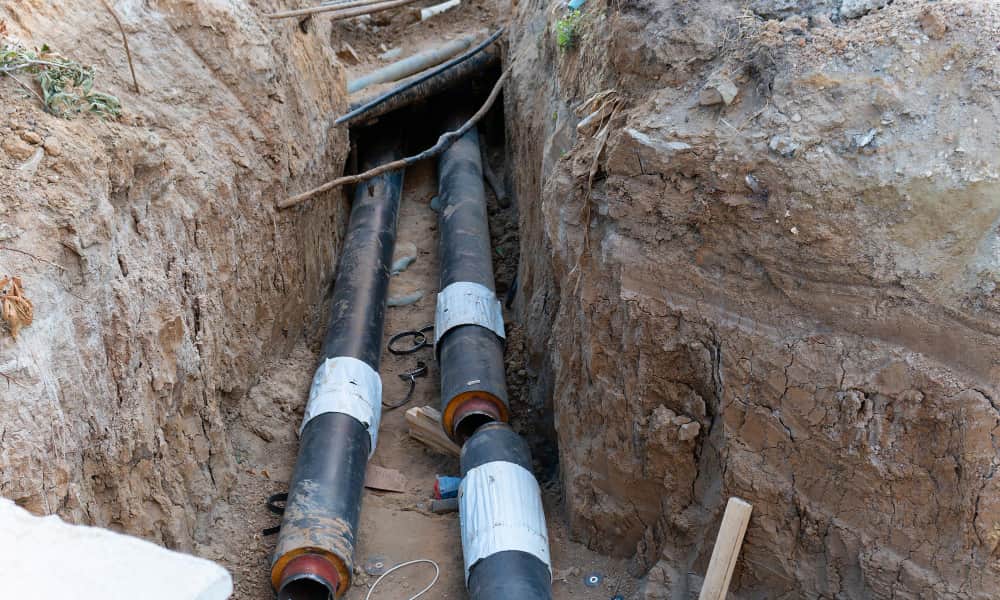
Underground pipe repair often calls for a contractor experienced in sewer line diagnostics, water line replacement, local sewer repair, and trenchless repair, rather than one whose work is limited mainly to indoor fixtures. Depending on the problem, an underground plumbing specialist may use sewer camera inspection, line locating, pressure testing, leak detection, or other diagnostic methods before recommending a repair method suited to the site.
A general handyman or indoor-focused plumber may be capable of fixing a toilet or unclogging a sink, but exterior line work can involve excavation planning, utility coordination, and buried pipe materials such as cast iron, clay, or PVC. For these problems, homeowners in Alpharetta and the broader North Atlanta area should look for a contractor with specific experience diagnosing and repairing underground sewer and water lines.
Why the Right Specialist Matters for the Property
Digging in the wrong spot, misdiagnosing a pipe failure, or skipping appropriate diagnostic steps can turn a contained repair into a more extensive one. It can also damage landscaping, driveways, or other parts of the property that did not need to be disturbed.
Underground plumbing work sits at the intersection of two risks: getting the diagnosis wrong and getting the digging wrong. A specialist who inspects before recommending repair reduces both.
Georgia law requires a locate request through Georgia 811 before mechanized excavation, with separate notification rules for qualifying emergency work. For nonemergency excavation, the request should be submitted at least three business days before digging. Building this step into the project helps reduce the risk of utility strikes, service interruptions, and repair delays.
Property protection extends beyond safety. Repeated open-cut digging across a yard, especially without documented findings, can leave behind uneven grading, damaged root systems, and additional restoration costs.
Signs You Need an Underground Plumbing Specialist
Some warning signs point toward the buried line rather than an indoor fixture. Recognizing these early can help prevent a small problem from becoming a larger one.
Recurring Sewer Backups
A backup that clears temporarily after plunging or snaking but returns within weeks often means the blockage or damage sits further down the line, not at the fixture.
Slow Drains in Multiple Rooms at Once
One slow drain may indicate a localized issue. Several slow drains across the house at the same time can indicate a problem with the main line.
Wet Spots or Soft Patches in the Yard
Standing water, unusually green grass in one area, or a soft, spongy patch near the sewer or water line route can indicate a leak below the surface.
Sewage Odor Near the Foundation or Yard
A persistent sewage smell outside, rather than near a specific indoor fixture, can indicate a cracked, offset, or otherwise damaged sewer line.
Unexplained Increases in the Water Bill
EPA WaterSense has reported that water leaks can cause the average American home to waste more than 10,000 gallons of water annually, roughly the amount needed to wash 270 loads of laundry. A sudden bill spike with no change in household water use can indicate a leak somewhere in the plumbing system, including a buried water service line.
Tree Root Intrusion Near Older Pipe Runs
Older clay or cast iron pipe is more vulnerable to root intrusion at joints, which can cause slow drainage that worsens over months.
How to Vet a Local Underground Plumber: A Step-By-Step Checklist
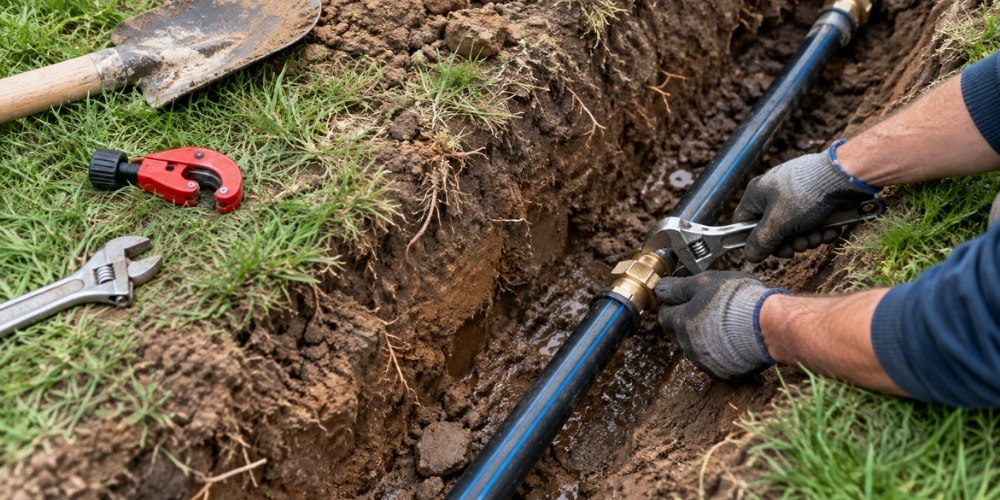
Finding the right contractor takes a few direct questions before any digging starts. This checklist helps homeowners compare options without guessing.
Ask Whether Diagnostic Testing Happens Before Repair Is Recommended
For sewer problems, diagnostic testing may include a camera inspection. Water-line problems may require leak detection, pressure testing, or other appropriate methods. Diagnosing the problem before recommending repair helps reduce the risk of unnecessary digging.
Confirm the Scope Is Exterior, Underground Work
Some plumbers only handle indoor fixtures. Make sure the contractor specializes in exterior buried sewer and water service lines.
Ask About Trenchless Repair Options
Trenchless methods aren’t right for every situation, but a specialist should be able to explain when they apply and when open-cut digging is necessary.
Confirm the Utility Locate Is Part of the Process
This should be a firm step, not an afterthought, on any job involving digging.
Ask About Experience With the Pipe Material in Your Home
Cast iron, clay, and PVC each fail differently and call for different repair approaches.
Request Documentation of Findings
Video footage, measurements, and written notes give homeowners a clear record of what was found and why a particular repair is being recommended.
What Should Happen During an Underground Plumbing Inspection?
A thorough underground plumbing inspection should identify the likely location of the problem, the apparent cause, and the extent of the affected line as far as the available diagnostic methods allow before repair work begins. Homeowners should come away with documented findings and a clear explanation of why a particular repair is recommended, not only a general recommendation to start digging.
Depending on the problem, the inspection may include:
- Reviewing the symptoms. The plumber should ask about recurring backups, low water pressure, wet areas in the yard, unusual odors, and previous repairs.
- Locating the affected line. Identifying the route of the sewer or water line helps narrow down where additional testing is needed.
- Performing a camera inspection when appropriate. Sewer cameras can reveal root intrusion, cracks, offsets, buildup, and collapsed sections inside accessible drain and sewer lines.
- Confirming the location and extent of damage. A localized failure may require a different repair strategy than deterioration affecting a long section of pipe.
- Evaluating site access. Driveways, landscaping, retaining walls, utilities, and other obstacles can influence whether traditional excavation or a trenchless approach is practical.
- Documenting the findings. Photos, video footage, measurements, and written notes give homeowners a clearer basis for evaluating the recommended repair.
The goal is to separate diagnosis from repair. A contractor should be able to explain what was found, where the problem is located, and why the recommended repair method fits the condition of the pipe and the property.
What Affects the Cost of Underground Plumbing Repair
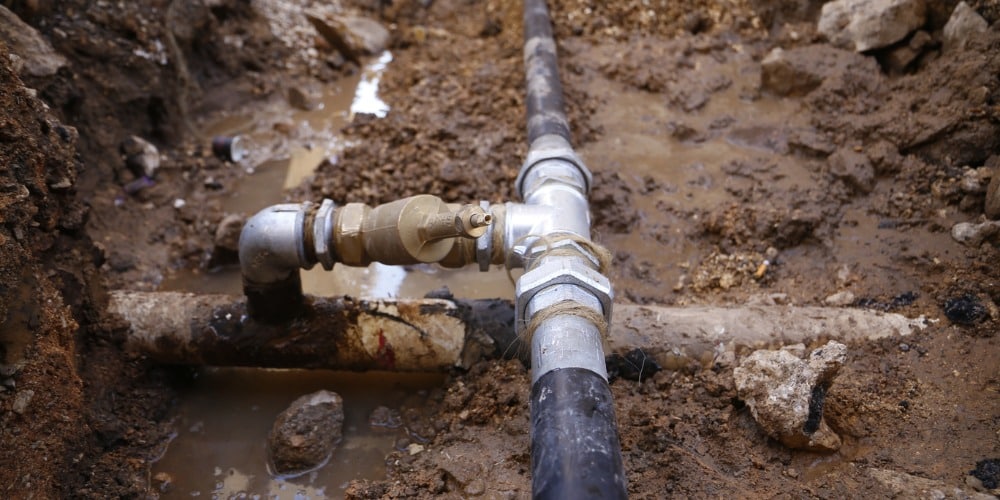
Underground repair costs vary widely because every yard, pipe run, and failure point is different. Instead of a fixed number, it helps to understand the factors that shape an estimate.
- Scope of the repair. A spot repair and a full line replacement involve different amounts of labor, materials, and excavation.
- Site conditions. Soil type, slope, and existing landscaping can affect access and labor.
- Pipe material and depth. Cast iron, clay, and PVC each require different tools and techniques, and deeper lines take more time to reach.
- Repair method. Trenchless approaches can reduce surface restoration costs but aren’t available for every type of damage.
- Accessibility. Pipe runs beneath driveways, patios, or mature trees typically require more planning than an open, unobstructed yard.
- Permitting and utility coordination. Time spent on locates and any required permits can factor into the overall timeline.
Because every property and repair scope is different, the only way to get an accurate number is a site-specific inspection and estimate.
When to Call a Professional Right Away
Some situations don’t leave room to wait for a scheduled inspection. A sewage backup inside the home, standing sewage in the yard, a sudden loss of water pressure throughout the house, or signs of a slab leak should prompt a call to an underground plumbing specialist as soon as possible.
These situations often involve health and safety concerns, not just property damage, and should be evaluated by a qualified professional rather than addressed with a temporary fix.
Frequently Asked Questions
Do I need a permit for sewer or water line repair in Alpharetta?
Permit requirements depend on the type and scope of work being performed. Repairs involving sewer connections, water service lines, excavation, or work within a public right-of-way may have different local requirements. A qualified contractor should confirm applicable permits before construction begins.
Will insurance cover underground pipe repair?
Coverage depends on the homeowner’s policy, the cause of the damage, and any exclusions or endorsements that apply to buried utility lines. Homeowners should review their policy and confirm coverage directly with their insurance provider before relying on reimbursement.
Can an underground plumbing problem affect only part of the house?
Yes. Some buried-line problems initially affect fixtures closest to the damaged section or branch connection, while larger main-line problems may cause symptoms throughout the home. A professional inspection can help determine whether the issue is isolated or part of the main sewer or water line.
Can underground pipes be repaired without replacing the entire line?
Sometimes. A localized crack, damaged joint, or short failed section may qualify for a targeted repair, while widespread corrosion, collapse, or repeated failures may justify replacing a larger section or the full line. The condition of the pipe should be confirmed before choosing a repair approach.
Should I get a second opinion before approving major underground plumbing work?
It can be worthwhile when the proposed work involves extensive excavation, full line replacement, or a significant investment. Having documented camera footage, measurements, and a written diagnosis makes it easier to compare recommendations from another qualified contractor.
Ready to Find the Right Underground Plumbing Specialist Near Alpharetta?
Zippy Plumber specializes in underground plumbing, including sewer line repair and underground water line repair and replacement, for homeowners, property managers, and businesses across Alpharetta and North Atlanta.
Contact Zippy Plumber today to schedule your inspection.