
What’s in This Guide
- Hydro Jetting vs. Snaking: What Each Method Actually Does
- Which Drain Clearing Method Fits Your Situation?
- What Causes Recurring Clogs: Grease, Scale, and Root Intrusion
- How a Professional Diagnoses and Clears a Stubborn Drain
- When to Call a Professional Instead of Trying DIY Fixes
- Frequently Asked Questions
- Clear a Stubborn Drain With Confidence
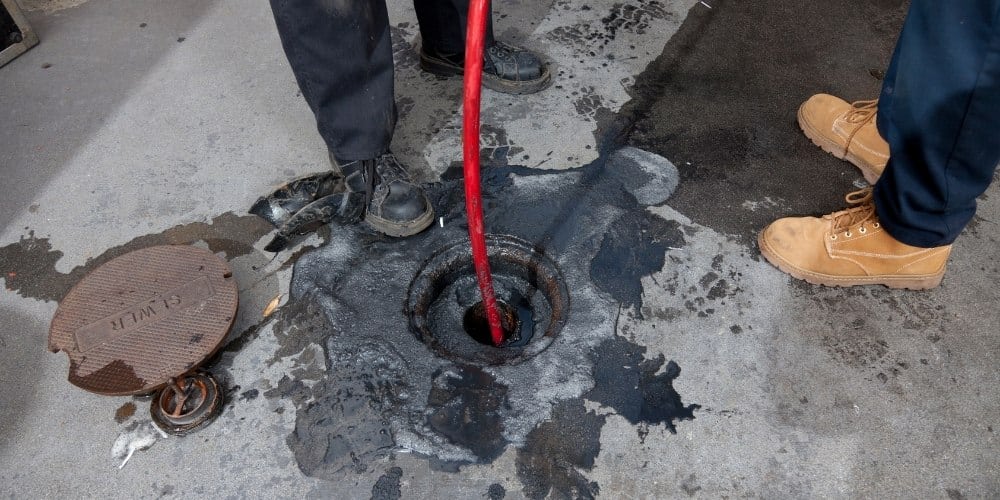
A drain that clears for a few days and then slows down again is not fixed. It is delayed. Homeowners searching for drain clearing services near them may be dealing with grease coating the pipe wall, scale buildup in an older line, tree roots working through a cracked joint, or other conditions affecting the drain. A drain snake can punch a hole through the blockage and restore flow for a while. High-pressure water jetting works differently.
It can clean a broader section of the pipe interior instead of only opening a path through the blockage. Choosing a method based on the pipe’s condition and the cause of the clog may reduce the likelihood of an incomplete clearing or unnecessary damage.
Quick Facts
- Snaking clears isolated blockages; hydro jetting scours grease and scale and may address some root buildup when pipe conditions allow.
- A clog that returns within a few weeks may indicate remaining buildup, root intrusion, pipe damage, or another unresolved problem.
- Grease buildup and tree root intrusion are common contributors to recurring sewer line blockages.
- Camera inspection can help identify the pipe material, visible condition, and blockage location before a clearing method is selected.
- Older cast iron or clay pipes need full inspection before hydro jetting.
Hydro Jetting vs. Snaking: What Each Method Actually Does
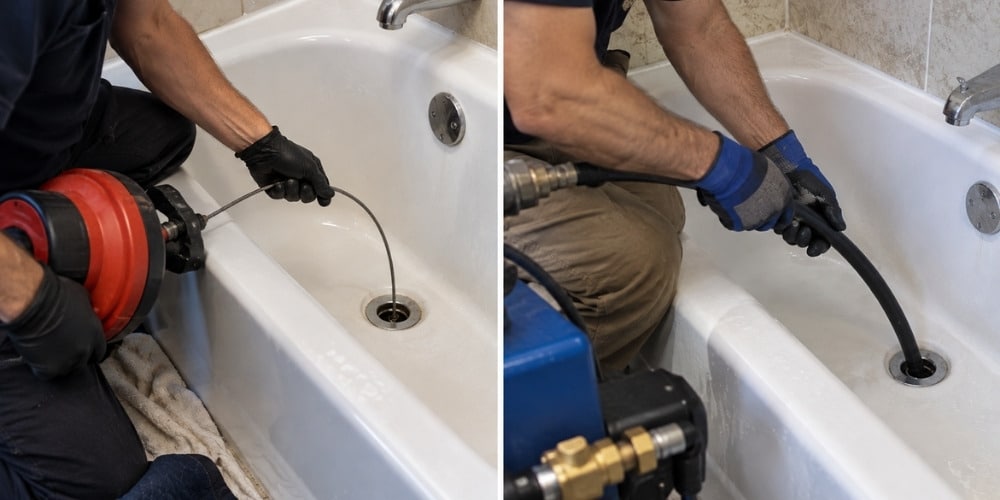
Both methods clear a drain, but they work in different ways and solve different kinds of problems.
How a Drain Snake Clears a Blockage
A drain snake, also called a cable machine, feeds a rotating metal cable through the pipe until it reaches the blockage. The cable head breaks apart the clog or hooks it and pulls it back out, opening a path for water to flow again.
How Hydro Jetting Clears a Pipe
Hydro jetting uses a specialized nozzle to send high-pressure water through the entire length of the pipe. Instead of breaking through the center of a clog, the water strips grease and scale from the pipe wall and may address some root buildup when the pipe condition and equipment allow it.
Which Drain Clearing Method Fits Your Situation?
The table below breaks down common drain problems and the method that typically addresses each one.
|
Situation |
Likely Method |
Why |
|
Single slow drain from hair or soap buildup |
Snaking |
Clears an isolated blockage quickly with minimal disruption |
|
Clog that returns within weeks of snaking |
Hydro jetting |
Removes the coating a cable only punches through |
|
Grease buildup in a kitchen line |
Hydro jetting |
Strips grease from the pipe wall instead of cutting a path through it |
|
Tree root intrusion in the main sewer line |
Camera inspection followed by appropriate root removal or pipe repair |
The correct approach depends on the root growth, pipe condition, and location of the opening |
|
Older cast iron or clay pipe with heavy scale |
Camera inspection, then hydro jetting if the pipe allows it |
Helps assess visible pipe condition before hydro jetting is considered |
|
One-time object or minor blockage |
Snaking |
Often suitable for reaching and clearing a single, isolated obstruction |
What Causes Recurring Clogs: Grease, Scale, and Root Intrusion
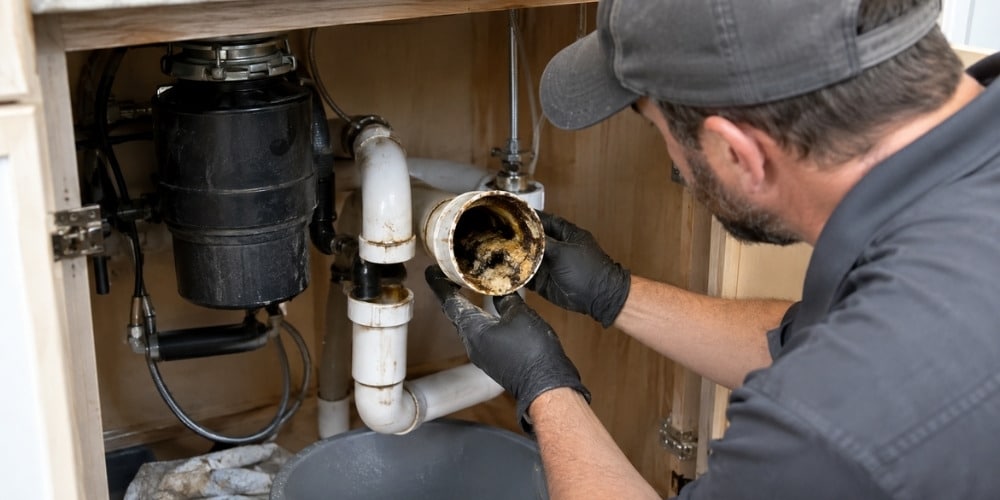
Grease, mineral scale, and tree root intrusion are common causes of recurring drain and sewer line clogs. Each develops differently, but all three can narrow the pipe until a clearing method is needed.
Grease Buildup from Kitchen Drains
Grease poured down a kitchen sink cools and hardens inside the pipe instead of staying liquid. National data shows grease is the most common cause of reported sewer blockages nationwide, according to EPA pretreatment guidance, and even small amounts add up over months of normal cooking and cleanup.
Mineral Scale in Older Pipe
Mineral scale builds up inside older cast iron and clay pipe as water moves through it for decades. That buildup narrows the interior of the pipe much like plaque narrows an artery, slowing flow well before a full blockage forms.
Tree Root Intrusion Through Pipe Joints
Tree roots enter through hairline cracks and loose joints, drawn in by the moisture and nutrients inside a sewer line. Research from the U.S. Forest Service links root intrusion to more than half of sewer blockages in aging pipe systems, and once roots take hold, they keep growing and expanding the opening they came through.
How a Professional Diagnoses and Clears a Stubborn Drain
A camera inspection may be recommended before a drain clearing method is chosen, particularly for recurring clogs, sewer line issues, or older pipes. Drain clearing services near you often use camera inspections to help identify the blockage location and visible pipe condition before selecting a clearing method.
Locating the Blockage with a Camera Inspection
A video camera moves through the line to locate and document the blockage, along with the pipe material and any visible signs of deterioration. This footage helps determine whether hydro jetting, snaking, another clearing method, or pipe repair may be appropriate, although it cannot confirm the pipe's overall structural integrity.
Choosing Between a Drain Snake and Hydro Jetting
Camera findings help determine whether a drain snake, high-pressure water jetting, another clearing method, or pipe repair may be appropriate. Older cast iron or clay pipe in poor condition may not tolerate hydro jetting as well as sound PVC, so the visible condition of the line should be evaluated first.
Clearing the Blockage and the Pipe Wall
The selected method removes the blockage and, with hydro jetting, strips grease and scale from the pipe wall and may address some root growth when conditions allow. A drain snake alone only opens a path through the clog rather than cleaning the surrounding pipe.
Confirming the Repair with a Follow-Up Camera Check
A follow-up camera pass can document whether visible debris remains and whether new damage is apparent after clearing. It also provides a record of the accessible portion of the line, although it cannot guarantee that another clog will not develop.
When to Call a Professional Instead of Trying DIY Fixes
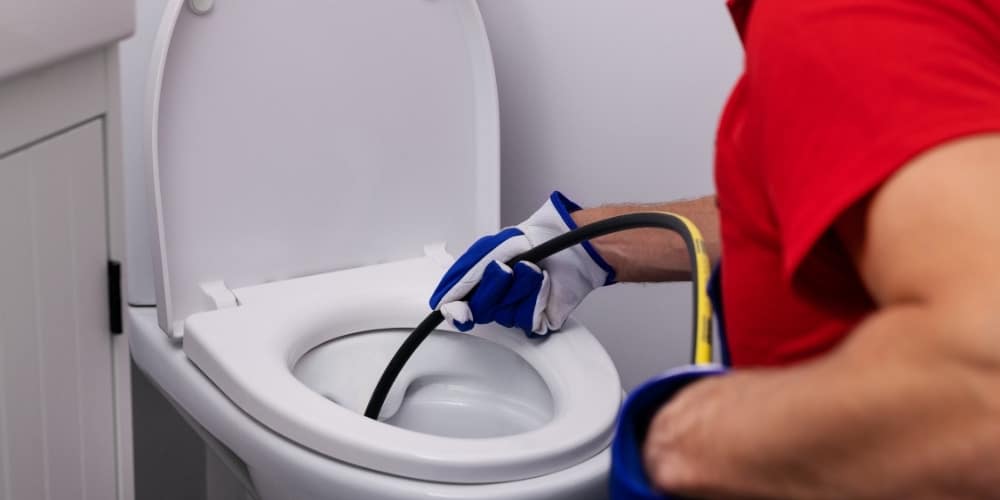
A plunger may clear some simple clogs, but rented drain-cleaning equipment can damage fixtures or pipes when used incorrectly. Recurring clogs, multiple affected fixtures, sewage odors, outdoor pooling, or suspected sewer line damage warrant professional evaluation.
When a Cleared Drain Clogs Again Within a Few Weeks
A fast return usually means the clearing method didn't remove everything causing the blockage. Grease, scale, or root growth left behind on the pipe wall can rebuild quickly and bring the same clog back.
When Multiple Fixtures Back Up at the Same Time
Backups across more than one drain usually point to a larger, shared line problem rather than an issue with a single fixture. This pattern may mean the blockage is farther along the line, closer to the main sewer connection.
When Sewage Odor Shows Up Indoors or in the Yard
A persistent sewage odor may indicate a dry trap, venting problem, damaged seal, blockage, or sewer line issue. Because several conditions can cause similar odors, the source should be identified before a clearing or repair method is selected.
When Water Pools in the Yard Near the Sewer Line
Standing water in this area is worth having checked before it turns into a bigger repair. It can point to a leak, a break, or a blockage pushing wastewater toward the surface instead of through the pipe.
When a Previous Snaking Service Didn’t Hold
A quick repeat clog after snaking often means the underlying buildup, not just the blockage, was never addressed. Snaking clears a path through a clog, but it does not remove grease or scale coating the rest of the pipe.
When a Store-Bought Chemical Cleaner Has Already Been Tried
These products can be hard on older pipes, especially cast iron or clay lines that have already started to weaken. Extension research notes that caustic drain cleaners can damage aging pipe joints, creating new entry points for roots.
Frequently Asked Questions
What is the difference between drain snaking and hydro jetting?
Snaking uses a rotating cable to break apart or pull out a blockage. Hydro jetting uses high-pressure water to strip grease and scale from the pipe wall and may address some root growth when pipe conditions allow.
Can hydro jetting damage old pipes?
Hydro jetting is generally safe for sound PVC and well-maintained cast iron pipe. Pipe in poor condition should be evaluated by camera inspection first, since the pressure involved may worsen existing cracks or weak joints.
How do I know if I need hydro jetting instead of snaking?
A clog that returns within weeks of snaking, grease buildup, or confirmed root intrusion may indicate that a more thorough clearing method is needed. A camera inspection should be used to evaluate the pipe before determining whether hydro jetting, root removal, or pipe repair is appropriate.
Is hydro jetting safe for cast iron or clay pipe?
It depends on the pipe’s current condition. A camera inspection can reveal visible cracks, corrosion, separated joints, and other deterioration that may affect whether hydro jetting is appropriate, but it cannot guarantee the pipe’s structural strength.
How often should a sewer line be professionally cleaned?
Frequency depends on pipe age, material, nearby trees, previous blockages, and household or business usage. An inspection can help determine whether preventive cleaning is appropriate for a specific line.
Clear a Stubborn Drain With Confidence
The right drain cleaning solution starts with identifying the cause of the blockage. Zippy Plumber helps homeowners, HOAs, and commercial property owners across Alpharetta and the North Atlanta area resolve drain and sewer line issues with camera inspections and targeted clearing methods.
From video inspections and hydro jetting to drain snaking, the team selects the appropriate approach based on the pipe material and the condition of the line.
Contact us to schedule a drain inspection and request an estimate.