
Quick Facts
- The buried water line from the meter to your home is the homeowner’s responsibility, not the city’s.
- Wet yard spots, low pressure, discolored water, and an unexplained bill spike are the most common warning signs.
- A simple two-hour meter test confirms whether water is leaking on your side of the meter.
- Pipe material, depth, and surface conditions determine whether a trenchless or open-cut repair fits.
- Acting early keeps repairs small and protects your foundation, driveway, and landscaping.
What’s In This Guide
- Warning Signs Your Buried Water Line Needs Underground Water Line Repair
- How to Check for a Buried Water Line Leak
- What Shapes the Repair Plan
- Water Line Repair / Replace: What’s the Best Water Line Solution
- Why Acting Quickly Protects Your Property
- Frequently Asked Questions
- Get Your Alpharetta Water Line Inspected Before It Worsens
A patch of lawn that stays soggy in dry weather.
A water bill that climbs for no clear reason.
A shower that suddenly lost its pressure.
These are the kinds of small clues that send Alpharetta homeowners searching for answers, and they often point to the same hidden culprit: the buried water line running from the street to the house.
That pipe is easy to forget because you never see it. It is also, in most cases, your responsibility to maintain, not the city’s. When it starts to fail underground, the warning signs show up above ground first.
Here’s a guide on how to read those signs, what shapes the repair plan, and when a slow leak becomes a problem that needs fast action.
Warning Signs Your Buried Water Line Needs Underground Water Line Repair
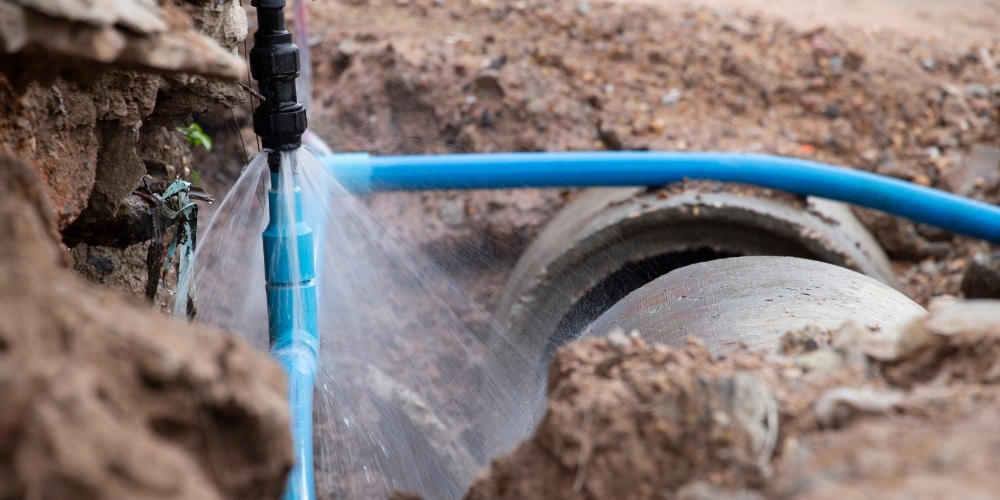
Underground leaks announce themselves in patterns. Here is where to look.
Clues in the Yard
- A wet, muddy, or unusually green strip of lawn that never dries out, often tracing the path of the pipe
- Soft spots, small sinkholes, or sunken areas in the grass, driveway, or walkway
- The sound of running water underground when every fixture in the house is off
- Pooling water near the foundation or street side with no rain to explain it
Clues on Your Water Bill
A sudden jump in your bill with no change in how much water you use is one of the most reliable signals. The U.S. Environmental Protection Agency notes that household leaks waste close to 1 trillion gallons of water nationwide each year, and the average home loses roughly 9,300 gallons annually to leaks alone.
Clues Inside the Home
- A drop in water pressure across several fixtures at once, not just one faucet
- Cloudy or discolored water, or a change in taste or smell
- Sputtering or air spitting from taps when you turn them on
Clues at the Meter
- The meter dial is moving while no water is being used anywhere
- A meter box that is wet, flooded, or holding standing water
How to Check for a Buried Water Line Leak
Before calling anyone to repair the underground water line, you can confirm whether water is escaping on your side of the meter.
Step 1: Turn Everything Off
Shut down every water-using fixture and appliance inside and outside the home. That includes faucets, toilets, the dishwasher, the washing machine, ice makers, and any irrigation or sprinkler system. Even one appliance cycling in the background will skew the test, so the goal is a household using zero water.
Step 2: Read the Meter
Locate your water meter, usually in a covered box near the curb or property line. Lift the lid and write down the exact reading, including the small sweep dial if your meter has one, since this can help identify possible issues that may require water line repair in Atlanta.
Step 3: Wait One to Two Hours
Leave the house with no water running for one to two hours. Do not flush a toilet, run a tap, or let any appliance cycle during this window. The longer and stricter the wait, the clearer the result.
Step 4: Read the Meter Again
Check the meter a second time and compare it to your baseline. If the numbers moved at all while no water was used, water is leaving the system somewhere on your property.
Step 5: Isolate the Line
Close the home’s main shutoff valve, then watch the meter once more. If it keeps moving with the house valve shut, the leak is not inside the home. It is in the buried service line running between the meter and the house.
Document what you find. Photograph the meter readings, note any wet spots, and keep a copy of the spiked bill. That record speeds up the next step, because confirming a leak exists is not the same as pinpointing exactly where it is and why it happened.
What Shapes the Repair Plan
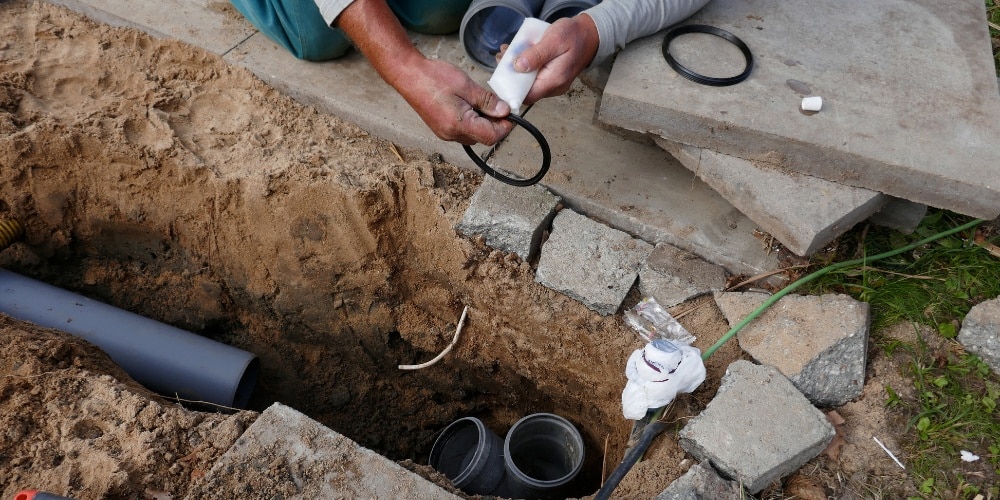
No two underground water line repairs look identical. A few factors decide the approach.
Pinpointing the Problem First
Professional diagnosis starts with locating the exact failure before any digging begins. Electronic leak detection and a camera inspection identify the break point and the pipe’s condition, so the work targets the actual problem instead of trenching the whole yard on a guess. Findings get documented with video and measurements, which also informs whether a spot fix or a full replacement makes more sense.
Pipe Material and Age
A single crack in otherwise sound PVC is a different job than a corroded galvanized line nearing the end of its service life. Root intrusion, ground shift, and decades of internal corrosion each call for a different fix.
Depth and What Sits on Top
A line running under an open lawn is usually easier to reach. The process of repairing an underground water line beneath a paved driveway, mature landscaping, or a concrete slab is often more involved, and the surface above the pipe usually shapes how the repair is staged.
Trenchless Versus Open-Cut
Trenchless methods replace or reline a damaged pipe through small access points rather than digging a continuous trench across the property. Where ground conditions allow, this protects driveways, hardscape, and established landscaping.
Water Line Repair / Replace: What’s the Best Water Line Solution
Once the leak is located and the pipe condition is documented, the water line repair or replacement decision becomes an evidence-based one rather than a guess.
|
Factor |
Repair |
Replacement |
|
Extent of damage |
Single, localized break |
Multiple failures along the run |
|
Pipe age and material |
Sound pipe, isolated issue |
Aging galvanized or polybutylene at the end of life |
|
Failure history |
First leak on the line |
Repeat leaks in the same pipe |
|
Cost logic over time |
A spot fix solves it |
Patching keeps failing |
ALSO READ:
Sewer Line Repair vs Replacement in Alpharetta: How to Decide
Why Acting Quickly Protects Your Property
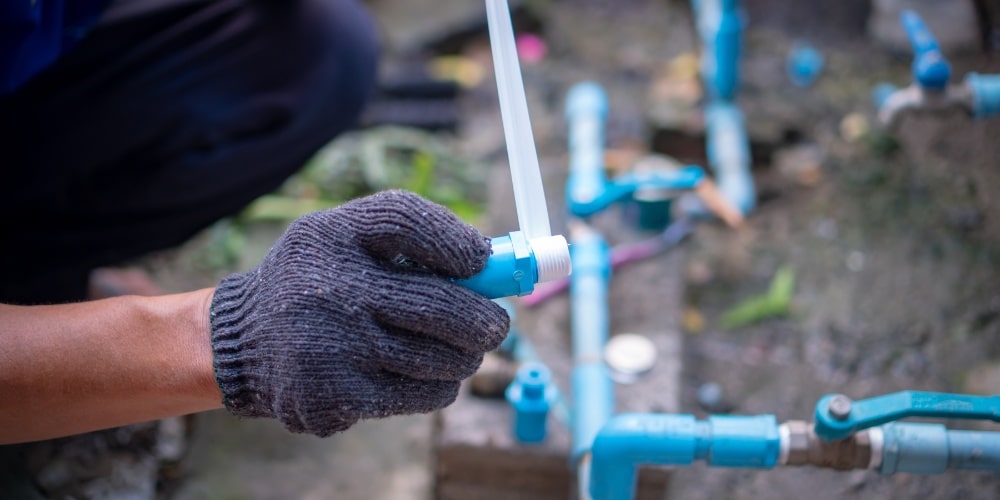
A slow underground leak rarely stays slow, and the longer it runs, the wider the damage spreads. Experts estimate that a water main breaks somewhere in the country about every two minutes, and Alpharetta’s clay-heavy soil adds stress that accelerates wear on aging service lines.
Prevents Further Property Damage
Water escaping from a buried line saturates the surrounding ground and migrates toward driveways, walkways, and the foundation. Addressing the failure early keeps a contained problem from spreading across the yard.
Reduces Repair Costs Over Time
A small, localized break is far simpler to fix than a line that has flooded the soil for months. Acting promptly often keeps the work in repair territory rather than tipping the decision toward a full replacement.
Protects Structural Integrity
Persistent moisture under a slab or footing softens the soil that supports your home. Stopping the leak quickly preserves the stable ground that structural integrity depends on.
Helps Avoid Mold and Moisture Issues
Constant dampness from an underground leak creates the conditions mold and mildew need to take hold. Fixing the source removes the moisture problem before it reaches crawl spaces or interior walls.
Maintains Property Value
Standing water, sinking pavement, and a history of moisture damage all drag down what a home is worth. A sound, documented water line protects both the property and its resale appeal.
Minimizes Safety Risks
Saturated ground can erode beneath driveways and walkways, creating trip hazards and unstable surfaces. Prompt repair removes these risks before someone is hurt or a surface collapses.
Frequently Asked Questions
Who is responsible for the water line from the meter to the house?
In most cases, the homeowner. The utility maintains the main in the street, while the buried service line on your side of the meter is your responsibility to repair and replace.
Can a buried water line be repaired without digging up the whole yard?
Often, yes. Trenchless methods replace or reline the pipe through small access points where ground conditions allow, which protects driveways and landscaping. A camera inspection determines whether that approach is possible.
How do I know if it is my water line or my sewer line?
Water line problems show up as clean water clues: wet spots, low pressure, and bill spikes. Sewer line problems usually involve backups, slow drains, and odors. Both are underground service lines that a camera inspection can diagnose.
Is a small underground leak worth fixing right away?
Yes. Even a small underground leak can lead to larger property issues over time if left unaddressed. Early repairs are usually simpler and less expensive than waiting for the damage to spread.
How is an underground water line leak located before digging?
Through electronic leak detection paired with a camera inspection. These tools pinpoint the failure and document the pipe’s condition, so the repair targets the exact spot rather than trenching across the property.
Get Your Alpharetta Water Line Inspected Before It Worsens
Knowing the warning signs is the first step. Confirming the problem with a camera-first inspection is what turns guesswork into a clear, documented repair or replacement plan.
If your yard, your water pressure, or your bill is telling you something is wrong underground, our team at Zippy Plumber can locate the issue, show you the findings on video, and recommend trenchless options that protect your property wherever possible.
Contact us to schedule an inspection for an underground water line repair in Atlanta or request an estimate.