Underground Water Line Repair in East Cobb, GA

A leaking underground water line can quickly turn into soggy soil, low water pressure, rising water bills, and costly property damage. Zippy Plumber provides underground water line repair in East Cobb, GA, helping homeowners locate hidden leaks, repair damaged buried pipes, and restore reliable water service with as little disruption as possible.

Whether you are dealing with an underground water leak, a broken main water line, or need help repairing an underground water line before the problem spreads, our team uses accurate diagnostics and practical repair options to get your plumbing system back on track.

Underground plumbing specialists | Licensed and insured | Leak detection available | Trenchless repair options | 500+ jobs completed | 4.9-star Google rating | Serving East Cobb and North Atlanta

Speak With a Water Line & Sewer Specialist

Submit our online form to request an underground plumbing assessment.

What a Failing Water Line Looks Like From the Surface

Underground water line failures in East Cobb rarely announce themselves with a sudden burst. Instead, symptoms often develop gradually over several weeks, appearing as indirect changes to your property or plumbing performance before the problem becomes undeniable.

  • Soft, wet ground that keeps returning to the same spot after dry weather
  • Water pressure dropping at multiple fixtures throughout the home at the same time
  • A water bill that rises without any explanation in usage
  • Rusty, discolored, or sputtering water coming from taps
  • Standing water near the foundation perimeter, meter box, or driveway edge
  • The water meter showing movement when every fixture in the house is confirmed off
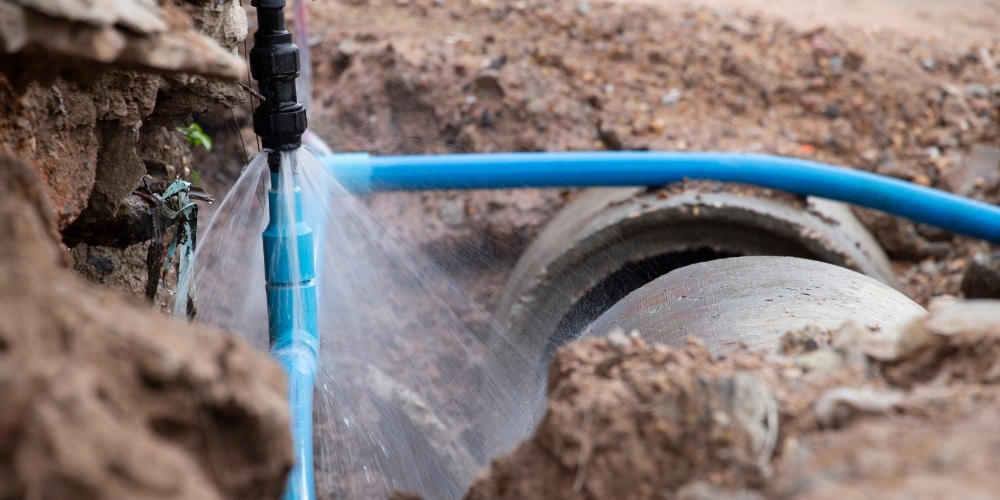
significant leak in a main water line
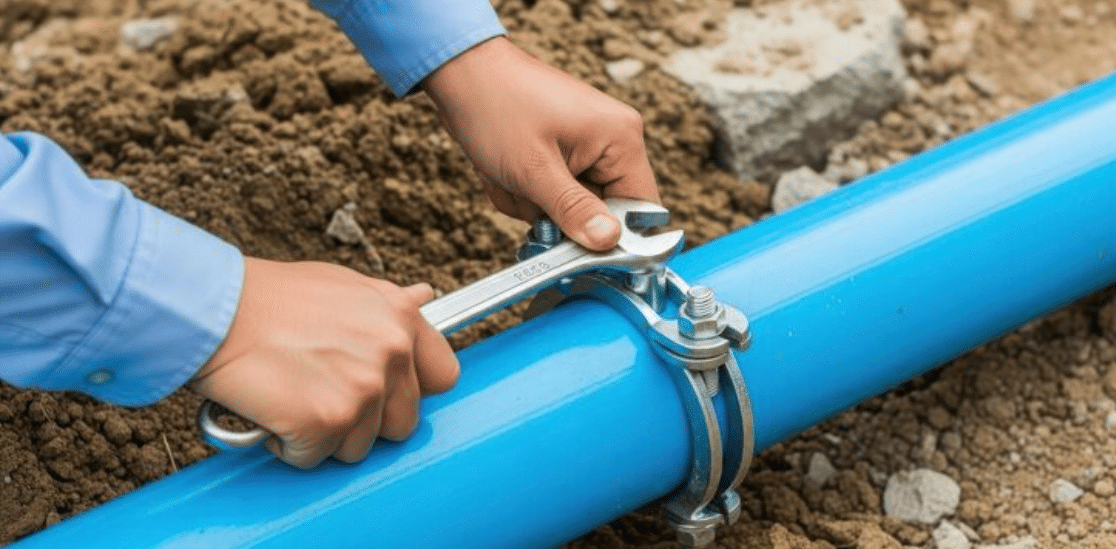
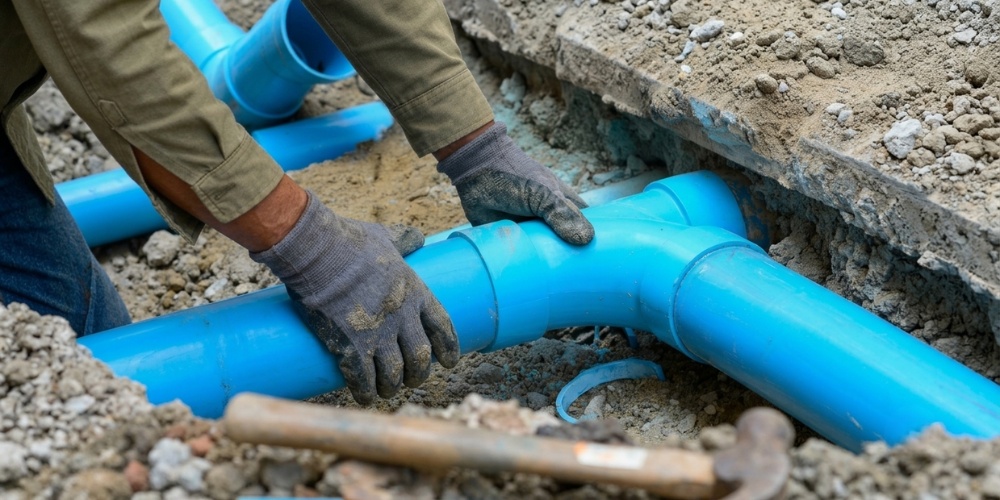
Bright blue industrial water pipes
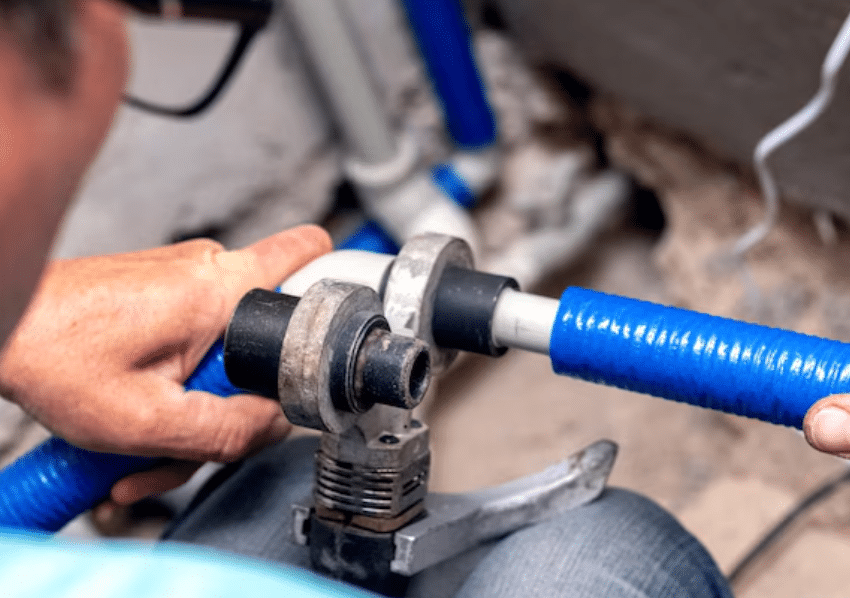
A plumber fitting PVC drainage pipes together in an excavated dirt trench

Why Underground Water Lines Fail in East Cobb, GA

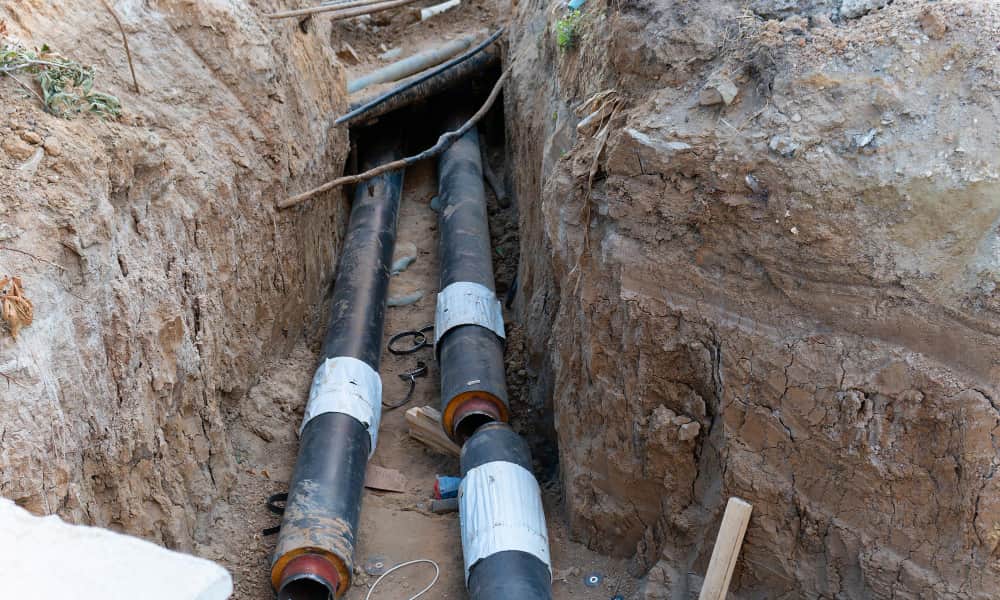
Two large, labeled black pipes are laid in a narrow, excavated trench.
Damp Spots icon

Older Pipe Materials

Many East Cobb homes have aging underground water lines. Galvanized steel, cast iron, and older metal pipes can weaken from corrosion, mineral buildup, and joint deterioration long before a visible break appears.

Signs of leak icon

Tree Root Pressure

Mature trees are common across East Cobb. Roots usually do not break into a sound pressurized water line, but they can worsen an existing leak by following moisture toward weak joints, cracks, or damaged pipe sections.

Leak detection inspection icon

Sloped Lots

East Cobb’s rolling terrain can place extra stress on buried lines. Pipes on sloped properties may run at uneven depths, leaving some sections more exposed to soil movement, surface pressure, and stress at connection points.

Cracks in Foundation icon

Driveways and Surface Loads

Driveways, retaining walls, compacted soil, and vehicle traffic can strain older buried pipes. If a line was installed too shallowly or has weakened over time, that added pressure can contribute to cracks, compression, or joint failure.
When to Call for Help?

Low water pressure, discolored water, wet spots in the yard, or a sudden water bill increase should be checked by a licensed underground plumber. If water is gushing, flooding the yard, or reaching the street, contact the local water authority or emergency service line right away.

How We Locate and Repair the Problem

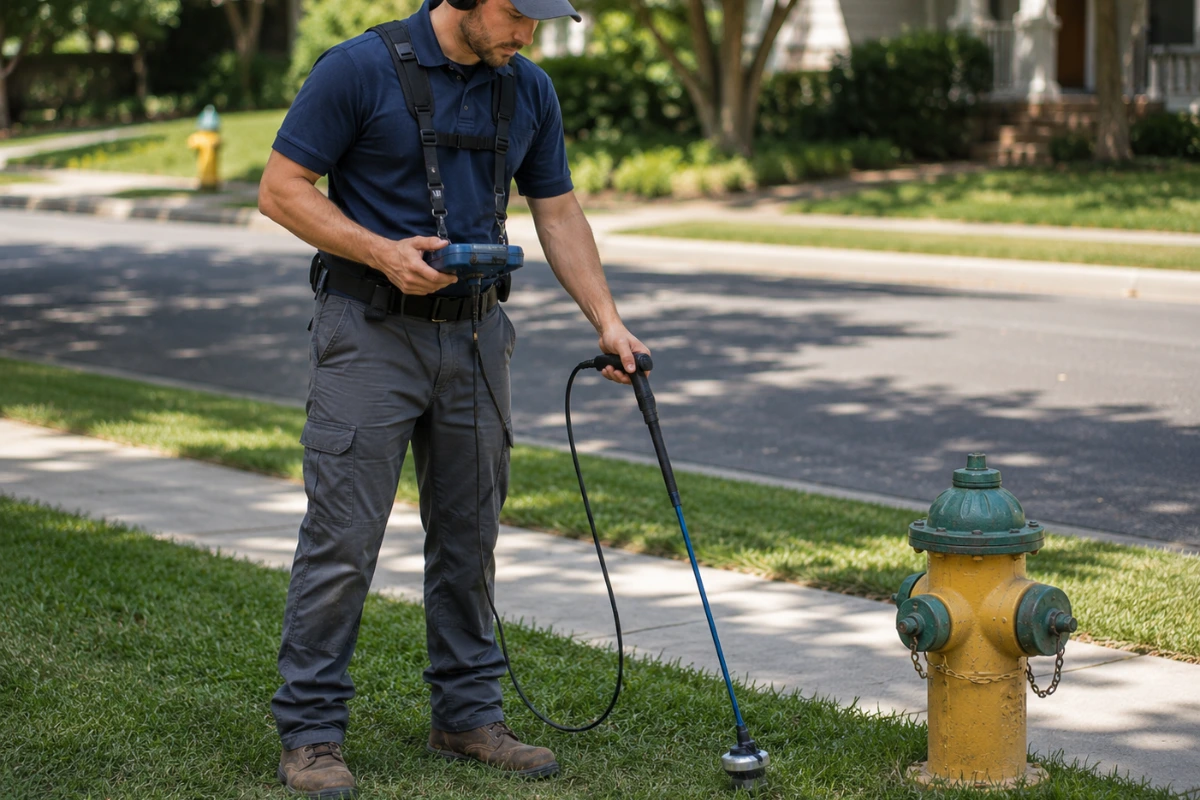
under ground leak detection

We Find the Leak Before We Dig

Underground water line repairs are not something you want handled with guesswork. Established landscaping, retaining walls, long driveways, mature trees, and sloped yards can make unnecessary digging expensive and frustrating.

That is why we start with detection first. Before opening the ground, we work to pinpoint where the leak is coming from and how serious it is. This may include acoustic listening equipment, pressure testing, meter movement checks, and thermal imaging when surface conditions allow.

The goal is simple: find the failing section of pipe as accurately as possible before any repair work begins.

How We Handle Underground Water Line Repairs

Step 1: Inspect and review

The process starts by reviewing the warning signs, mapping the service line path from the meter to the structure, and identifying property-specific access challenges such as nearby roots, driveway placement, retaining walls, and grade changes.

Step 2: Confirm the leak location

Leak detection and pressure testing help narrow down the problem area and confirm whether the underground water line is actively losing water.

Step 3: Assess Best Repair Options

Once the issue is confirmed, the repair plan is based on the pipe condition, leak location, and property layout. In some cases, a targeted repair is enough. In others, trenchless water line repair or full water line replacement may be the better long-term solution.

Step 4: Repair. Test. Clean Up

After the repair is completed, the restored line is pressure-tested, checked for proper function, and the work area is cleaned up before the job is finished.

waterline inspection
pipe repair
waterline repair

Repair, Trenchless, or Replacement on East Cobb Properties

East Cobb’s pipe age makes the repair-or-replace question more frequent here than in newer communities.

24-hour emergency plumbing icon

Targeted repair

Best when:

  • Failure is limited to one joint or short section
  • The rest of the line is still in serviceable condition
  • The access point is manageable.

OFTEN PREFERRED

Leak detection inspection icon

Trenchless water line repair

Best when:

  • The pipe path can be accessed from limited entry points
  • The line has not fully collapsed.
  • The work zone sits beneath landscaping, a finished driveway, or a retaining wall.
Licensed plumber service icon

Water line replacement

Best when:

  • The pipe has a history of repeated failures
  • Cast iron or galvanized steel has corroded beyond reliable repair
  • Deterioration affects multiple sections across the full run

Sudden Pressure Loss or Water Near the Foundation?

Active underground leaks erode soil faster on East Cobb’s sloped lots than on flat terrain. Water accumulating near a foundation on a graded property can shift the soil that supports it. Don’t wait on this one.

What Affects the Cost of Underground Water Line Repair in East Cobb

Underground water line repair costs vary with the specifics of every job, and any estimate given without an on-site assessment is a rough approximation.

  • Pipe material and age: corroded cast iron and galvanized steel add complexity compared to PVC, and often change whether repair or replacement is the right call
  • Depth variation from terrain: sloped East Cobb lots can create significant pipe depth changes across a single property, affecting access and excavation scope
  • Length of the damaged section and whether the problem is localized or distributed
  • Hardscaping above the pipe path: driveways, retaining walls, and established planting beds all affect how the repair is planned and executed
  • Trenchless eligibility: when the method fits, it limits surface disruption and can reduce total restoration costs

Residential and Commercial Water Line Repair Across East Cobb

Water line failures affect properties of every type in the area:

  • Older single-family homes in East Cobb’s established neighborhoods, where 1960s through 1980s service lines are at or approaching end of service life
  • HOA and planned communities where landscape protection, coordinated utility access, and HOA approval processes are part of every repair scope
  • Townhome and condominium developments along Johnson Ferry Road and Canton Road corridors, where shared infrastructure and tenant coordination add planning requirements
  • Commercial properties along Sandy Plains Road, Powers Ferry Road, and Roswell Road, where water service disruption affects daily business operations
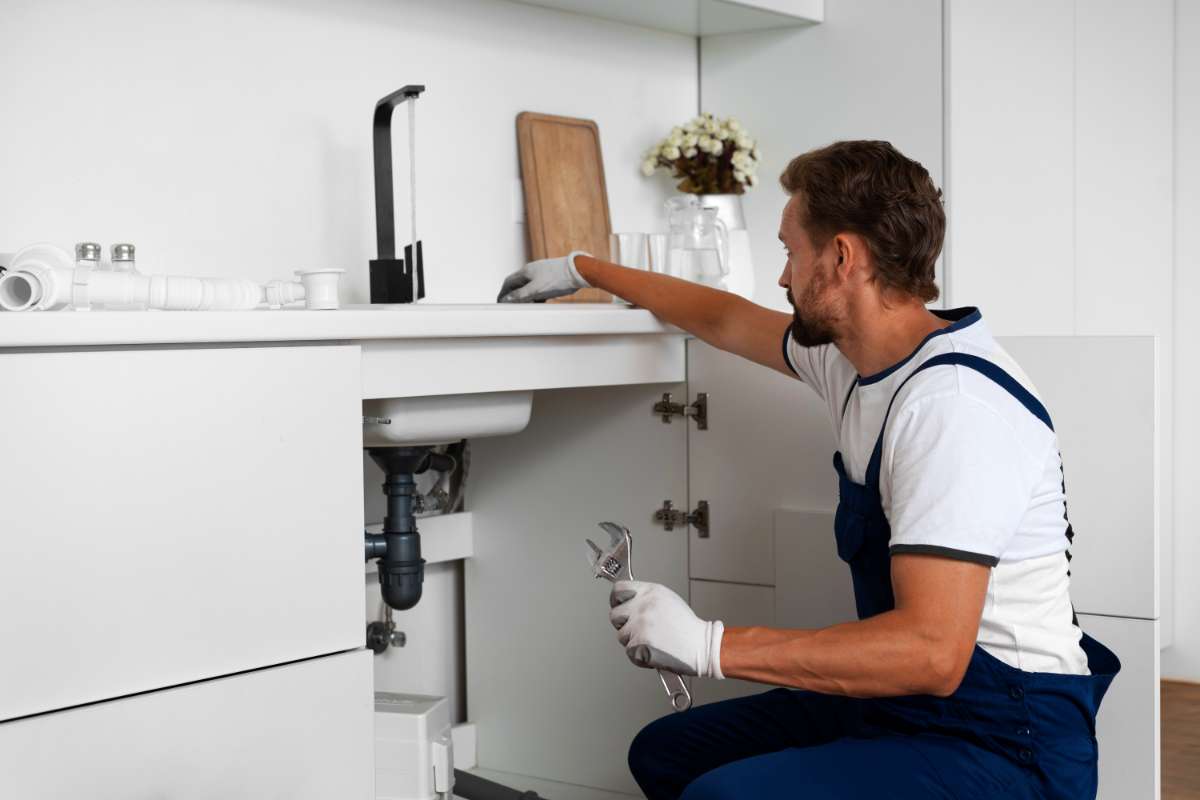
A plumber in blue overalls and white gloves kneels beside a white kitchen cabinet, holding a wrench, focused on repairing pipes under the sink.
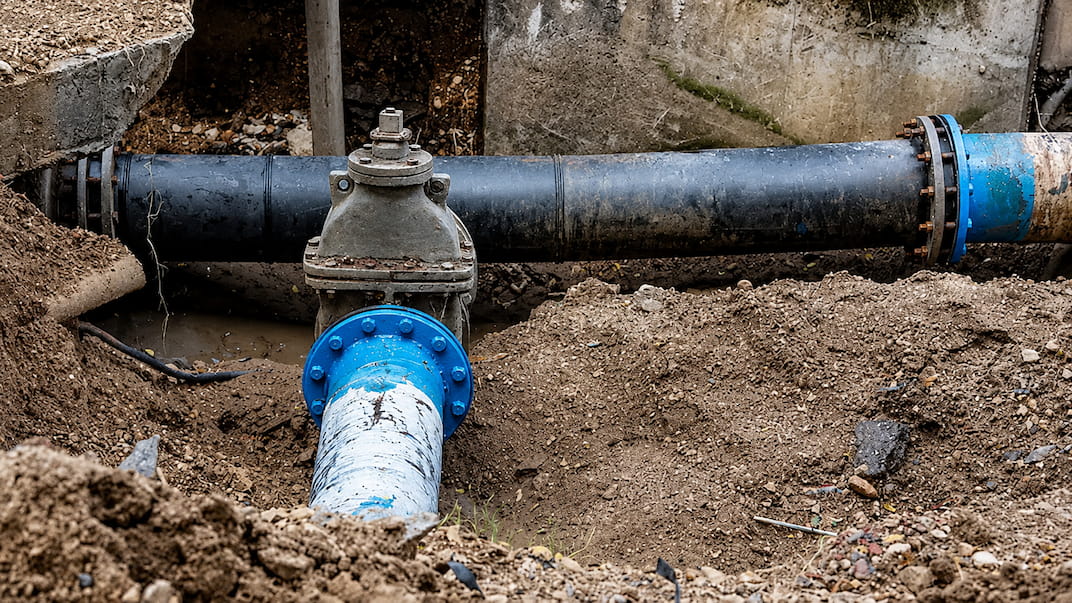
A large blue and black water pipe, partially buried in dirt, with a valve in the center, surrounded by exposed earth and a concrete wall.
repairing a potential leak

Local Territory Knowledge That Speeds Up the Work

Underground plumbing work in East Cobb is informed by knowing the area. Understanding that Paper Mill Road neighborhoods carry original cast iron water service from the 1970s, that root systems in wooded Chimney Springs and East Cobb Estates lots run significantly farther from their host trees than they appear to, and that slope-adjacent properties in the Lower Roswell corridor often have shallower pipe runs on the high side of the grade all shorten the diagnostic process. Pattern recognition from consistent work in a specific area produces more accurate first assessments and fewer surprises once the ground is opened.

Our team has worked across East Cobb communities including Indian Hills, Chimney Springs, East Cobb Estates, and properties along Johnson Ferry Road, Lower Roswell Road, Sandy Plains Road, and Powers Ferry Road, as well as neighboring communities in Roswell, Alpharetta, Sandy Springs, Milton, Dunwoody, and Johns Creek.

Frequently Asked Questions About Underground Water Line Repair in East Cobb, GA

How do I know if my East Cobb home has an aging cast iron water service line?

Homes built before the mid-1980s in East Cobb are most likely to have original galvanized steel or cast iron service lines. Signs that the material may be deteriorating include rusty or brownish-tinted water, gradual pressure reduction over time, and a history of small leaks near the meter box or at connection points. A pressure test and service line inspection confirm the pipe material and current condition.

Yes. While sewer lines are more commonly affected by root intrusion, water service lines are not immune. When a corroded or cracked supply line begins leaking, it creates a consistent underground moisture source. East Cobb’s mature hardwoods, including the large oaks common in established neighborhoods, send roots toward that moisture and can accelerate joint separation and pipe damage at the failure point.

A 50-year-old galvanized steel or cast iron service line is at or beyond the typical service life for that material. The line may still be functioning, but internal corrosion, slow joint leaks, and reduced wall thickness are common at that age. An inspection and pressure test can determine whether the line is still reliable or approaching the point where proactive replacement is the more practical decision.

Trenchless repair uses low-dig or limited-access methods to restore a damaged line with minimal surface disruption. Whether it applies to older pipe depends on the pipe’s condition: the line needs to be accessible from limited entry points and can’t be fully collapsed. For East Cobb properties with HOA landscaping requirements or finished driveways, trenchless is often the preferred method when site conditions support it.

It can. Sloped lots create pipe depth variation across a single property, which affects detection accuracy, excavation scope, and access planning. Some sections of a service line on a graded lot may sit shallower than the standard burial depth, which changes how the repair is approached. We account for terrain during the initial assessment on every East Cobb job.

Cost depends on pipe material and age, the depth and length of the damaged section, access conditions, terrain, and the repair method. East Cobb’s older cast iron infrastructure sometimes increases complexity in ways that affect the scope. We provide a site-specific estimate after the inspection, because no two properties present the same conditions.

We use targeted repair and trenchless methods wherever the pipe condition and site layout allow. Some excavation may still be necessary depending on the pipe condition, access point, and the depth of the failure. Every repair is planned to minimize surface disruption as much as the actual job allows.

The water service line from the meter to the structure is the property owner’s responsibility. We handle that portion of the work. For issues at or near the meter box that may involve the utility side of the connection, we can help identify where the problem falls and clarify whether coordination with Cobb County Water System is needed.

Request Underground Water Line Repair in East Cobb, GA

A 50-year-old cast iron service line doesn’t announce that it’s failing. It just starts losing water underground, slowly enough that the first sign is often a water bill that doesn’t quite add up. Zippy Plumber provides accurate leak detection, targeted water line repair, and trenchless water line repair options for residential and commercial properties across East Cobb and North Atlanta.

Do not wait for a buried pipe issue to spread across your yard, driveway, or foundation area. Call Zippy Plumber today for help repairing an underground water line and restoring reliable water service with as little disruption as possible.