
Underground Water Line Repair in Johns Creek, GA
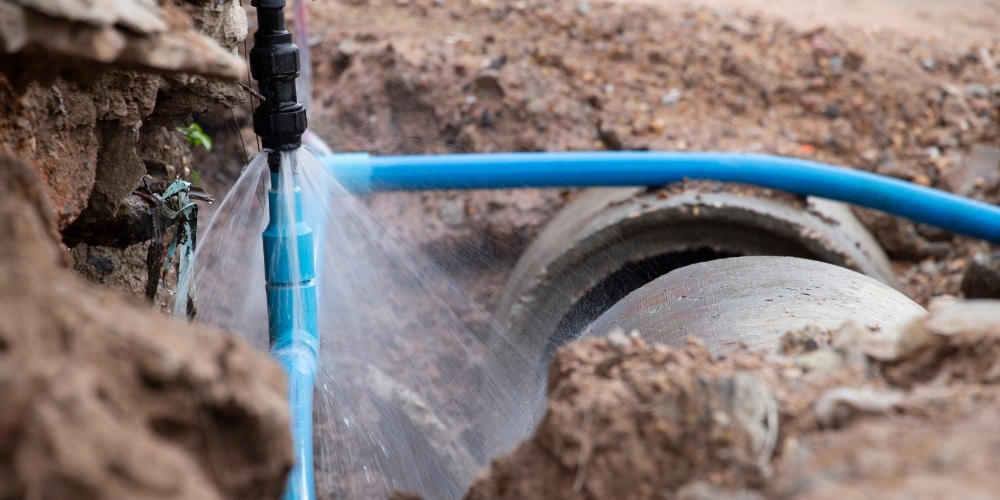
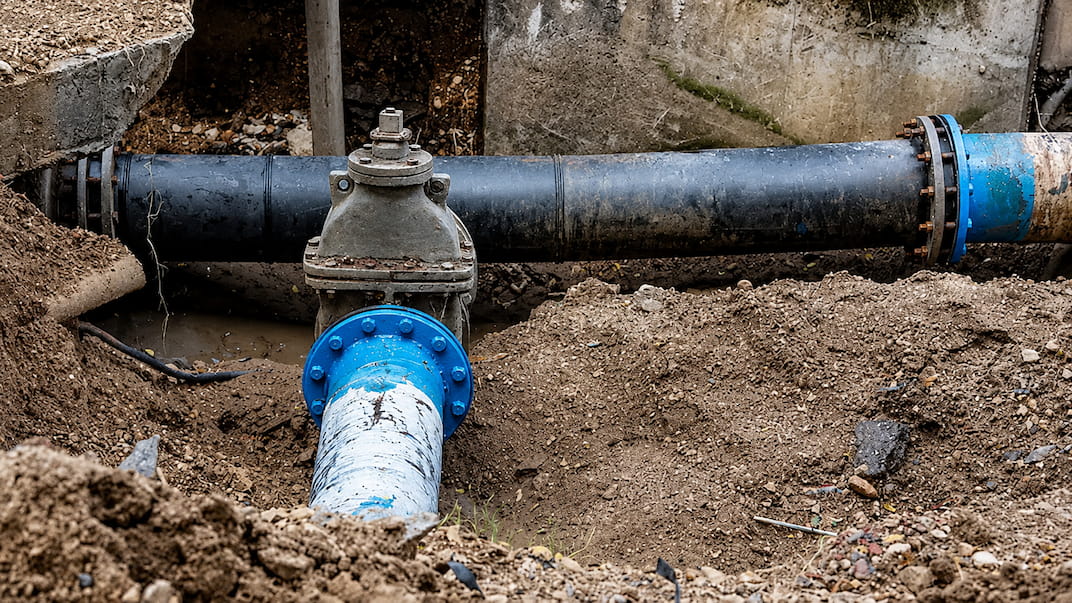
A hidden underground water line leak can affect your entire home before you know where the problem started. If you are noticing soggy areas in the yard, low water pressure, water pooling near the foundation, or an unexpected increase in your water bill, Zippy Plumber can help.
Underground plumbing specialists | Licensed and insured | Leak detection available | Trenchless repair options | 500+ jobs completed | 4.9-star Google rating | Serving Johns Creek and North Atlanta
Speak With a Water Line & Sewer Specialist
Submit our online form to request an underground plumbing assessment.
Signs You Have a Buried Water Line Problem
Underground water line failures in Johns Creek rarely surface dramatically. Most leaks develop quietly over weeks before the yard or water bill confirms what’s been happening underground.
- Soft, persistently wet ground in a yard section that doesn’t dry out between rain events
- Water pressure dropping at multiple fixtures throughout the home simultaneously
- A water bill that climbs without any change in household usage
- Rusty, discolored, or sputtering water from indoor taps or outdoor spigots
- Standing water near the foundation edge, driveway, or meter box
- The water meter moving when every faucet, appliance, and irrigation zone in the home is confirmed off
The average home loses more than 10,000 gallons of water per year through undetected leaks. An underground supply line failure that goes unaddressed for months can push that number significantly higher, all while eroding the soil beneath Johns Creek’s established yards, hardscapes, and outdoor structures.
Underground Conditions That Stress Water Lines in Johns Creek

Aging PVC Service Lines
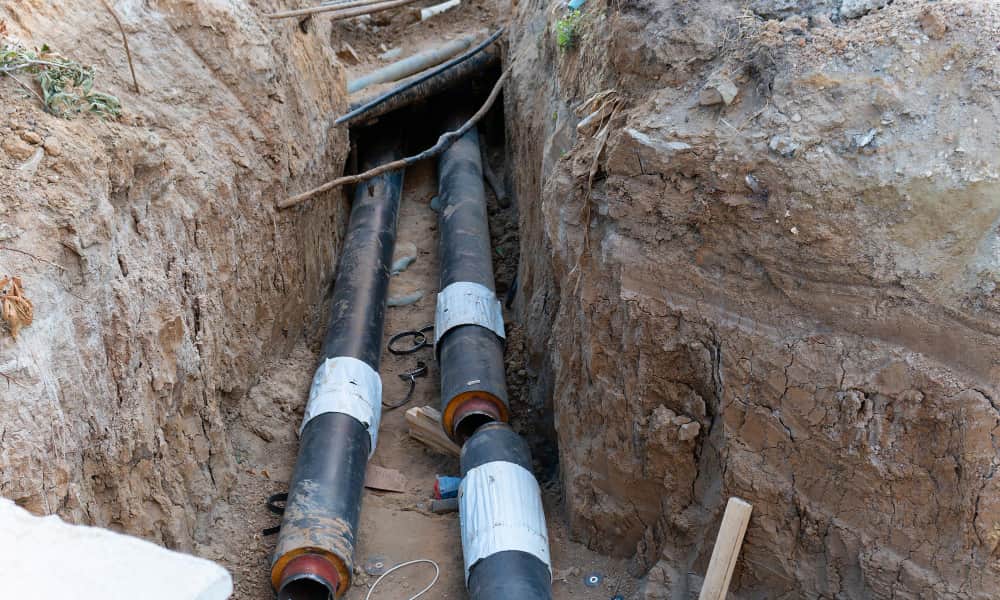
Many Johns Creek homes built in the 1980s and 1990s have PVC service lines. PVC is durable, but after 30 to 40 years, joints, fittings, bends, and irrigation tap connections can start to fail.

Clay Soil Movement
Clay-heavy soil expands during wet periods and contracts during dry weather. That movement can stress buried water line joints, especially on older lines or areas with previous repairs.

Irrigation Lines Nearby
Irrigation systems often run near the main water service line. A leak in one system can look like a problem in the other, so each line should be isolated and tested before digging.

Moisture-Prone Areas
Lower-lying areas near Bell Road, McGinnis Ferry Road, and the Chattahoochee River boundary may hold soil moisture longer after heavy rain. That added moisture can weaken support around older joints.
How We Locate and Repair the Problem
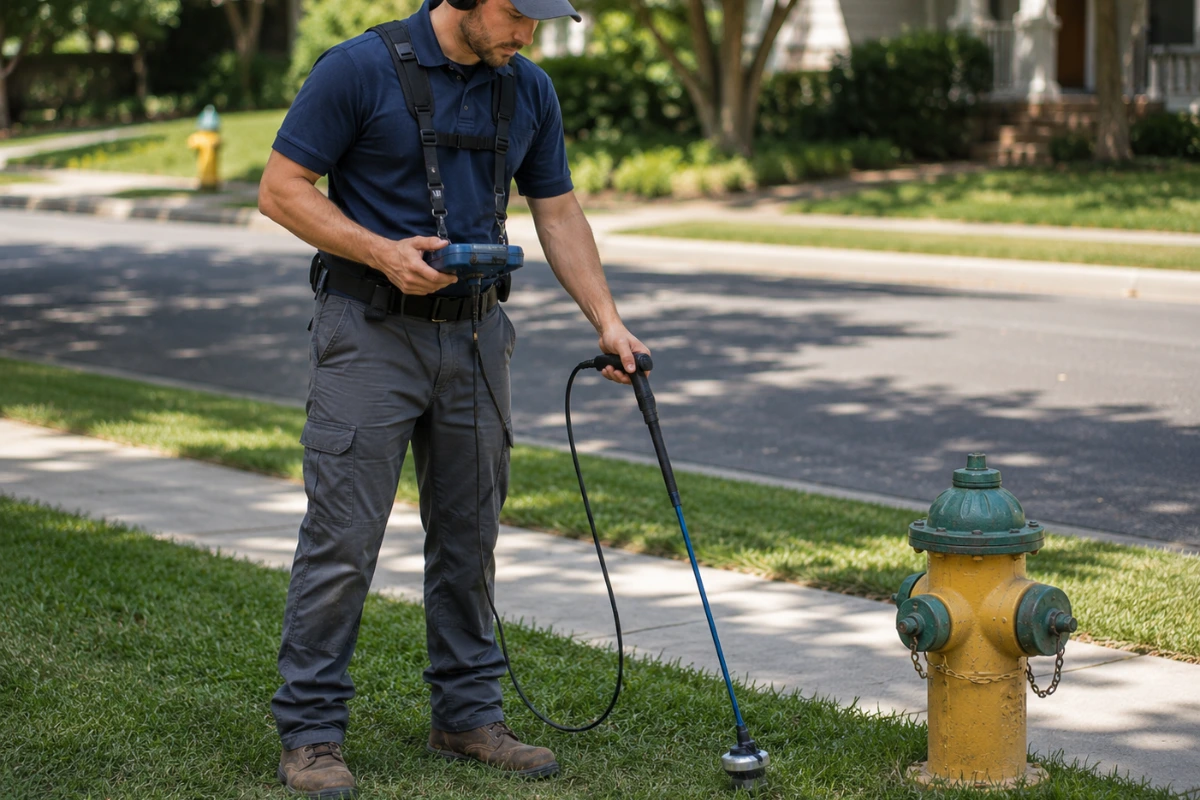
Detection Before Any Ground Is Opened
Johns Creek homeowners have invested significantly in their properties. Mature landscaping, finished hardscapes, pool systems, outdoor kitchens, and irrigation infrastructure all represent real value that speculative digging damages quickly. We find the source of the failure before opening the ground. Depending on the site, that diagnostic process includes acoustic listening equipment to detect water escaping a pressurized line, independent pressure testing on the main supply and irrigation systems, meter movement analysis, and thermal imaging where surface conditions allow.
The Step-by-Step Repair Process
Step 1: Property and Line Assessment
The process starts with assessing the property, confirming the service line route from the meter to the foundation, and identifying access challenges. This may include irrigation conflicts, hardscaping, grade changes, landscaping, and other lot-specific features that affect the repair plan.
Step 2: Leak Location Confirmation
Leak detection and pressure testing help pinpoint the failure location and confirm the severity of water loss before the ground is opened.
Step 3: Repair Option Review
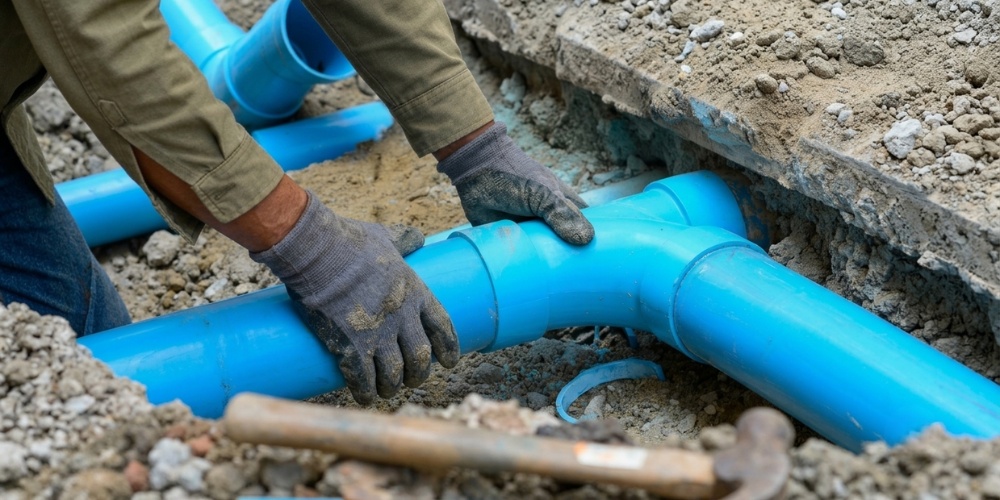
Based on the findings, the best repair approach is selected for the pipe condition and property layout. That may include targeted repair, trenchless water line repair, or full water line replacement.
Step 4: Repair, Testing, and Cleanup
After the repair is completed, the restored line is pressure-tested, checked for proper function, and the work area is cleaned up before the job is finished.
Repair, Trenchless, or Replacement: Choosing Right for a Johns Creek Property
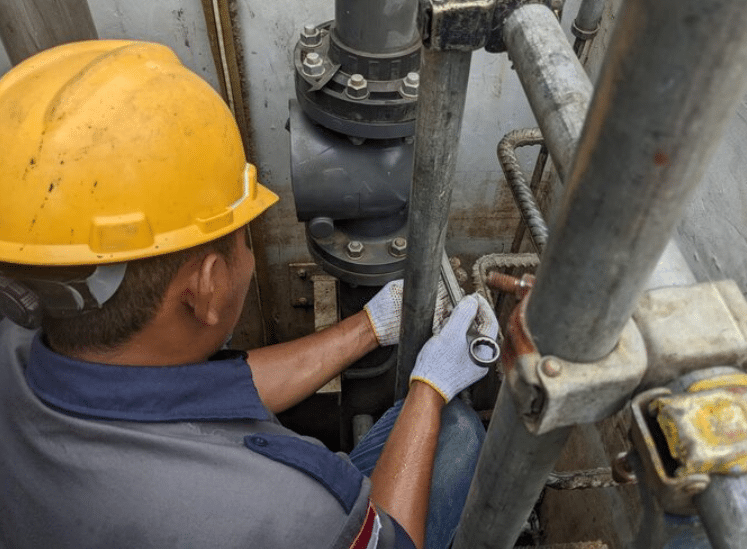
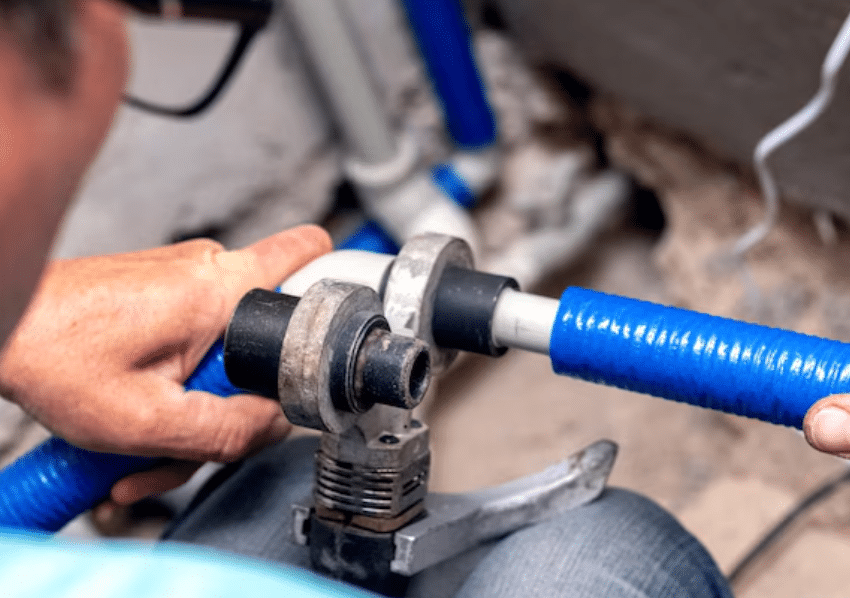
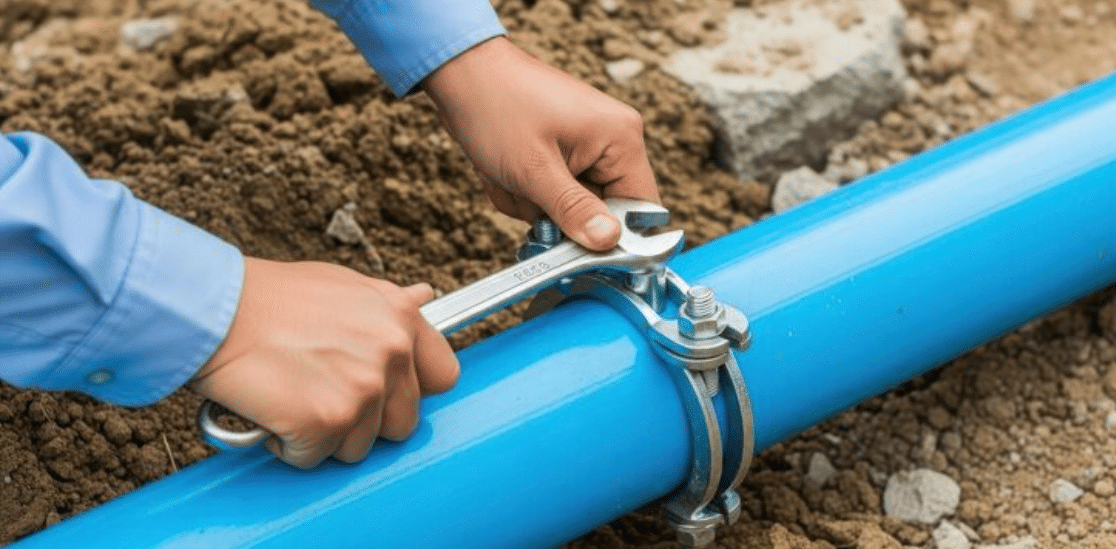
Not every damaged water line needs full replacement, and not every property is a good fit for trenchless repair. In Johns Creek, the right approach depends on the pipe condition, leak location, access points, landscaping, irrigation lines, hardscaping, and long-term repair value.

Targeted repair
Best when:
- Damage is limited to one fitting, joint, or short pipe section
- The surrounding pipe is still in serviceable condition
- The access point is straightforward
- Good fit for isolated failures with manageable access.
OFTEN PREFERRED
Trenchless water line repair
Best when:
- The pipe path can be reached from limited entry points
- The line has not fully collapsed
- Landscaping, driveways, retaining walls, or irrigation lines sit above the repair zone
- Common choice for Johns Creek properties with mature landscaping, finished driveways, irrigation systems, and HOA curb appeal standards.

Water line replacement
Best when:
- The pipe shows deterioration across multiple sections
- Has produced repeated failures
- When the pipe condition and material make targeted repair a short-term outcome rather than a durable solution.
- Best for aging or failing lines where replacement offers the stronger long-term solution.
Every option is reviewed before work is approved, so the repair plan is clear, practical, and matched to the property.
Active Leak or Water Accumulating Near the Foundation?
What Shapes the Cost of Underground Water Line Repair in Johns Creek
No estimate given without a site inspection reflects actual job conditions. Water line repair costs in Johns Creek vary based on factors that differ from property to property.
- Pipe age and material: 1980s-1990s PVC presents different repair requirements than newer installations, particularly at fitting transitions and irrigation tap-off points
- Irrigation system proximity: independently isolating and testing the main supply line from the irrigation system adds diagnostic steps that affect scope
- Hardscaping above the pipe path: finished driveways, outdoor living structures, and retaining walls affect access planning and may require surface restoration after any open-cut work
- HOA access and pre-approval requirements: some Johns Creek communities require documentation or pre-notification before ground is opened on a property
- Trenchless eligibility: when site conditions support it, trenchless repair reduces excavation scope and total restoration cost
Residential and Commercial Water Line Repair Across Johns Creek
Water line failures affect every property type in the area, each with its own access and coordination requirements:
- Established single-family homes in Rivermont, St. Ives Country Club, Medlock Bridge, and Abbotts Bridge Road communities, where 30-to-40-year-old PVC service lines are entering the range where joint and fitting failures become more frequent
- HOA and master-planned communities where coordinated access, shared easement use, and community notification requirements are part of every repair scope
- High-value residential properties with pool equipment, outdoor kitchens, and professional landscaping where minimizing surface disruption directly protects the property investment
- Commercial properties along Johns Creek Parkway, State Bridge Road, and McGinnis Ferry Road, where water service disruption affects tenants, customers, and daily business continuity

What Local Experience Provides on Johns Creek Jobs
Working consistently in Johns Creek produces pattern recognition that shortens the diagnostic process. Knowing that older Rivermont PVC service lines tend to fail at irrigation tap-off connections, that properties near the Chattahoochee watershed sit in persistently saturated soil that requires adjusted acoustic detection technique, that St. Ives lots often run service lines through dense ornamental planting beds that limit access from multiple directions, and that HOA communities along State Bridge Road frequently require pre-coordination before any excavation begins, all of that translates into more accurate first assessments and fewer complications once the repair is underway. Our team has worked throughout Johns Creek and across the broader North Atlanta service area including Alpharetta, Roswell, East Cobb, Sandy Springs, Milton, and Dunwoody.
Frequently Asked Questions About Underground Water Line Repair in Johns Creek, GA
What is the difference between an underground water line leak and a slab leak?
An underground water line leak occurs in the supply pipe running from the street meter to the home through the exterior yard. A slab leak occurs where that same supply pipe passes beneath the concrete foundation slab. Both involve the water service line, but the location determines the detection method and repair approach. Surface-run failures are located through acoustic and pressure testing in the yard. Slab leaks require detection beneath the foundation using acoustic and thermal methods. Either can produce similar symptoms, including pressure loss, rising utility bills, and moisture near the foundation perimeter.
Can a water line leak interfere with my irrigation system's performance?
Yes. In Johns Creek properties where the main supply line and irrigation system run through the same corridor, a supply line failure can alter irrigation zone pressure and be misread as an irrigation fault. Proper independent pressure testing on both systems is the reliable way to confirm which line is failing and prevent an unnecessary irrigation repair from masking a more serious supply line issue.
My Johns Creek home was built in the 1990s. Should I expect water line problems?
A 1990s PVC service line is now 30 or more years old. PVC is durable, but the fittings, joints, and irrigation tap-off connections are the most common failure points as the material ages. Soil movement, root pressure near pipe bends, and any past excavation near the line can accelerate joint deterioration at these points. A pressure test and service line inspection confirm the current condition and identify any sections showing early wear.
Does my HOA have a role in water line repairs on my property?
In most Johns Creek HOA communities, the water service line from the street meter to the home is the individual homeowner’s responsibility. Some communities require documentation, notification, or permit submission before any excavation begins on the lot. We discuss the access and coordination requirements specific to your community before the repair starts to avoid delays or compliance issues once the job is underway.
What is trenchless water line repair and does it protect my landscaping?
Trenchless repair uses low-dig or limited-access methods to restore a damaged pipe with significantly less surface disruption than open excavation. It works when the pipe can be accessed from limited entry points and hasn’t fully collapsed. For Johns Creek properties with HOA landscaping standards, finished hardscapes, and pool or irrigation systems nearby, trenchless is often the most property-protective option when the pipe condition and site layout support it.
How much does underground water line repair cost in Johns Creek, GA?
Cost depends on pipe age and material, the length and location of the damaged section, irrigation system proximity, access conditions, and the repair method. No two properties in Johns Creek present identical conditions, so any estimate given without a site inspection is a rough approximation at best. We assess each property before providing a recommendation and cost estimate.
How quickly should an underground water line leak be addressed?
Promptly. An active leak in Johns Creek’s clay-soil environment saturates the ground around slabs, driveways, and foundation edges faster than surface conditions suggest. The longer the leak continues, the more soil movement accumulates beneath finished surfaces and the larger the total repair scope tends to become. Early detection limits both the structural risk and the financial consequence.
Will my yard or driveway need to be excavated?
We use targeted and trenchless repair methods wherever the pipe condition and site layout support them. Some excavation may still be necessary depending on the access point, pipe depth, and whether trenchless methods apply. Every repair is planned to minimize surface disruption as much as the actual job conditions allow, with Johns Creek property protection treated as a consistent priority throughout the process.
Request Underground Water Line Repair in Johns Creek, GA
A hidden underground water line problem can lead to soggy lawns, low water pressure, rising water bills, and damage that spreads before you know where the leak started. If you suspect an underground water leak in Johns Creek, Zippy Plumber is ready to help with accurate diagnostics, practical repair options, and trenchless water line repair solutions when conditions allow.
Do not let a buried pipe issue disrupt your home or property. Call Zippy Plumber today for help repairing an underground water line in Johns Creek, GA, and restore reliable water service with as little disruption as possible.
Request Underground Water Line Repair