
Underground Water Line Repair in Sandy Springs, GA

When an underground water line fails, guessing where to dig can make the problem more expensive. Zippy Plumber helps Sandy Springs property owners locate the leak and choose the right repair path.

Underground plumbing specialists | Licensed and insured | Leak detection available | Trenchless repair options | 500+ jobs completed | 4.9-star Google rating | Serving Sandy Springs and North Atlanta

Speak With a Water Line & Sewer Specialist

Submit our online form to request an underground plumbing assessment.

Warning Signs of a Water Line Problem

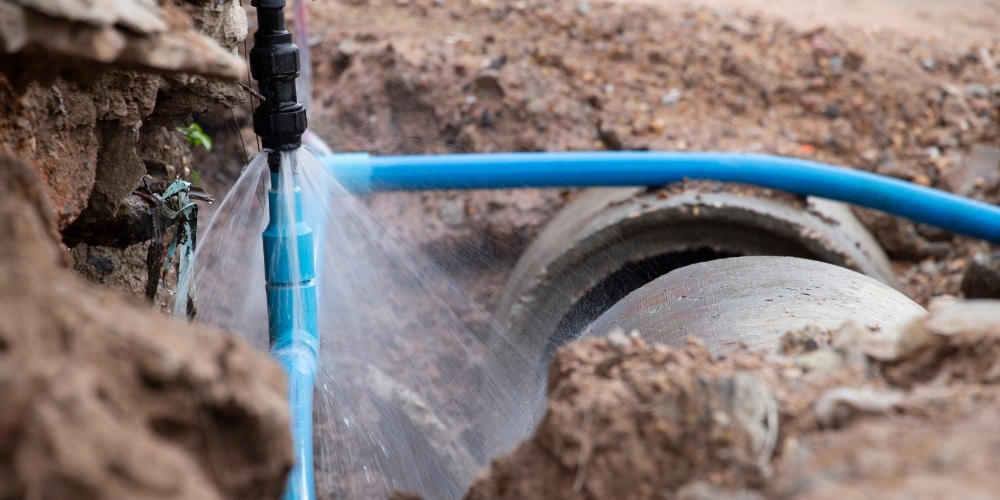
A buried water line leak may show up as:

  • Localized soil saturation or soft ground that persists during dry weather cycles
  • Water pressure dropping at multiple fixtures simultaneously
  • An unexplained increase in metered water consumption without changes in occupancy
  • Rusty, discolored, or sputtering water from indoor or outdoor taps
  • Water near the foundation edge, a driveway line, or the street-side meter box
  • The water meter registering movement when every fixture in the home is off

If water is actively surfacing, flooding the yard, reaching the street, or affecting nearby structures, the issue should be addressed promptly.

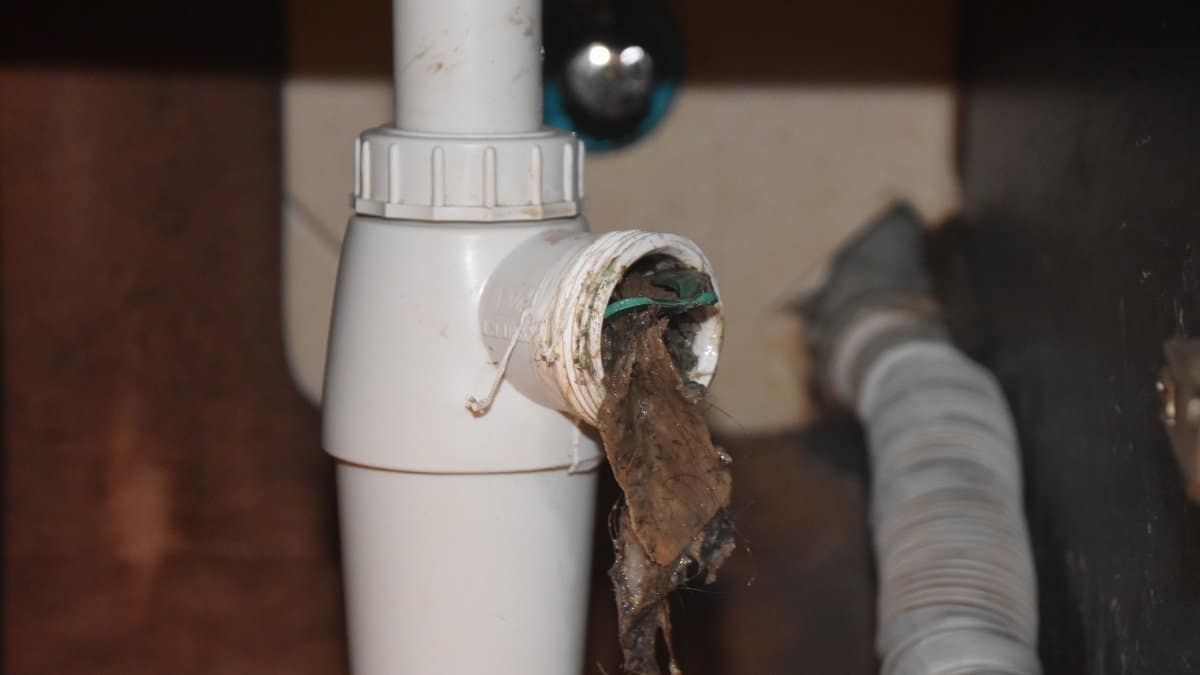
trap under a sink overflowing with a thick, dirty sludge clog
professional plumber
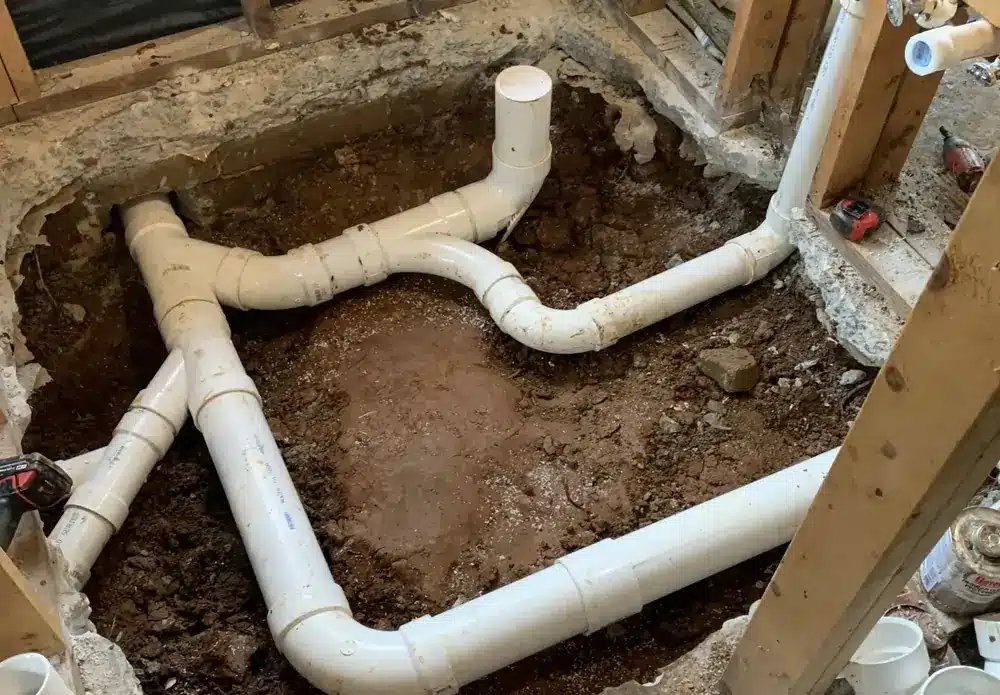
A construction site featuring freshly installed white PVC plumbing pipes in a dirt-filled cavity, surrounded by wooden framework and tools.

What Puts Sandy Springs Water Lines at Risk

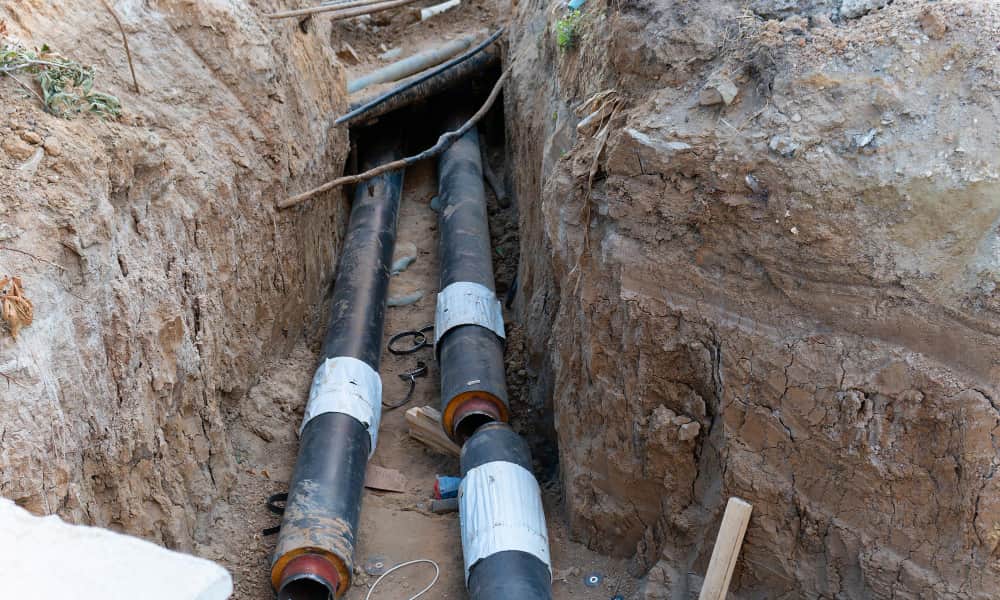
Two large, labeled black pipes are laid in a narrow, excavated trench.
Damp Spots icon

Older Service Lines

Sandy Springs saw major residential growth after interstate access expanded in the 1960s. Depending on the age of the property and any past repairs, some homes may have older galvanized steel, copper, PVC, or mixed-material service lines. Older metal lines can develop internal corrosion, mineral buildup, or fitting deterioration over time. Copper and PVC can also fail at joints, fittings, or previously repaired sections. The only reliable way to confirm the pipe material and condition is through inspection, testing, and exposed verification where needed.

Signs of leak icon

Soil Movement and Drainage Conditions

Clay-heavy soil, poor drainage, and wet-dry cycles can stress buried water lines in Sandy Springs. Clay expands when saturated and contracts during dry periods, shifting pressure around joints, fittings, and older repair points. Soil that stays wet after storms may also reduce support around the pipe. Leak detection and pressure testing confirm the failure location and help determine whether repair or replacement is needed.

water line repair tools

Tree Roots Near Joints and Fittings

Mature trees are common in many Sandy Springs neighborhoods. Roots do not usually break into a sound pressurized water line by themselves, but they can worsen an existing weakness. If a line is already leaking, the moisture can attract roots toward nearby joints, fittings, or cracked sections. This is one reason leak detection should be completed before digging. The visible wet area may not be directly above the failing pipe section.

Non-invasive leak detection icon

Moisture-Prone Areas Near the Chattahoochee

Some properties near lower-lying areas, drainage corridors, or the Chattahoochee River boundary may retain moisture longer after heavy rain. Saturated soil can make surface signs harder to interpret and may affect acoustic leak detection. On these properties, pressure testing, meter checks, and line mapping are especially important before choosing a repair method.

office

Multi-Family and Shared Utility Layouts

Townhome communities, condominium properties, and apartment buildings can have more complex water service layouts than single-family homes. Shared lines, branch connections, easements, and property boundaries must be reviewed before repair work begins. A clear access plan helps reduce unnecessary disruption to neighboring units, shared driveways, sidewalks, parking areas, and landscaping.
Got More Questions?

If you’re seeing signs of a possible underground leak, it helps to confirm the source before digging or choosing a repair. Leak detection can show what is happening below the surface and help determine the next step.

How the Problem Is Located and Repaired

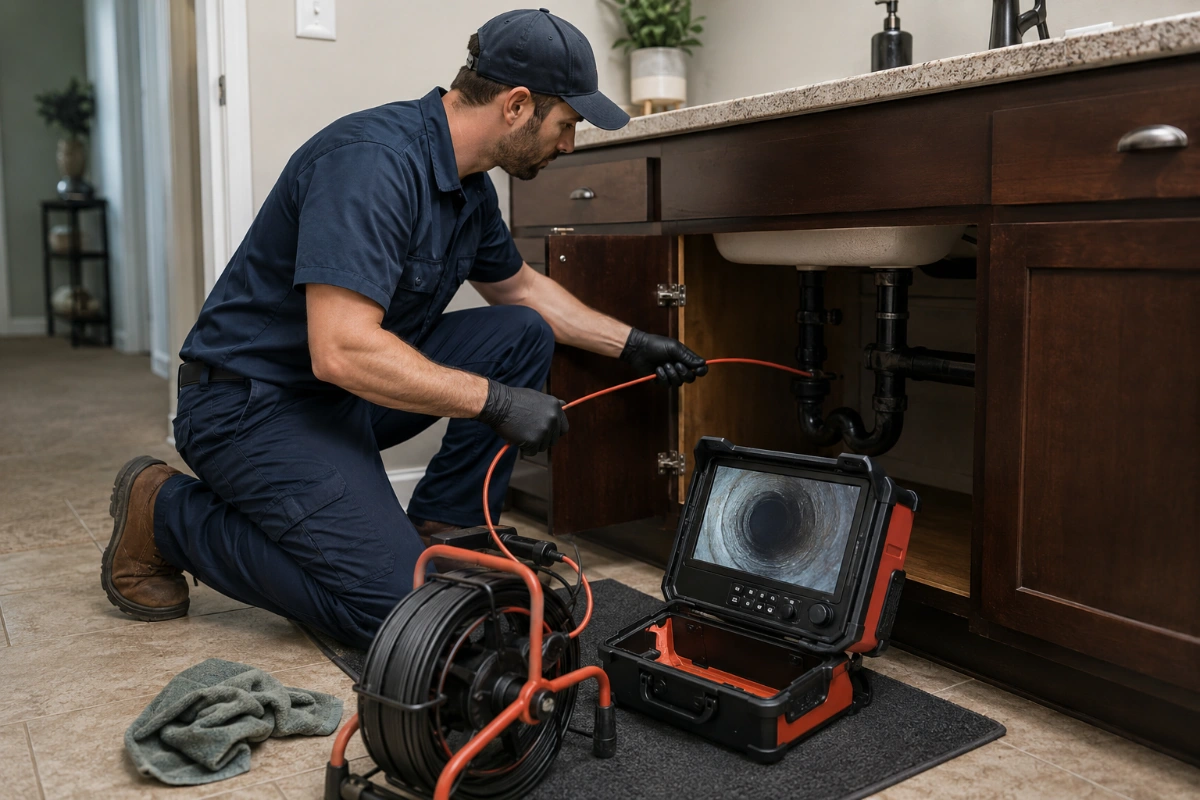
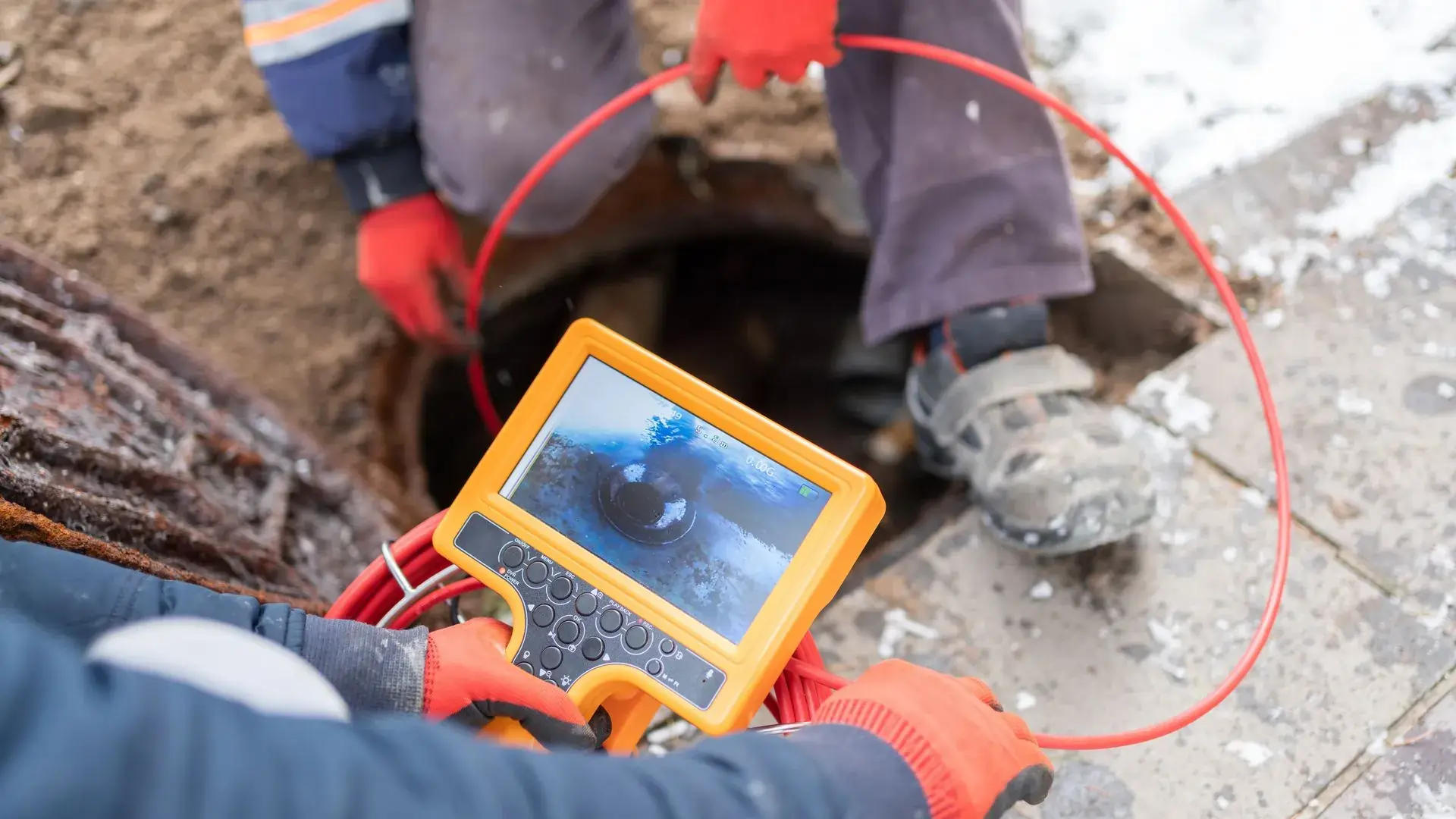
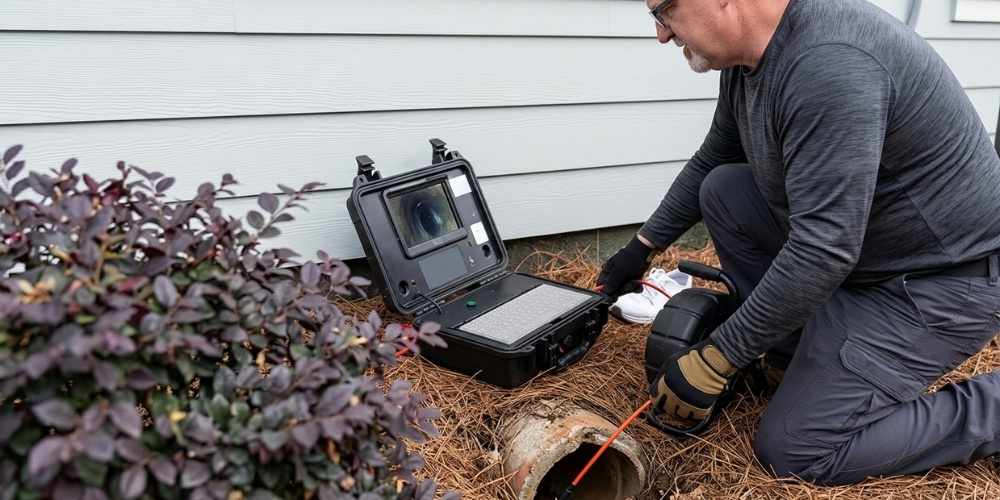
Worker using an orange inspection camera to examine a sewer pipe.

Leak Detection Before Excavation

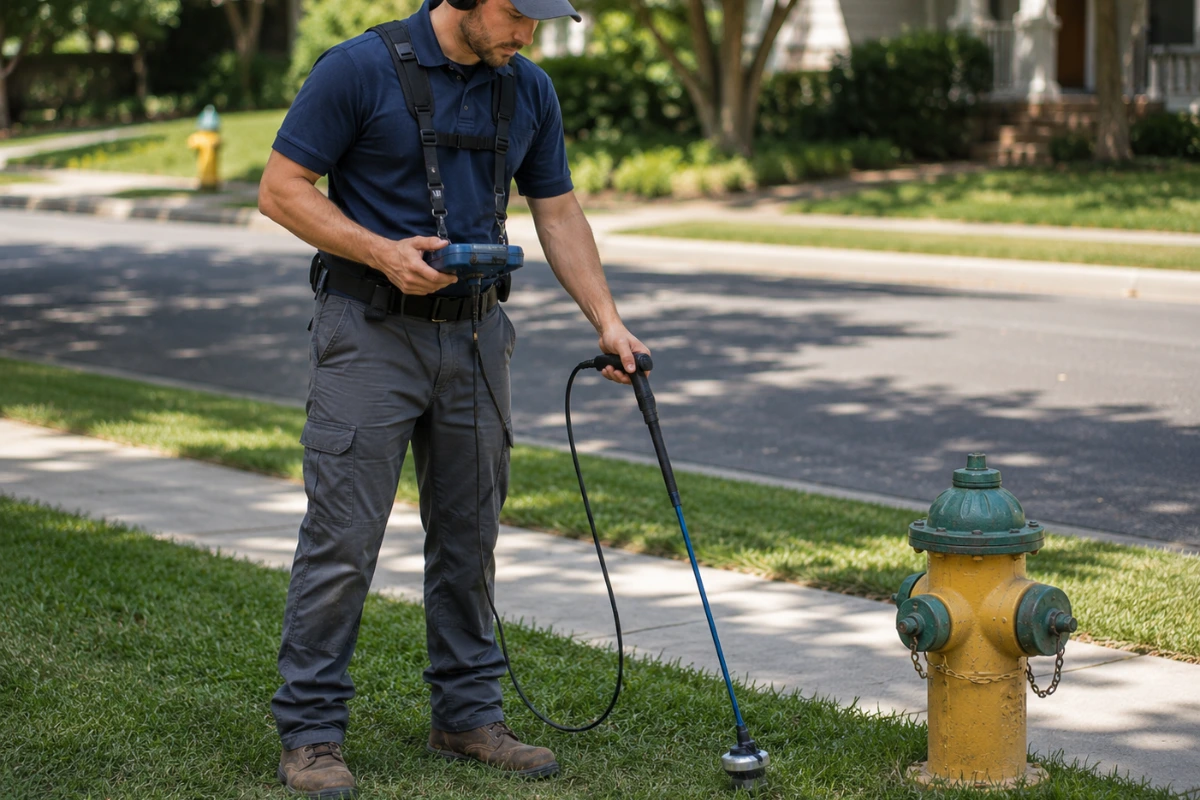
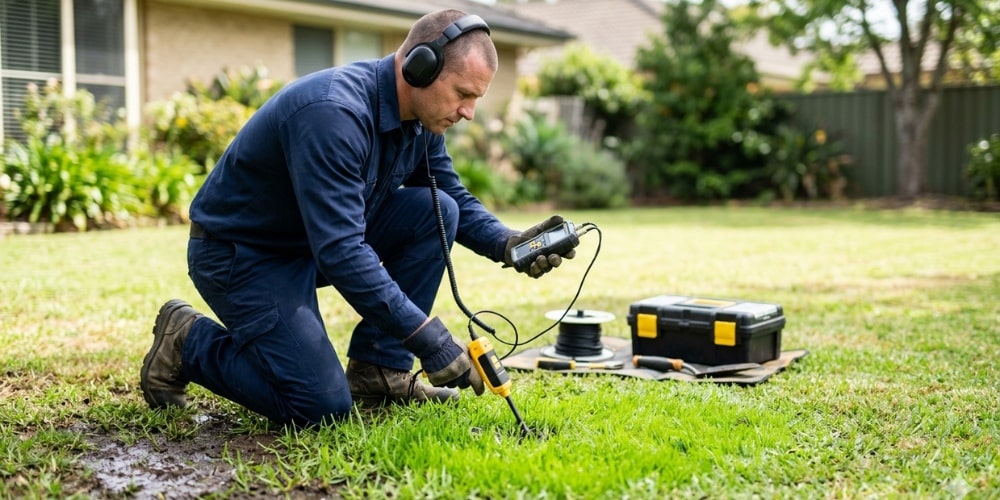
The first step is confirming whether the water line is actively losing water and narrowing down the likely failure area. This may involve acoustic listening equipment, pressure testing, meter movement checks, and service line mapping. When the line runs near a property boundary, shared driveway, or dense utility corridor, nearby infrastructure must also be considered before excavation.

Georgia 811 utility marking is required before mechanized digging. In Sandy Springs neighborhoods where gas, electric, fiber, irrigation, sewer, and water lines may be close together, utility marking and safe access planning are essential parts of the repair process.

The Repair Process

Step 1: Property and Line Review

The service line route is reviewed from the meter to the structure. Access constraints such as shared driveways, property lines, mature trees, hardscaping, irrigation, and nearby utilities are identified.

Step 2: Leak Location Confirmation

Leak detection and pressure testing help confirm the failure location, determine whether active water loss is present, and document the likely repair area.

Step 3: Repair Option Review

The repair recommendation is based on the pipe material, leak location, pipe condition, available access, and surface features above the line. The appropriate option may be targeted repair, trenchless water line repair, or full water line replacement.

Step 4: Repair, Testing, and Cleanup

After the repair is completed, the restored line is pressure-tested under working conditions. The work area is then cleaned up before the job is finished.

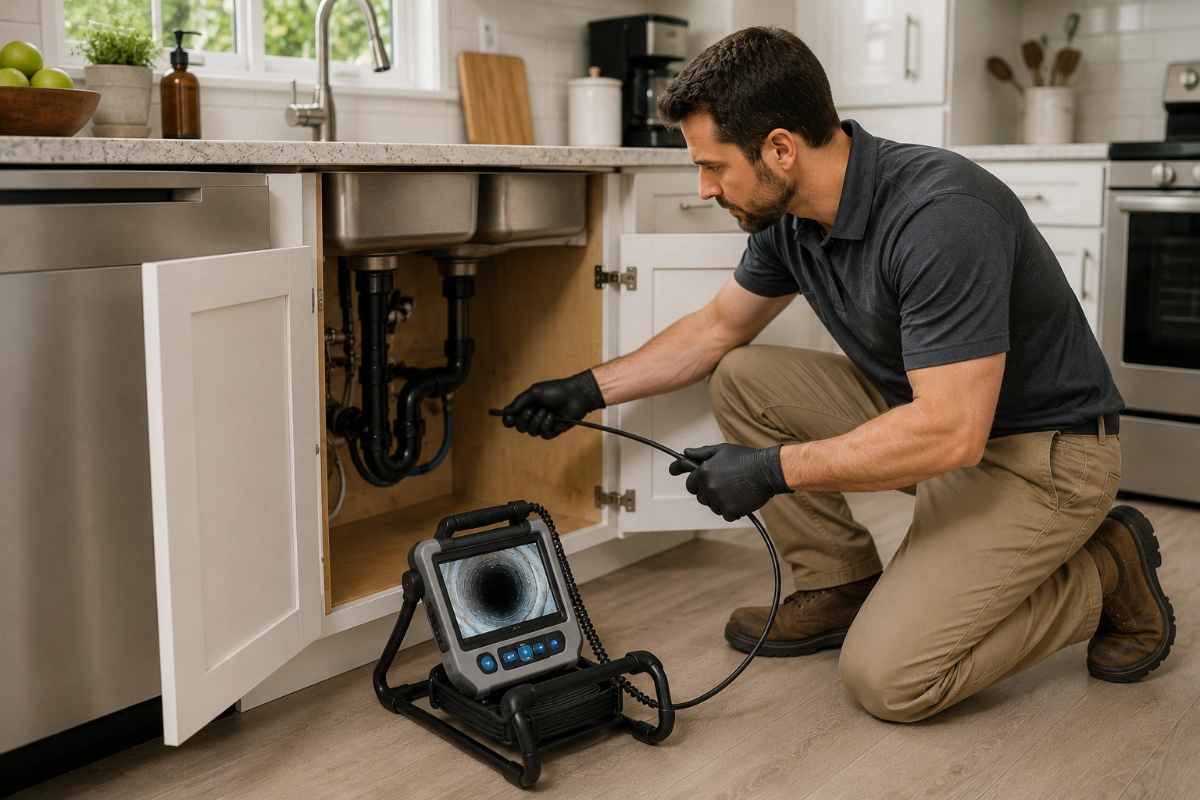
technician uses a sewer inspection camera system
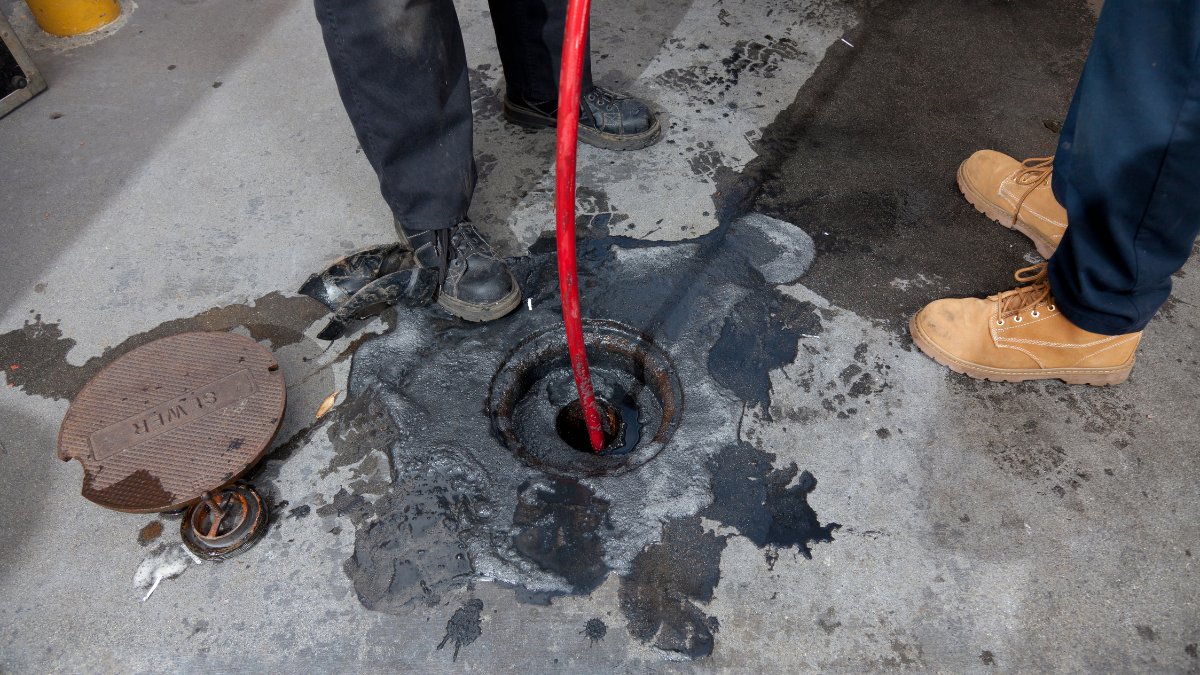
red hydro jetting hose is fed into an open drain
leak detection using modern tools

Choosing the Right Repair Method

24-hour emergency plumbing icon

Targeted Repair

Targeted repair may be appropriate when:

  • The leak is limited to one repairable section, fitting, or joint
  • Nearby pipe sections are still in serviceable condition
  • The repair area can be accessed without excessive surface disruption
Leak detection inspection icon

Trenchless Water Line Repair

Trenchless repair may be considered when:

  • The line has not fully collapsed
  • Access points are available
  • The pipe path runs beneath a driveway, walkway, landscaping, or other finished surface
  • The existing pipe condition can support the repair method


Trenchless repair is not the right fit for every line. Inspection and testing determine whether it is technically appropriate.

Improve Plumbing System Efficiency icon

Water Line Replacement

Replacement may be the better option when:

  • The line has repeated leaks
  • Deterioration affects multiple sections
  • The pipe material is too compromised for reliable repair
  • A spot repair would likely be temporary
  • The service line layout or age makes full replacement more practical

Every repair option should be reviewed before work is approved, including the expected scope, access needs, and restoration considerations.

Water Line Repair Cost Factors in Sandy Springs

Water line repair costs vary by property. The best way to price the job accurately is to inspect the line, confirm the leak location, and understand what is above and around the pipe.

What Can Affect Your Estimate?

Pipe Material

Galvanized steel, copper, PVC, and mixed-material lines require different repair approaches.

Leak Location

Leaks near the meter or home entry point may be easier to access than failures beneath driveways, landscaping, shared surfaces, or longer pipe runs.

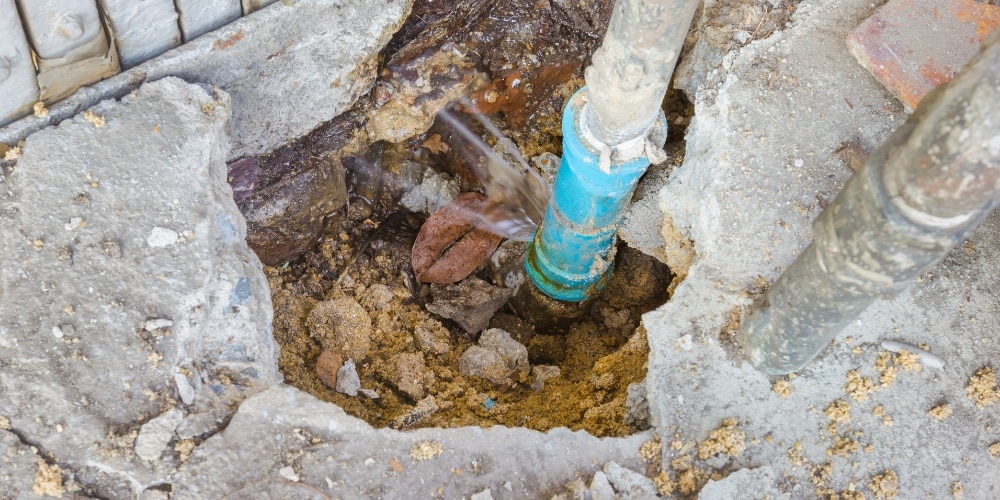
underground water leak
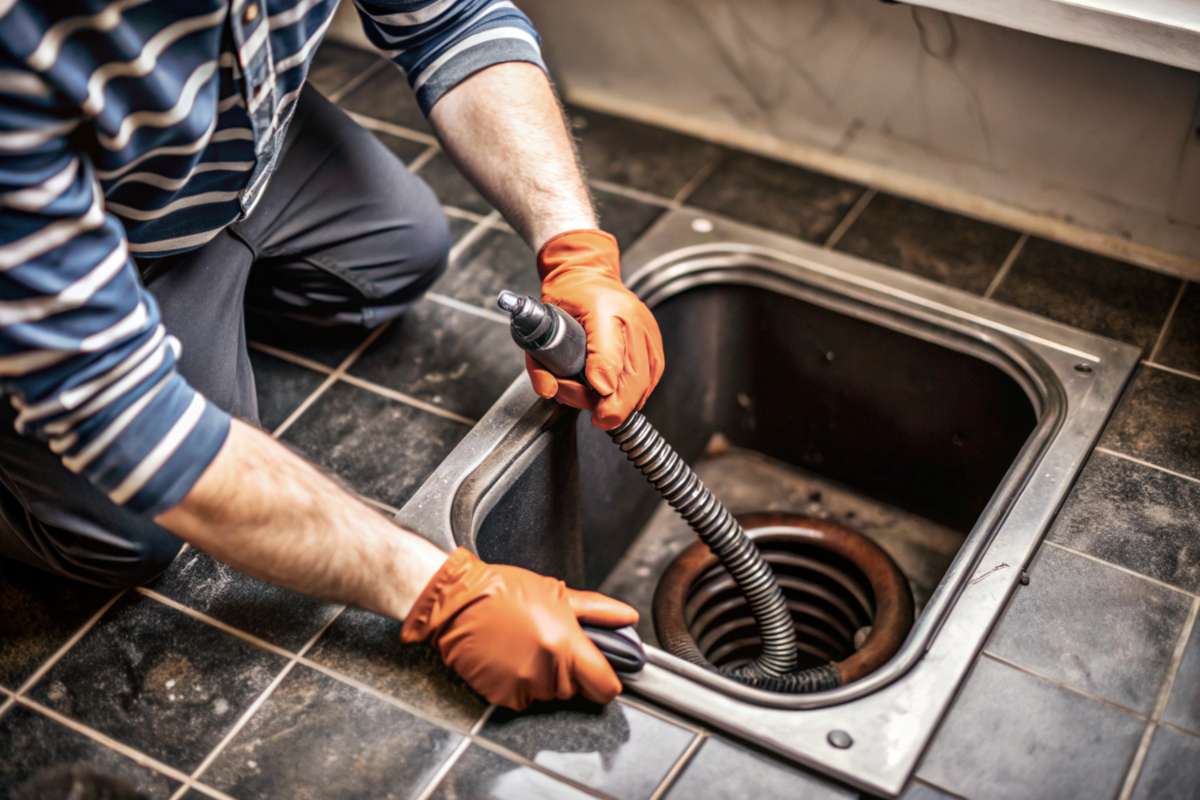
A plumber uses a plumbing snake to clear a drain in a tiled floor.
plumber kneels on the floor fixing the drain pipes
significant leak in a main water line

Line Depth and Access

A deeper line or tight access area may require more labor, equipment planning, and restoration work.

Surface Conditions

Driveways, sidewalks, retaining walls, mature trees, irrigation systems, and shared property areas can affect excavation and cleanup.

Trenchless Eligibility

When site conditions allow, trenchless water line repair may reduce digging and help limit surface restoration.

Get a Site-Based Estimate

A property inspection helps confirm the repair scope, access needs, and best repair option for your Sandy Springs water line.

Residential, Multi-Family, and Commercial Water Line Repair in Sandy Springs, GA

Underground water line problems can affect single-family homes, townhome communities, apartment buildings, office properties, retail spaces, and mixed-use properties throughout Sandy Springs.

Licensed, Insured, and Experienced Leak Detection Specialists Icon

Single-Family Homes

Older homes may have aging service lines, past repairs, or fittings that are more vulnerable to corrosion, soil movement, and root pressure.

multi unit

Townhomes and Condominiums

Shared property areas require careful line mapping, utility marking, and access planning. A leak may affect multiple units or shared surfaces before the source is confirmed.

Cracks in Foundation icon

Apartment and Multi-Family Properties

Larger properties may include branch connections, service zones, private utility corridors, irrigation systems, and parking areas that need to be accounted for before repair work begins.

office

Commercial Properties

Water service disruptions can affect tenants, customers, employees, restrooms, kitchens, landscaping, and daily operations. Commercial repairs should start with fast diagnosis, clear documentation, and an access plan that limits unnecessary disruption.
Why Leak Detection Comes First

Opening the ground before confirming the leak location can increase cost, damage landscaping or hardscaping, and delay the correct repair. Detection-first service helps reduce guesswork by confirming whether the line is actively losing water and where the failure is most likely located.

  • Meter movement checks
  • Acoustic listening
  • Pressure testing
  • Service line mapping
  • Visual inspection of accessible pipe sections
  • Evaluation of nearby irrigation or secondary lines where applicable


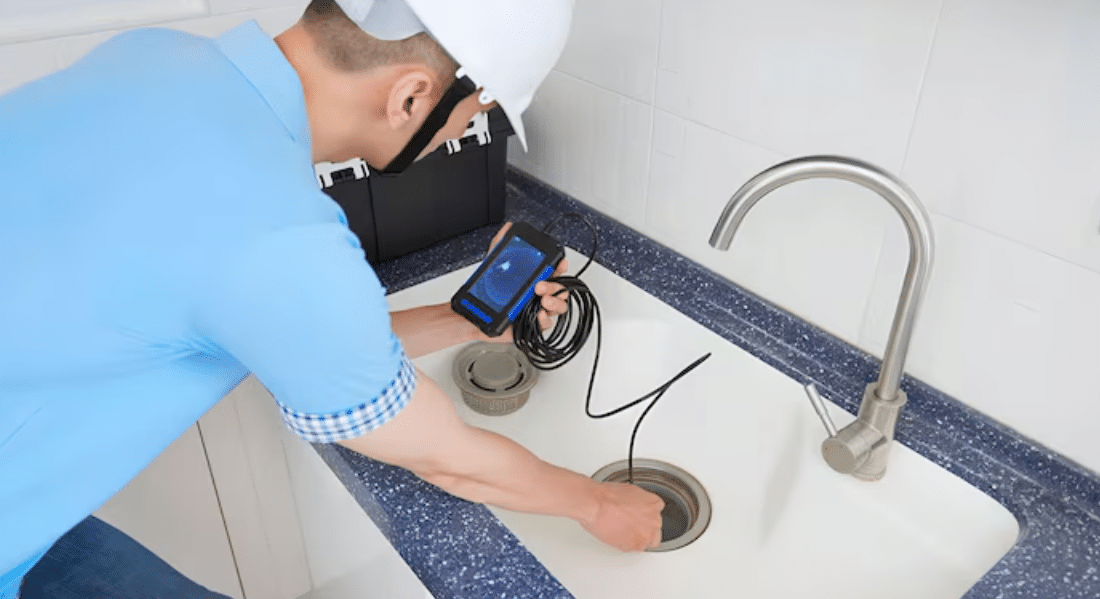
drain pipe inspection
leak detection
under ground leak detection
A technician using specialized leak detection equipment to inspect the ground

Safety and Utility Marking Before Digging

Underground water line repair should not begin with unmarked excavation. Gas, electric, communication, sewer, stormwater, irrigation, and private utility lines may be close to the repair zone.

Before mechanized digging, Georgia 811 utility marking is required. Utility marking helps identify public underground utilities, but private lines may still require additional locating. This can include irrigation lines, private electrical lines, landscape lighting, pool equipment lines, or privately installed drainage systems.

A safe repair plan should account for both public utility markings and property-specific underground features.

Frequently Asked Questions About Underground Water Line Repair in Sandy Springs, GA

How do I know if I have an underground water line leak?

Possible signs include persistent wet ground, low pressure at more than one fixture, unexplained meter movement, or a water bill increase that does not match normal use. Leak detection and pressure testing can help confirm whether the buried service line is losing water.

Yes. Water can move through soil before it reaches the surface, especially on sloped, compacted, or saturated ground. The visible wet area may not be directly above the damaged pipe.

Some do. The pipe material depends on the property’s age, repair history, and whether the service line has been replaced. Older homes may have galvanized steel, copper, PVC, or mixed-material lines. Inspection is needed to confirm what is underground.

Roots are more likely to worsen an existing weakness than damage a sound pressurized line on their own. If a pipe is already leaking, moisture can draw roots toward joints, fittings, or cracked sections.

No. Trenchless repair depends on the pipe condition, line layout, available access points, and whether the pipe has collapsed. A site assessment is needed before this method can be recommended.

Replacement may be recommended when the line has repeated leaks, widespread deterioration, multiple weak sections, or pipe material that is no longer reliable for a targeted repair.

The timeline depends on the leak location, pipe depth, access conditions, repair method, utility marking, and site conditions. A targeted repair may take less time than trenchless work or full replacement.

Cost depends on pipe material, line depth, failure location, repair method, access conditions, and any surface restoration required. A site assessment is needed for an accurate estimate.

If water is actively surfacing, flooding the yard, reaching the street, or threatening the structure, shut off the water if it is safe to do so. Then contact a plumbing professional or the appropriate water utility for urgent guidance.

Request Underground Water Line Repair in Sandy Springs, GA

Underground water line problems should be evaluated before digging begins. Leak detection, pressure testing, utility marking, and site-specific repair planning help identify the source of the problem and reduce unnecessary disruption.

Zippy Plumber provides underground water line repair in Sandy Springs, GA for residential, multi-family, and commercial properties.

Got More Questions?