QUICK FACTS
- A sewer camera inspection shows pipe issues without digging or demolition.
- It helps detect hidden problems like roots, cracks, bellies, and corrosion.
- Slow drains, recurring backups, and aging pipes are valid reasons to schedule one.
- A camera inspection should come before hydro jetting to prevent added damage.
- Early inspection can help avoid larger and more expensive sewer repairs.
WHAT’S IN THIS GUIDE
Most homeowners don’t think about their sewer line until a drain backs up or a patch of the yard refuses to dry out. Those signs are easy to dismiss, but underground, small problems have a way of becoming expensive ones quietly and quickly.
Sewer lines are invisible by design. They work silently until the damage is deep enough to demand attention, and by that point, the repair cost reflects it.
A sewer camera inspection changes that. A plumber looks directly inside the pipe and tells you exactly what’s there before anything gets worse.
What a Sewer Camera Inspection Actually Is
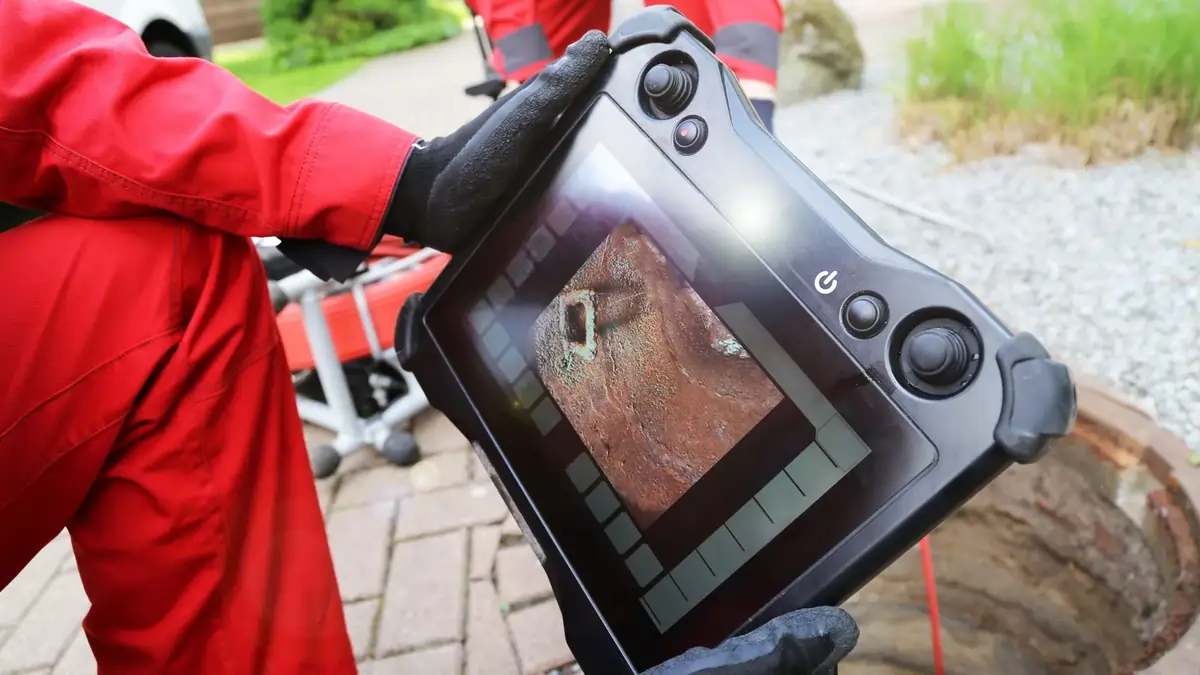
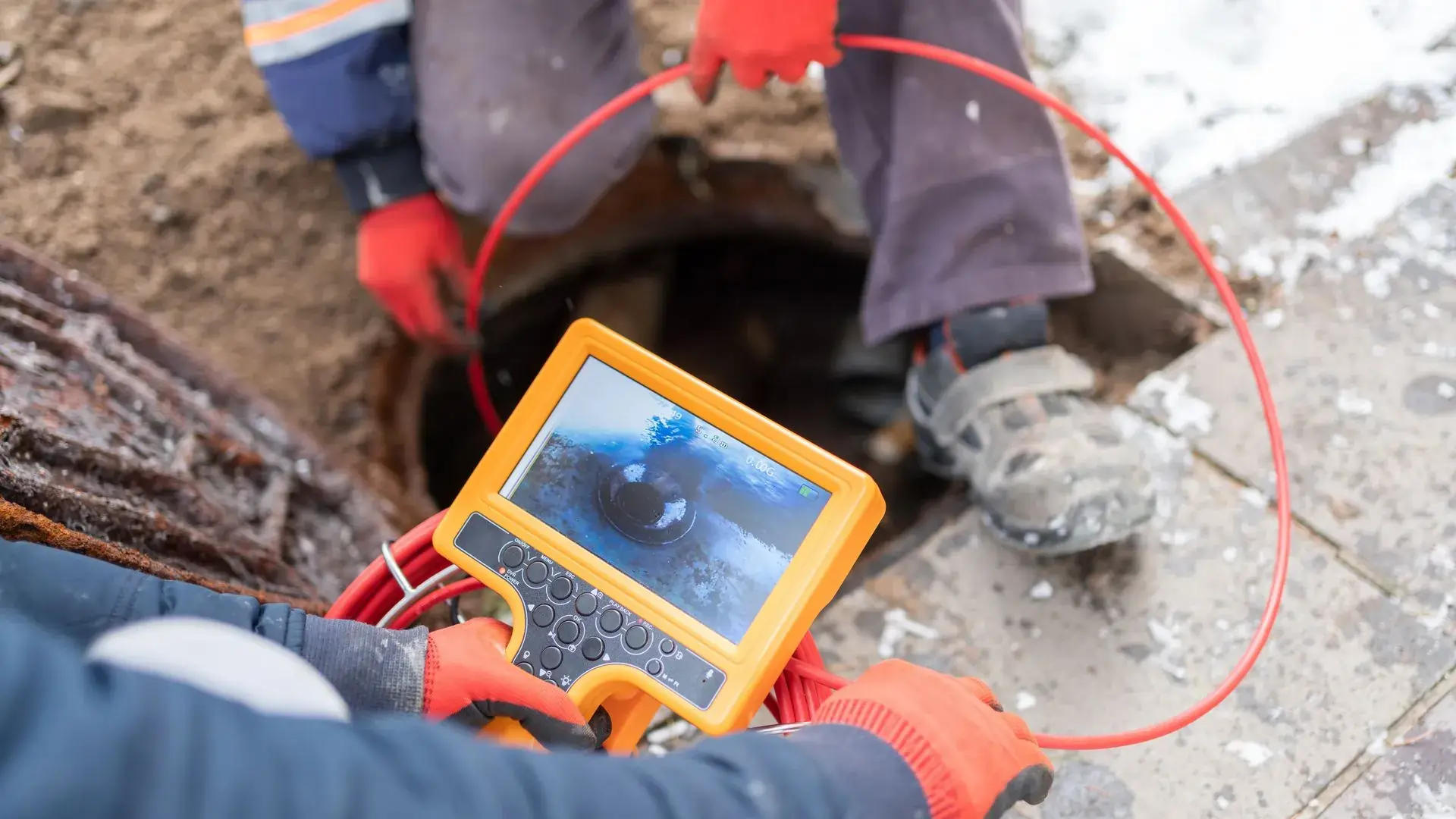
A sewer camera inspection is a non-invasive procedure where a licensed plumber feeds a small, waterproof camera into your sewer line through an existing access point. It transmits live footage to a monitor above ground, capturing the real-time condition of your pipe walls, joints, and flow.
A locator device tracks the camera underground, so any problem is marked at the surface with exact precision.
No digging. No guesswork. Just a clear, recorded picture of what’s happening inside your pipe.
What the Camera Actually Sees Inside Your Pipes
This is where a sewer camera earns its value. The footage doesn’t just confirm a clog exists. It shows what the problem is, where it sits, how severe it is, and whether the pipe structure around it is still intact. The right repair decision starts with knowing exactly what you’re dealing with.
Here’s what sewer camera inspections commonly identify:
Root Intrusion
Tree roots are one of the most common causes of sewer damage, especially in older neighborhoods with mature landscaping. As roots search for moisture, they can enter small cracks or loose pipe joints, then grow larger inside the line. Over time, they catch debris, restrict flow, and lead to recurring backups that standard drain cleaning may not fully solve.
Pipe Cracks, Fractures, and Collapses
These often result from shifting soil, ground settlement, aging materials, or heavy vehicles driving over the yard. Completely invisible from the surface and impossible to locate accurately without a camera.
Offset or Misaligned Joints
When pipe sections shift and no longer align properly, the resulting gaps catch debris, allow root entry, and restrict flow gradually enough that homeowners don’t notice until the problem is significant.
Belly or Sag in the Line
A belly is a low point in the pipe caused by soil movement. Waste and solids collect there instead of flowing through, creating chronic buildup and an elevated backup risk over time.
Grease and Scale Buildup
Years of use narrow the pipe’s interior diameter as grease and mineral scale accumulate along the walls. Flow decreases gradually, and the line becomes increasingly vulnerable to full blockages.
Corrosion and Pipe Deterioration
In older cast iron and clay pipes, corrosion shows up as rust, pitting, and flaking that compromises both the structural integrity and flow capacity of the line.
How a Sewer Camera Inspection Near Me Is Done: Step by Step
The process is straightforward, and for most homes, it takes less than an hour.
Step 1: Access Point Identification
The plumber locates the best entry point into the sewer line, typically the main cleanout near the foundation or in the yard. Some inspections use a floor drain or roof vent stack depending on system configuration.
Step 2: Camera Insertion
The flexible, waterproof camera cable is guided into the pipe. The camera head is built to navigate bends, joints, and varying pipe diameters without difficulty.
Step 3: Live Video Review
As the camera travels through the line, the plumber watches real-time footage on a monitor. The video is also recorded for documentation.
Step 4: Problem Location and Marking
A locator device tracks the camera’s underground position. When a problem is identified, the plumber marks the exact spot on the surface, including depth, so any future repair work is targeted and precise.
Step 5: Assessment and Recommendations
Once the inspection is complete, the plumber explains the findings, shows the footage, and walks through repair options based on what was actually observed. No assumptions. No upselling based on symptoms alone.
When to Schedule a Sewer Camera Inspection in Alpharetta, GA
A camera inspection isn’t only for emergencies. In fact, using it proactively is one of the smartest ways to avoid them.
Before Buying a Home
Standard home inspections don’t include sewer line evaluation. A house can be completely move-in ready on the surface while hiding a deteriorating sewer line that will fail within the first year of ownership.
A pre-purchase sewer inspection gives buyers verified information before the deal closes, not after.
When Drains Back Up Repeatedly
A one-time backup after an obvious cause, like flushing something that shouldn’t have been, is usually isolated. But when backups happen regularly even after cleaning, that pattern points to something the snake isn’t reaching: root intrusion, a structural defect, or a belly in the line.
When Multiple Fixtures Drain Slowly at Once
A single slow drain typically means a localized clog in that branch line. When multiple drains throughout the home run slowly or back up at the same time, the problem is almost certainly in the main sewer line. That’s a camera inspection situation, not a plunger situation.
When There Are Sewage Odors in or Around the Home
A properly functioning sewer line is sealed. Sewage smells inside the house, near floor drains, or in the yard indicate a crack, break, or failed joint that’s allowing sewer gas to escape.
Beyond being unpleasant, sewer gas contains hydrogen sulfide and methane, which are health hazards at elevated concentrations.
When The Yard Shows Signs Of Ground Shifting
Cracked sewer pipes can let groundwater and soil particles move into underground gaps, weakening the surrounding ground. This may appear as soggy patches, unusually lush grass, sunken spots, or uneven areas in the yard, which can indicate a hidden sewer line problem beneath the surface.
When the Home Is 20 or More Years Old With Original Plumbing
Homes built before the 1980s may still have clay, Orangeburg, or cast iron sewer lines. These materials have finite lifespans, and many are at or past the point where deterioration becomes a real risk.
A camera inspection gives a current, accurate picture of pipe condition rather than a best guess based on age.
Sewer Camera Inspection vs. Hydro Jetting: Two Different Jobs
These two services are often mentioned together, and the distinction matters. A sewer camera inspection is diagnostic. Hydro jetting is a treatment.
Category | Sewer Camera Inspection | Hydro Jetting |
Purpose | Diagnose the problem | Treat the problem |
What It Does | Visually assesses the interior of the pipe | Uses high-pressure water to clear blockages and flush buildup |
When It’s Used | Before any repair or cleaning decision | After confirming the pipe is structurally sound |
What It Reveals | Clogs, root intrusion, cracks, pipe deterioration, offsets, bellies | N/A; it clears, not detects |
Equipment Used | Flexible waterproof camera on a cable | High-pressure water jetting machine |
Can It Cause Damage? | No; purely observational | Yes, if used on a cracked or compromised pipe without prior inspection |
Order of Use | Always first | Follows inspection when appropriate |
End Result | A documented picture of pipe condition | A cleared, flushed sewer line |
What a Sewer Camera Inspection Costs and Why It’s Worth It
A sewer camera inspection typically ranges from $140 to $1430, depending on your location, line length, and accessibility of the system. In the Alpharetta, GA area and across the Atlanta metro, pricing generally falls within that range.
Factors That Affect the Cost of a Sewer Camera Inspection
No two properties are identical, and neither are their sewer systems. Several variables influence where your inspection falls on that price range:
Line Length and Depth
Longer sewer lines and deeper pipes require more time, more cable, and more precise locating work. A short residential run from the house to the street costs less to inspect than a longer line on a larger property where the camera has more ground to cover.
Access Point Availability
Homes with an easily accessible cleanout near the foundation are straightforward to work with. Properties without a dedicated cleanout, or with limited access points, may require additional setup time or entry through a different fixture, both of which add to the overall cost.
Pipe Condition and Complexity
A line with multiple bends, partial blockages, or known damage takes longer to navigate carefully than a clean, straight run. The more complex the pipe configuration, the more time the plumber spends working the camera through the system, which is reflected in the final price.
Location and Local Service Rates
Labor rates vary by market. Pricing in the Alpharetta and Atlanta metro area reflects local cost of living and service demand, which is consistent with national averages for the region.
Whether It’s Bundled With Other Services
Some plumbers include a camera inspection as part of a broader drain cleaning or sewer evaluation service. Standalone inspections are priced differently than those combined with hydro jetting or repair work, so it’s worth asking upfront how the service is structured.
Frequently Asked Questions
How long does a sewer camera inspection take?
Most inspections are completed in 30 to 60 minutes. Longer lines or systems with limited access points may take slightly more time.
Can a sewer camera detect every type of pipe problem?
A camera inspection provides a thorough visual assessment of the pipe’s interior. It identifies blockages, root intrusion, cracks, corrosion, offset joints, belly sections, and collapses. It doesn’t measure external soil conditions or flow rates, but it covers the issues that cause the majority of residential sewer failures.
What happens if the camera finds a problem?
The plumber explains the findings, shows the footage, and walks through repair options. Problems caught early, like minor root intrusion or partial buildup, are almost always less expensive to resolve than problems left to worsen.
How often should a sewer line be inspected for preventive maintenance?
For homes without active symptoms, every three to five years is a reasonable interval, particularly for properties with older plumbing or large trees near the sewer line. Homes with a documented history of sewer issues may benefit from annual inspections.
Do I need to be home during a sewer camera inspection?
It’s recommended, but not always required. Being present allows the plumber to walk you through the footage in real time and answer questions on the spot. If you can’t be there, a reputable plumber will record the inspection and share the footage so you can review the findings afterward.
Get a Clear Answer About Your Sewer Line’s Condition
A recurring backup or a faint odor in the yard is your sewer system communicating that something isn’t right. Zippy Plumber provides professional sewer camera inspections for homeowners and buyers throughout Alpharetta, GA and the surrounding Atlanta metro area.
Our licensed plumbers use camera technology to give you specific, documented answers based on what’s actually inside your pipe, not assumptions based on symptoms.
Stop guessing. Book your sewer camera inspection in Alpharetta, GA, today and find out exactly what’s underground.