
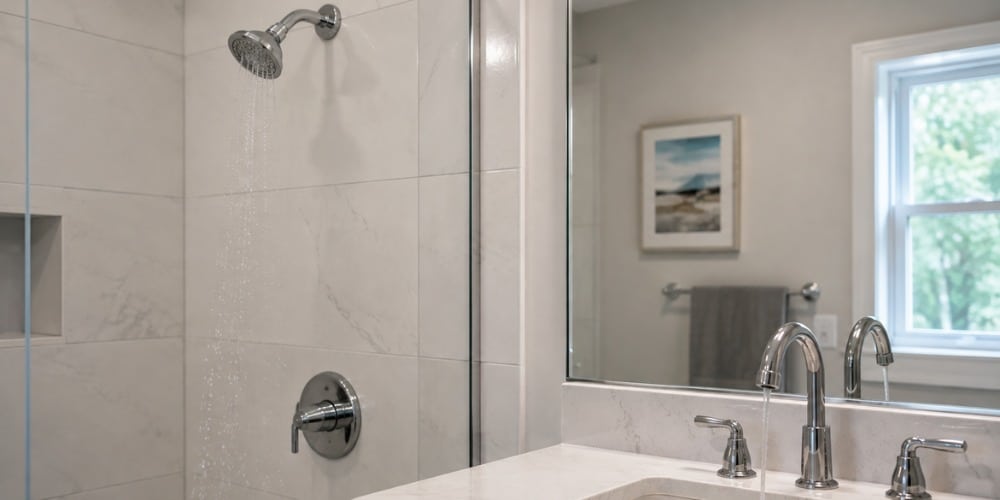
Low water pressure occurs when water moves through your pipes at a reduced flow rate. This makes everyday tasks like showering, running the dishwasher, or filling a pot frustratingly slow. The most frequent causes include corroded or clogged pipes, pressure regulator failure, municipal supply issues, and leaks in the main line. Understanding what causes low water pressure helps you identify whether the problem originates inside your home or in the underground supply line between your house and the street.
Key Takeaways
- Low water pressure stems from interior plumbing problems or issues in the underground supply line between your house and the street.
- Corroded pipes, failing pressure regulators, and partially closed shutoff valves rank among the most common culprits.
- A sudden pressure drop affecting all fixtures at once often points to a main line issue rather than a fixture problem.
- Underground pipe problems require a licensed specialist, not a general handyman or DIY approach.
- Diagnosing the root cause first saves money and prevents repeat repairs.
- Zippy Plumber handles exterior underground plumbing in Alpharetta, GA, and can identify main line issues before they escalate.
The Most Common Reasons What Causes Low Water Pressure
Understanding what causes low water pressure starts with knowing where the problem originates. Pressure issues generally fall into two categories: interior plumbing problems and exterior supply line problems. Treating one when the other is responsible becomes a costly mistake.
Corroded or Clogged Pipes Causing Low Pressure
If your home has older galvanized steel pipes, corrosion buildup on the interior walls narrows the pathway water travels through. Over time, this restriction becomes severe enough to cut flow noticeably. Additionally, mineral deposits—especially in areas with hard water—create a similar effect in both metal and plastic pipes. The buildup is gradual, so homeowners often adjust to declining pressure without realizing something is wrong. Eventually, the problem becomes significant and impossible to ignore.
Pressure Regulator Failure
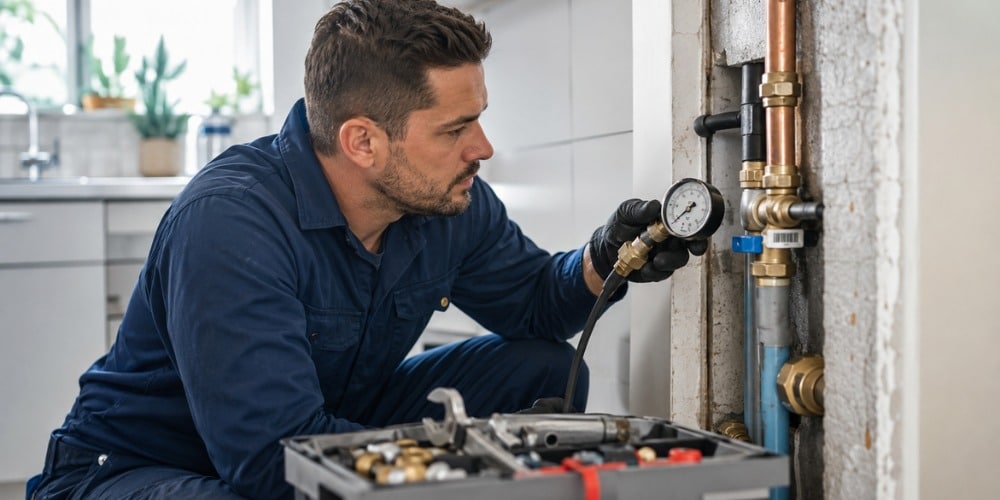
Most homes in the U.S. have a pressure regulator, sometimes called a PRV (pressure reducing valve), installed near the main shutoff. This device keeps incoming municipal water pressure within a safe range, typically between 45 and 80 PSI according to the Plumbing-Heating-Cooling Contractors Association. When the regulator fails or drifts out of calibration, pressure can drop sharply across every fixture in the house at once. Therefore, a plumber can test this quickly with a simple gauge at the hose bib.
Partially Closed Shutoff Valves
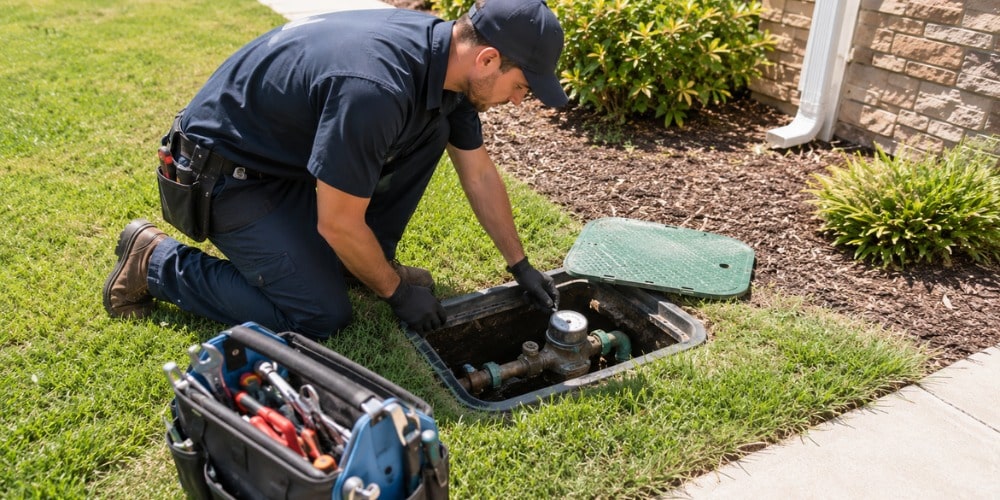
There are usually two main shutoff valves on a residential supply line. One sits at the meter, and the other is located where the line enters the building. If either valve was closed during a repair and not fully reopened afterward, flow restriction is immediate. This is one of the simplest causes to check. Moreover, it is one of the most frequently overlooked issues after recent plumbing work.
Leaks in the Main Supply Line Reducing Pressure
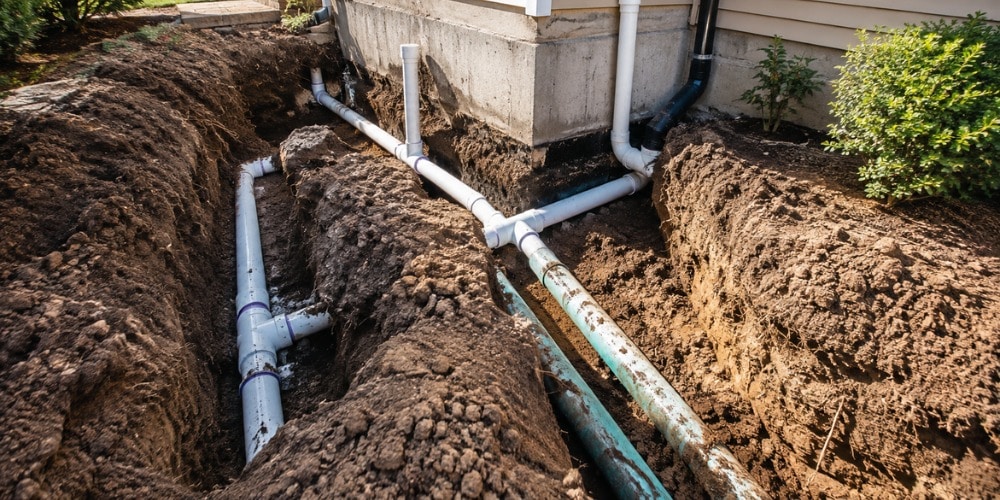
A leak in the underground supply line between the meter and your home bleeds pressure before water even reaches your fixtures. These leaks can be subtle at first. You might notice soggy patches in the yard, unexplained spikes in your water bill, or the sound of running water when no fixtures are in use. Because these leaks happen underground, they often go undetected for months. Understanding the underground plumbing pipe types alpharetta buried lines in your area matters. The pipe material affects both the likelihood of failure and the repair approach.
Municipal Supply Problems
Sometimes what causes low water pressure is not on your property at all. Water utilities regulate pressure across distribution zones, and during peak usage hours, pressure at the street can drop below normal levels. Scheduled maintenance, main breaks, or aging infrastructure can all temporarily or chronically reduce municipal supply pressure. If your neighbors report the same issue, contact your local utility first. This step saves money before spending it on internal diagnostics.
How Drain and Sewer Issues Connect to Pressure Problems Causing Low Water
It is less obvious, but drain and sewer line conditions can signal the same category of underground pipe problems that affect supply pressure. A deteriorating sewer line and a failing supply line often share causes: soil shifting, root intrusion, age, and corrosion. If you are researching sewer line repair north atlanta signs fix options, you may find that the same soil movement causing sewer damage has compromised nearby supply lines as well.
In fact, exterior underground plumbing should be assessed as a system, not as isolated fixtures. This comprehensive approach prevents missed issues.
Diagnosing Low Water Pressure: A Practical Approach
Before calling anyone, a homeowner can narrow down the cause with a few simple checks.
Start with a pressure gauge. Attach a gauge to an outdoor hose bib and open the valve fully. A reading below 45 PSI typically indicates a supply issue. A reading above 80 PSI means the regulator may be stuck open or absent.
Check all fixtures, not just one. If pressure is low at every tap simultaneously, the problem is upstream. This points to either the regulator, a shutoff valve, or the main supply line. However, if it is isolated to one fixture or one bathroom, the cause is local.
Look for visible signs outside. Walk the path your supply line takes from the street to the house. Wet or unusually green grass, soft ground, or pooling water near the meter or foundation all point to a leak in the buried section.
Review your water bill. A leak large enough to reduce pressure is also large enough to increase consumption. Therefore, compare recent bills to the same months in prior years.
| Symptom | Likely Cause | Who to Call |
|---|---|---|
| Low pressure at all fixtures | Regulator failure or main line issue | Licensed plumber |
| Low pressure at one fixture | Local clog or aerator buildup | Plumber or DIY |
| Wet patches in yard | Underground supply line leak | Underground specialist |
| High water bill, no visible leak | Hidden underground leak | Underground specialist |
| Neighbor reports same issue | Municipal supply problem | Local water utility |
Things to Know About What Causes Low Water Pressure
- Pressure below 40 PSI can prevent appliances like dishwashers and washing machines from operating correctly.
- Water pressure regulators typically last 10 to 15 years before needing replacement or recalibration.
- Root intrusion into underground supply lines is more common than most homeowners expect, especially in older neighborhoods with mature trees.
- Zippy Plumber specializes in exterior underground pipe work in Alpharetta, GA. We handle the stretch of pipe from the building to the street, not indoor fixtures.
- Diagnosing whether the problem is inside or outside the building first saves significant time and money.
Stop Guessing and Get a Professional Assessment for Low Water Pressure
If you have checked the basics and still cannot identify what causes low water pressure at your property, it is time to bring in a licensed professional. Learning how to hire a licensed drain cleaning company in alpharetta outlines the vetting process well. Additionally, many of the same criteria apply when hiring any underground plumbing specialist. Before committing to a service call, it also helps to understand drain cleaning service near me what to expect. This knowledge lets you understand what a professional visit actually involves.
Zippy Plumber serves homeowners in Alpharetta, GA, and focuses exclusively on exterior underground plumbing from the building to the street. If your pressure problem points to the buried supply line, that is exactly the scope of work we handle.
Frequently Asked Questions
Q: Can low water pressure damage my home’s plumbing over time?
Consistently low pressure itself rarely damages pipes, but it often signals an underlying problem that can.
A supply line leak or corroded pipe causing the pressure drop will worsen without repair. Leaving these issues unaddressed can lead to pipe failure, water damage, or contamination of the supply.
Q: How do I know if low water pressure is coming from the city or my own pipes?
Check with your neighbors first. If they have the same issue, the source is likely the municipal supply.
If pressure is normal at the street but low at your fixtures, the problem is on your side of the meter. A pressure gauge test at the hose bib can confirm this in minutes.
Q: Does low water pressure always mean there is a leak?
No. Low pressure has several causes that do not involve leaks, including a failing regulator or a partially closed valve.
That said, a leak in the main supply line is one of the more serious causes and should be ruled out early, especially if your water bill has increased without explanation.
Q: Can tree roots really affect water pressure?
Yes. Root intrusion into underground supply lines can restrict or block flow significantly.
Roots are attracted to moisture and will grow into even small cracks in buried pipes. Over time, they expand and can crush or fully block a line. This is especially common with clay or older cast iron pipes.
Q: How much does it typically cost to repair a main line pressure issue?
Costs vary widely depending on the cause, the pipe material, the depth of the line, and the length of pipe that needs work.
A simple valve replacement costs much less than a full main line replacement. Getting an estimate from a licensed underground plumbing specialist is the most reliable way to understand your specific situation before committing to any repair.
The Bottom Line on What Causes Low Water Pressure
Low water pressure is rarely a minor inconvenience. It points to a real condition in your plumbing system that will typically worsen without attention. Whether the source is a failing regulator, a corroded pipe, or a leak buried between your foundation and the street, identifying the specific cause before starting repairs is the only way to solve it for good.
If diagnostics point to an exterior underground issue in the Alpharetta, GA area, reach out to Zippy Plumber for a professional assessment. We specialize in exactly this type of work and can tell you clearly what is happening and what it will take to fix it.