
What’s in This Guide
Nobody types “drain cleaning service near me” into a search bar on a good day. The search usually starts with a kitchen sink that refuses to clear, a shower pooling around your ankles, or a toilet that gurgles every time the washing machine drains. You want the clog gone, but you also want to know what you are actually paying for when a technician shows up.
A professional drain cleaning visit is more structured than most homeowners expect. It follows a diagnostic sequence designed to find the real cause of the blockage, not just poke a hole through it.
Quick Facts
- Professional drain cleaning follows a set sequence: intake questions, drain location, cleanout access check, camera inspection, clog removal, confirmation video.
- Camera inspection before clearing documents, pipe material, blockage location, and line condition.
- Snaking suits localized clogs; hydro jetting strips grease, scale, and roots from pipe walls.
- Backups at multiple fixtures point to the main sewer lateral.
- Grease, wipes, and tree roots cause most sewer blockages.
Step-by-Step: What the Technician Actually Does
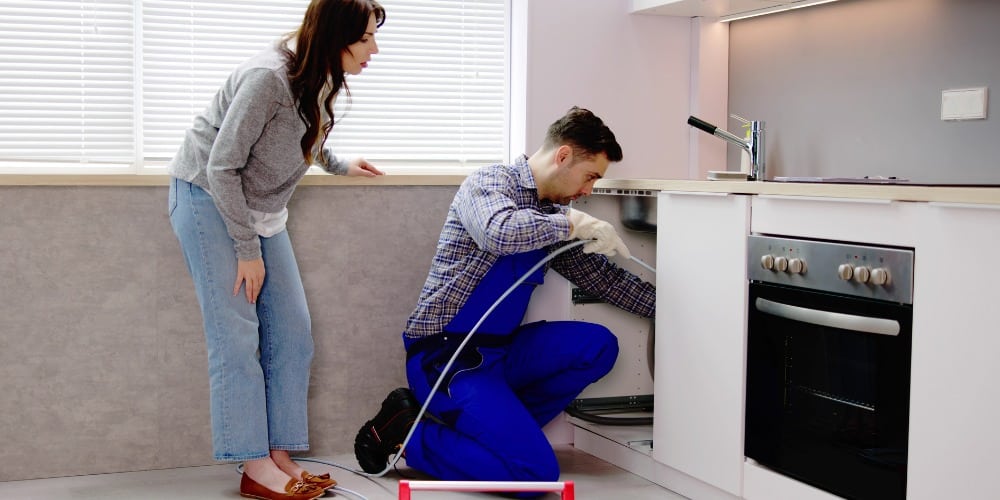
A quality drain cleaning appointment runs as a process, not a single action. Here is the sequence a thorough service follows from arrival to wrap-up.
Step 1: Intake Questions
The visit starts with a short conversation. Expect questions like: Which fixtures are affected? When did the problem start? Has this happened before? Have you tried clearing it yourself? Honest answers here save time, because the pattern of affected fixtures usually reveals whether the blockage sits in a branch line or the main lateral.
Step 2: Locating the Affected Drain
The technician traces the problem to a section of the system. A single slow bathroom sink points to its branch line. Whole-house drainage trouble points to the main line running from the building to the street. This step determines where the equipment goes in.
Step 3: Checking Cleanout Access
A cleanout is a capped access point that lets equipment enter the line directly without going through a fixture. The technician locates it, confirms the cap opens, and checks the line’s direction from that point. Properties without an accessible cleanout can still be serviced, though a cleanout installation is often recommended afterward to make future drain inspection and maintenance faster and less invasive.
Step 4: Camera Inspection
Before anything gets cleared, a waterproof camera travels through the line. The drain inspection documents the pipe material, the exact location and depth of the blockage, and the overall condition of the line.
This is the step that separates diagnosis-first companies from clear-and-leave operations. Underground plumbing specialists serving Alpharetta and the surrounding North Atlanta area typically record this footage with measurements and written notes, so you see the evidence rather than taking anyone’s word for it.
Step 5: Clog Removal by Snaking or Hydro Jetting
The camera findings determine the clearing method:
- Snaking or cabling drives a rotating cable through the blockage. It works well for localized clogs, single obstructions, and pipes that need a gentler mechanical approach.
- Hydro jetting sends high-pressure water through a directional nozzle that scours the full interior of the pipe. It removes grease, scale, sludge, and root intrusion from the pipe wall rather than opening a channel through the middle.
That full-wall approach matters for roots, which U.S. Forest Service research reports cause more than half of all sewer line blockages, with smaller residential pipes often needing root removal every year or two. Jetting pressure is matched to the pipe material identified on camera.
Step 6: Confirmation Video
After clog removal, the camera goes back in. The post-clearing pass confirms the line is open end to end and documents the pipe’s true condition now that buildup is out of the way. Sometimes this second look reveals damage the blockage was hiding, such as a cracked section or an offset joint. You should receive that footage along with the findings.
Step 7: Prevention Guidance
The visit ends with specific recommendations based on what the camera showed. That may include disposal habits to change, a suggested maintenance interval, or a heads-up about pipe conditions worth monitoring. Good guidance is specific to your line, not a generic handout.
What Affects the Cost of a Drain Cleaning Visit?
Drain cleaning costs vary from property to property, and any company quoting a firm price before seeing the line is guessing. The final estimate depends on factors specific to your home and the blockage itself.
Expect these variables to shape the number:
- Location of the blockage. A branch line clog near a fixture involves less work than a restriction deep in the main lateral.
- Clearing method required. Snaking a localized clog and hydro jetting a full lateral are different scopes of work.
- Access conditions. An existing, functional cleanout speeds everything up. Missing or buried access adds time.
- Severity and cause. Soft grease clears faster than an established root mass or heavy scale.
- Line length and pipe condition. Longer runs and fragile pipe materials require more careful, time-intensive work.
- Urgency. Emergency response during an active backup differs from a scheduled maintenance visit.
Signs You Need Professional Drain Cleaning
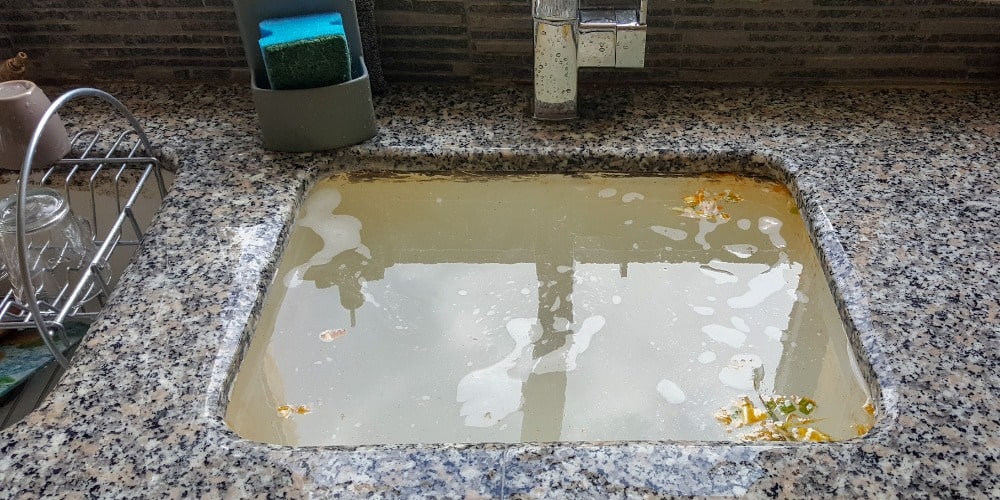
One slow fixture usually means a localized clog. Several slow fixtures, recurring backups, or drainage problems that return after DIY attempts point to a deeper restriction in the main line. Recognizing the difference tells you whether a plunger will help or whether the problem sits underground.
Watch for these patterns:
- Multiple slow drains at once. When the kitchen sink, tub, and toilet all struggle together, the shared main line is the likely restriction point.
- Backups at the lowest fixture. Wastewater seeking the lowest exit, such as a basement floor drain or ground-floor shower, signals a main line blockage.
- Gurgling sounds. Air trapped by a partial blockage escapes back through nearby fixtures, especially when large volumes of water move through the line.
- Recurring clogs in the same drain. A clog that returns after snaking suggests the cable punched through the obstruction without removing what caused it.
- Sewer odors near drains or in the yard. Persistent smells can indicate waste sitting in a restricted or damaged line rather than flowing through it.
- Soggy patches over the sewer line path. Ground that stays wet without rain may mean wastewater is escaping the pipe underground.
➤ YOU MIGHT ALSO LIKE: Signs Your Buried Water Line in Alpharetta Needs Attention
When to Call a Professional for Sewer Line Drain Cleaning
The Same Clog Keeps Coming Back
A drain that clears for a while and then slows again usually has something deeper going on. Repeat clogs often mean the underlying buildup was never fully removed, and professional sewer line drain cleaning addresses the cause instead of the surface problem.
Multiple Fixtures Back Up at Once
When sinks, tubs, and toilets struggle at the same time, the trouble likely sits in the main line they all share. That section of pipe is beyond the reach of household tools and calls for professional equipment.
Household Methods Stop Working
Plungers, store-bought cleaners, and rented cables can only do so much. Chemical products may sit in a blocked line and stress older pipe, while a rental cable can open a narrow channel without clearing what caused the blockage. When these options fail or the results do not last, it is time for a professional visit.
Warning Signs Appear Beyond the Drain
Gurgling fixtures, sewer odors, or damp spots in the yard suggest the issue has moved past a simple clog. These conditions are worth a camera inspection before they develop into something larger.
Before a Partial Problem Becomes a Full Backup
A slow line handled during a scheduled visit is a manageable maintenance task. The same line ignored can turn into a backup inside the home, with cleanup and damage that cost far more than the service call. Acting early keeps the situation on your terms.
Frequently Asked Questions
How long does a professional drain cleaning visit take?
Visit length depends on the blockage location, the clearing method, and access conditions. A localized clog with good cleanout access wraps up faster than a full main line jetting. The camera inspection at the start of the visit gives the technician enough information to set a realistic expectation before work begins.
Is hydro jetting safe for older pipes?
Hydro jetting is safe when the pipe condition is confirmed first. That is exactly why the camera goes in before the jetter. Pressure settings are matched to the pipe material, and if the camera shows the pipe is too deteriorated for jetting, a different approach is recommended instead.
Do I need a cleanout for drain cleaning service?
A cleanout is not required, but it makes every service call faster, cleaner, and less invasive. Properties without one can have a cleanout installed, which pays off across every future inspection and cleaning.
What should I keep out of my drains after a cleaning?
Keep fats, oils, and grease out of the kitchen sink, even with hot water running. Skip wipes of every kind, including those labeled flushable, along with paper towels and hygiene products. Grease and wipes are two of the most common causes of the blockages that bring technicians back.
How often should drains be professionally cleaned?
There is no universal schedule. The right interval depends on your pipe material, tree coverage, household habits, and what the last camera inspection showed. Lines with a history of root intrusion or grease accumulation benefit from more frequent service than newer PVC in an open yard.
Get Clear Answers About Your Drain Line
Slow drains, recurring clogs, and backups are easier to address when the problem is visible. Zippy Plumber provides camera-first drain cleaning for underground drain lines across Alpharetta and the North Atlanta area, helping customers understand what is happening before service begins.
Each visit starts with a sewer camera inspection, followed by the right clearing method for the pipe material and blockage type. After service, a confirmation video helps show the condition of the line.
Call us or request a visit online to schedule drain cleaning.