
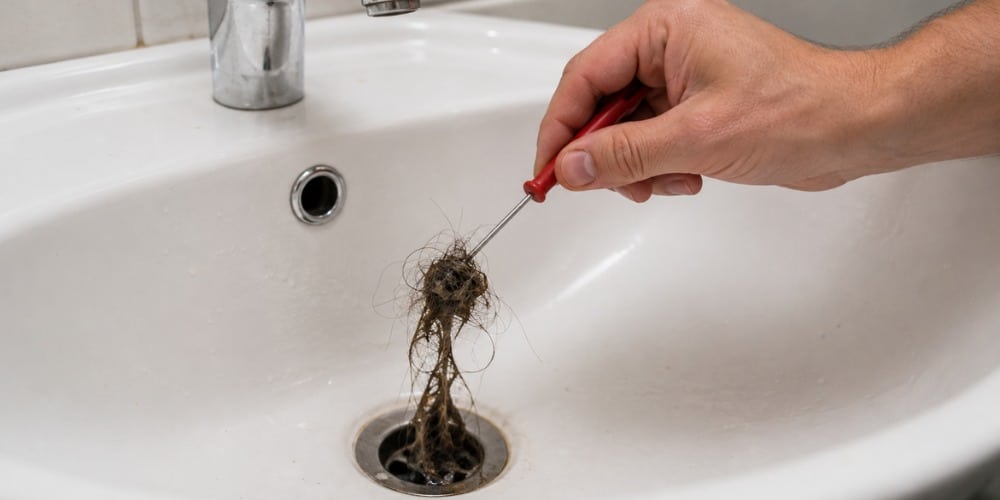
A bathroom sink clog fix comes down to identifying what’s blocking the drain. Then you match the right method to that specific obstruction. Most clogs sit within the first few feet of pipe and respond to simple DIY techniques. However, some signal a deeper plumbing issue that no amount of drain cleaner will solve.
Why Bathroom Sinks Clog Where They Do
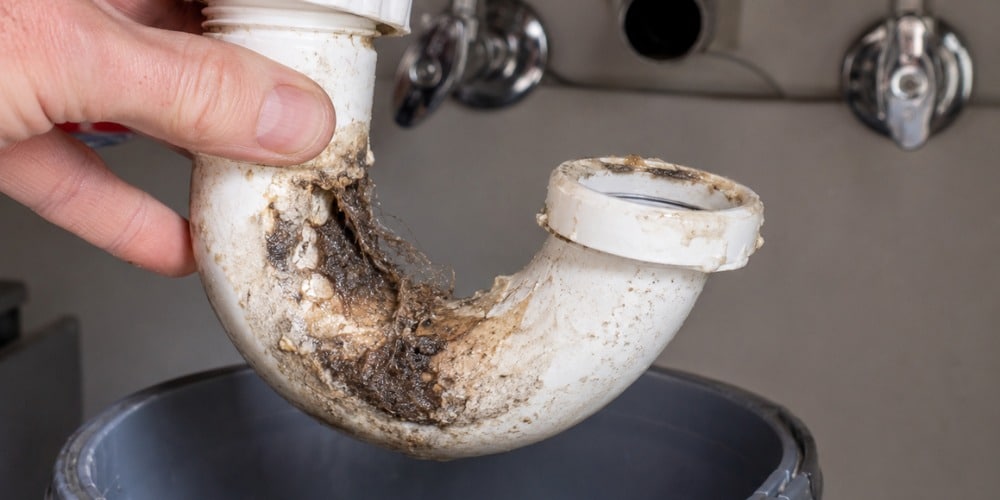
Bathroom sinks are among the most frequently clogged fixtures in any home. The location of the blockage is almost always predictable. Unlike kitchen drains that deal with grease and food debris, bathroom sink drains collect a specific combination of materials. Hair, soap scum, toothpaste residue, and skin oils accumulate together. Over time, these substances bind around the drain stopper and inside the P-trap, the curved pipe section directly beneath the sink basin.
The P-trap is intentionally shaped to hold water. This prevents sewer gases from entering your living space. That same curve also catches debris. A partial clog here means water drains slowly. A full blockage means water stands completely still in the basin. Neither is comfortable to live with. Fortunately, both are fixable with the right approach.
What most homeowners miss is that the drain stopper itself is often the primary culprit. The pop-up stopper mechanism collects hair on its underside pivot rod. Cleaning that component alone resolves a surprisingly high percentage of slow drain complaints. No additional tools are needed.
Ranking the DIY Methods That Actually Work
Not every DIY fix is worth your time. Some are genuinely effective. In contrast, others create the illusion of progress while pushing debris further into the line.
Remove and Clean the Drain Stopper First
Pull the stopper straight up. Some unscrew counterclockwise. Inspect the underside carefully. The pivot rod—the horizontal bar attached to the stopper beneath the sink—collects hair like a filter. Removing the stopper takes under five minutes. Clearing the debris and reinstalling it works immediately on hair-based clogs. This is always the first step.
Manual Removal with a Drain Snake or Zip-It Tool
A plastic drain hair clog remover tool, often called a Zip-It, costs under $5 at any hardware store. It physically hooks hair out of the drain. This approach is more reliable than chemical solutions. You remove the actual material rather than attempting to dissolve it. For clogs deeper than the stopper but still in the upper drain section, a hand-cranked drain snake (also called a drain auger) reaches further. It breaks up or retrieves the obstruction.
Boiling or Hot Water Flush
Hot water can soften soap scum accumulation in mild cases. Pour near-boiling water slowly down the drain in two or three stages. Let it work between pours. This is more of a maintenance technique than a clog fix. However, for very fresh, soap-based partial blockages, it can restore flow without any tools.
Baking Soda and Vinegar
This combination is widely recommended. Its effectiveness is limited, though. The fizzing reaction agitates debris and may clear very minor blockages or deodorize the drain. It does not dissolve compacted hair. Use it as a follow-up after physical removal. It is not a primary fix.
Plunging the Sink
A cup plunger creates pressure that can dislodge soft clogs. First, cover the overflow drain with a wet rag to seal the pressure. The overflow drain is the small hole near the top of the basin. Plunge with firm, even strokes. If water begins moving after several attempts, follow with hot water. This flushes residual debris. If nothing moves after 10 to 12 strokes, the clog is likely compact. It will require a snake or P-trap inspection.
Cleaning the P-Trap
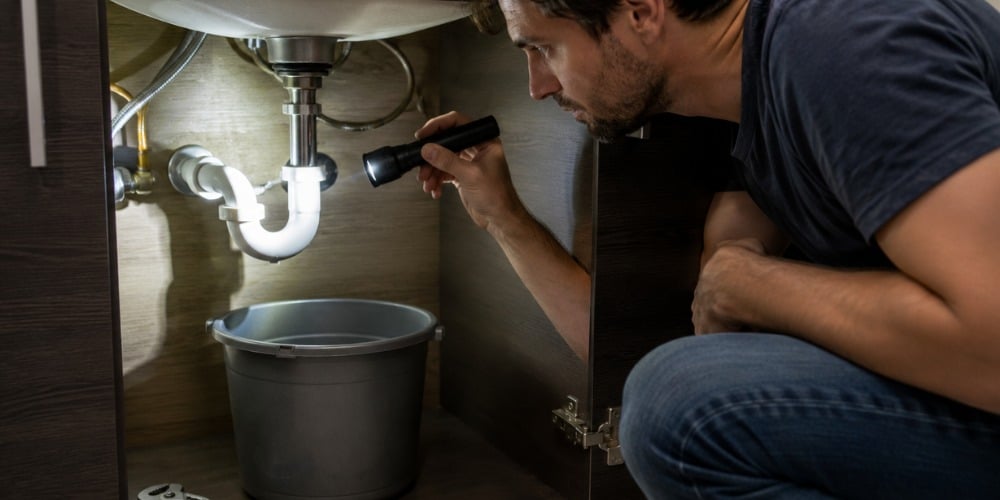
Place a bucket under the curved pipe beneath your sink. Unscrew the slip-joint nuts by hand. Use channel-lock pliers if they are tight. Lower the P-trap into the bucket and clean it out. This is the most reliable DIY fix for full blockages. It directly accesses the most common clog location. Reinstall and run water. Check for leaks at the joints.
Chemical Drain Cleaners: Use With Caution
Liquid drain cleaners are marketed as easy fixes. However, they come with real trade-offs. Most formulas use sodium hydroxide (lye) or sulfuric acid to dissolve organic material. They can be effective on soft, grease-based clogs. They are largely ineffective on dense hair compactions, which tend to coat rather than dissolve quickly.
The more significant concern is pipe compatibility. Older homes may have cast iron or even clay drain pipes. Many properties in the Atlanta metro area were built before the 1980s. Harsh chemical cleaners can accelerate corrosion in older metal pipes. In some cases, they warp PVC if left sitting too long. The Environmental Protection Agency (EPA) notes that many chemical drain cleaners contain compounds that irritate skin, eyes, and mucous membranes. They must be handled with protective gear.
Use chemical cleaners only as a last resort before calling a professional. Never mix brands or use them immediately after a failed attempt with another product. Chemical reactions between different formulas in a confined space can be dangerous.
When DIY Stops Being the Right Call
A bathroom sink clog fix becomes a professional job under several specific conditions. If you have cleared the stopper, snaked the drain, and cleaned the P-trap without restoring flow, the blockage is likely further down the drain line. It is probably past the branch line connecting your sink to the main stack. At that point, a professional-grade drain machine is required. These typically have 50 to 100 feet of cable to reach deeper blockages.
Multiple slow drains across different fixtures simultaneously signal a main drain or sewer line problem. For example, your bathroom sink and your tub or toilet draining slowly at the same time point to a bigger issue. This distinction matters because a sewer line issue will not be solved by snaking the bathroom drain. If you are noticing these broader symptoms, reviewing sewer line repair north atlanta signs fix options can help. You will understand whether the problem extends below ground, where professional assessment is essential.
Foul odors coming from the drain even after cleaning may also indicate sewer gas infiltration. This could stem from a compromised trap or a deeper line issue, not just a surface clog.
What to Expect When You Hire a Drain Cleaning Professional
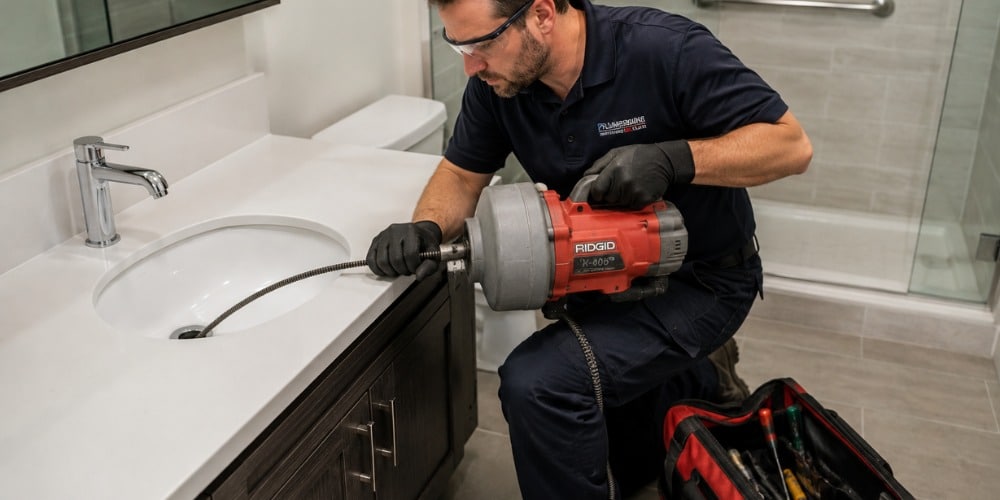
For stubborn or recurring clogs that do not respond to DIY methods, professional drain cleaning is the next logical step. A licensed plumber will typically use a motorized drain auger or hydro-jetting equipment. The choice depends on the severity of the blockage.
Hydro-jetting uses high-pressure water to scour the interior walls of the pipe. It is particularly effective on years of built-up soap scum and grease. It is more thorough than mechanical snaking and leaves the pipe cleaner for longer. Before choosing a service provider, reading about drain cleaning service near me what to expect helps. You will understand the process, pricing range, and what questions to ask before anyone touches your pipes.
If you are based in the Alpharetta or North Atlanta area and need to vet a professional, the guidance on how to hire a licensed drain cleaning company in alpharetta covers what licensing and insurance credentials to verify. Review these before signing a service agreement.
Recurring Clogs: The Bigger Picture
A bathroom sink clog that keeps coming back after repeated cleaning is telling you something important. Recurring clogs in an otherwise well-maintained drain usually mean one of three things. The drain stopper and pivot rod mechanism needs replacement. The pipe has developed a partial restriction from corrosion or scale buildup. Or the drain line pitch (angle) has shifted.
Pipe pitch is often overlooked. Drain pipes are installed at a specific downward angle. Typically, they drop 1/4 inch per foot of horizontal run. This allows gravity to move waste efficiently. If the pipe has settled or shifted due to soil movement or foundation changes, water may pool in low spots. This creates chronic partial blockages. It is more common in older homes and homes where exterior soil movement is a factor.
For homes where repeated interior drain problems coexist with slow drainage across the whole system, understanding your interior plumbing connection matters. Different underground plumbing pipe types alpharetta buried lines affect how well your overall system drains. Older buried materials may contribute to system-wide sluggishness.
A Comparison of Bathroom Sink Clog Fix Methods
| Method | Best For | DIY-Friendly | Cost Range | Effectiveness on Hair |
|---|---|---|---|---|
| Stopper & pivot rod cleaning | Hair at drain entry | Yes | $0 | High |
| Zip-It / drain hair tool | Shallow hair clogs | Yes | Under $5 | High |
| Plunging | Soft, partial blockages | Yes | Under $15 | Moderate |
| P-trap cleaning | Full blockages at curve | Yes (moderate skill) | $0 | Very High |
| Hand-crank drain snake | Blockages 0-15 ft deep | Yes | $20-$50 | High |
| Chemical drain cleaner | Grease/soap clogs | Yes (with caution) | $10-$20 | Low |
| Professional auger/snake | Deep or stubborn clogs | No | $100-$250+ | Very High |
| Hydro-jetting | Buildup over years | No | $300-$600+ | Very High |
Cost ranges above are general market estimates for residential service in the United States. They will vary by region and provider.
Preventing the Next Clog Before It Starts
Once you have resolved a bathroom sink clog fix, simple habits significantly reduce how often you will face the same problem. A mesh drain screen sits over the stopper and catches hair before it enters the drain. These cost under $5 and are the single most effective preventive measure available. Remove and clean them weekly.
Running hot water for 30 seconds after each sink use helps flush residual soap and toothpaste. This prevents them from settling inside the P-trap. Monthly, pour a kettle of near-boiling water down the drain to soften any minor accumulation. These two habits, combined with a drain screen, reduce most bathroom sink clog incidents significantly. No chemical intervention is needed.
If you share a bathroom with multiple household members, especially those with longer hair, adding a monthly drain snake check is practical. Make it part of your regular home maintenance schedule. Catching a partial restriction early is always easier and less expensive than clearing a full blockage.
Things to Know
- The pop-up drain stopper and its pivot rod are the most overlooked components in any bathroom sink clog fix. Cleaning them takes under five minutes and resolves a large share of slow-drain complaints before any tools or products are needed.
- Chemical drain cleaners do not dissolve hair effectively. Most formulations are designed for grease and soap-based blockages. Using them on a hair clog often coats the obstruction without removing it. Repeated applications can damage older pipe materials over time.
- If more than one fixture in your home is draining slowly at the same time, the problem is almost certainly not a single sink clog. Simultaneous slow drains across different rooms point to a main drain or sewer line issue that requires professional diagnosis.
- Drain pipe pitch matters more than most homeowners realize. If your bathroom sink clogs repeatedly after being cleared, the drain line angle may have shifted due to soil settling or foundation movement. This causes water to stall in low spots rather than flow freely toward the stack.
- Never mix chemical drain cleaners from different brands or manufacturers. Different formulations can react dangerously in a confined pipe space, producing heat, pressure, or harmful fumes.
- Mesh drain screens are the most cost-effective prevention tool available. At under $5 each, they catch hair before it enters the drain and can eliminate most bathroom sink clogs entirely when cleaned weekly.
Key Takeaways
- Most bathroom sink clogs form at two predictable points: the drain stopper assembly and the P-trap. Addressing these two locations first resolves the majority of blockages without calling a professional.
- Physical removal of debris using a Zip-It tool, drain snake, or direct P-trap cleaning is consistently more effective than chemical solutions for hair-based clogs.
- Chemical drain cleaners carry real risks for older pipes and are largely ineffective on compacted hair. Use them sparingly and only as a last resort before seeking professional help.
- Multiple slow drains occurring at the same time signal a main line or sewer issue, not a fixture-level clog. This requires a different type of intervention entirely.
- Recurring clogs after repeated cleaning suggest a structural issue with the pipe. Corrosion, scale buildup, or a shift in drain line pitch are common causes, rather than a simple maintenance problem.
- Simple preventive habits, including a drain screen, weekly cleaning, and monthly hot water flushes, can dramatically reduce how often you face a bathroom sink clog fix situation.
Stop Fighting the Same Clog Every Few Weeks
If your bathroom sink keeps backing up despite your best efforts, the problem may be further down the line than any DIY method can reach. At Zippy Plumber, we specialize in underground plumbing diagnostics and exterior pipe work serving Alpharetta and the North Atlanta area. While we do not perform indoor fixture repairs, we can help identify whether a recurring interior drain problem connects to a deeper underground issue. It may affect your entire system. Schedule your underground plumbing assessment today and get a clear picture of what your pipes are actually dealing with.
Frequently Asked Questions
Q: What is the fastest way to unclog a bathroom sink at home?
The fastest method is removing and cleaning the drain stopper and its pivot rod, which resolves most hair-based clogs in under five minutes.
Pull the stopper straight up or unscrew it counterclockwise. Clear the hair and soap buildup from the stopper body and the pivot rod beneath the sink. If water still drains slowly after that, insert a Zip-It drain tool to pull out any remaining debris just inside the drain opening. These two steps together handle the majority of common bathroom sink clogs without any additional tools or products.
Q: Can I use a plunger on a bathroom sink, and will it actually work?
Yes, a cup plunger can work on bathroom sink clogs, but only if you seal the overflow drain first and the blockage is soft enough to dislodge with pressure.
Cover the small overflow hole near the top of the basin with a wet cloth to prevent air from escaping. Then plunge with firm, steady strokes. If the clog is a loose accumulation of hair and soap, the pressure may shift or break it up enough to restore flow. For compacted hair blockages or debris lodged in the P-trap, plunging is generally ineffective. You will need to move to a drain snake or P-trap removal.
Q: How do I know if my bathroom sink clog is a sign of a bigger plumbing problem?
If multiple fixtures in your home are draining slowly at the same time, or if you hear gurgling sounds from other drains when your sink runs, the issue likely extends beyond the sink itself.
A single slow drain is almost always a localized fixture clog. However, when your bathroom sink, tub, and toilet are all sluggish simultaneously, or when flushing the toilet causes water to bubble up in the sink, the blockage is typically in the shared drain stack or the main sewer line. At that point, clearing the bathroom sink drain alone will not fix the problem. A professional inspection of the main line is the appropriate next step.
Q: Is it safe to use chemical drain cleaners regularly to prevent clogs?
No. Regular use of chemical drain cleaners is not recommended as a preventive measure and can cause cumulative damage to your pipes over time.
The EPA classifies many common drain cleaning chemicals as hazardous household substances due to their corrosive properties. In older homes with cast iron or corroded drain pipes, repeated exposure to lye or acid-based cleaners can accelerate pipe degradation. For prevention, a mesh drain screen and a monthly hot water flush are safer and more effective long-term strategies. Reserve chemical cleaners for occasional use only. Always follow the manufacturer’s instructions regarding contact time and ventilation.
Q: When should I stop trying DIY fixes and call a licensed plumber for a sink clog?
Call a plumber when you have cleared the stopper, snaked the drain, and cleaned the P-trap without restoring normal flow, or when the same clog returns within a few weeks of being cleared.
Persistent or recurring clogs that do not respond to standard DIY methods indicate that the blockage is either deeper in the drain line than a hand snake can reach. Alternatively, there may be an underlying pipe condition such as buildup, corrosion, or a shifted line angle. This contributes to the problem. A licensed plumber has motorized auger equipment and, if necessary, camera inspection tools. These locate and address the true source. Waiting too long and continuing to use chemical products in the meantime can complicate the repair.