
What’s In This Guide
- Why Recurring Clogs Come Back
- Why a Recurring Clog Is More Than an Annoyance
- What’s Actually Clogging the Line: Grease, Roots, Scale, and Shifting Soil
- Temporary Fix vs. Permanent Fix: Why Snaking the Same Drain Keeps Failing
- How Professionals Diagnose a Recurring Clog Before Recommending a Repair
- What Affects the Cost and Timeline of Fixing a Recurring Clog
- When a Recurring Clog Means It’s Time to Call a Professional
- Frequently Asked Questions
- Ready to Stop the Cycle for Good?
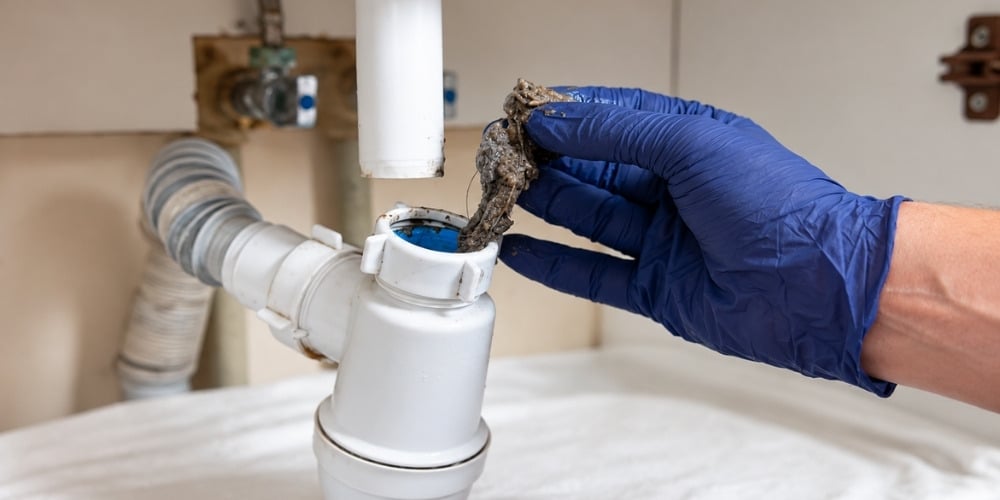
If searching for drain cleaning nearby has become a frequent routine this year, the plunger and store-bought gel probably bought you a few days, not a real fix. A drain that clears and clogs again within weeks may be telling you something the snake cannot fully address. In Alpharetta, GA, that pattern may trace back to a branch line or the underground sewer line rather than the fixture where the water is backing up.
Quick Facts
- Clogs returning within weeks can indicate recurring issues such as root intrusion or grease buildup that standard snaking may not fully clear.
- Sewer camera inspection reveals cracks and blockages invisible from above.
- Alpharetta’s clay-heavy soil can shift over time, potentially affecting underground pipe alignment.
- Hydro jetting can clear tough grease buildup and roots when appropriate for the pipe’s condition.
- Multiple backed-up drains at once usually indicate a main line problem.
Why Recurring Clogs Come Back
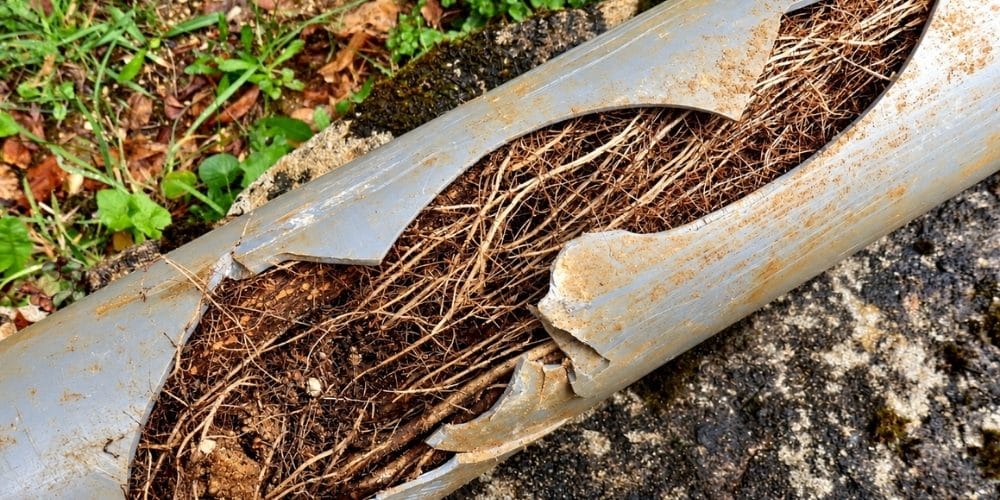
A drain that clogs again after snaking or chemical treatment usually has an underlying problem further down the line, such as root intrusion, grease buildup, mineral scale, or a pipe section that has shifted out of alignment. Temporary clearing may restore flow without fully addressing the underlying cause, allowing the clog to rebuild and return over time.
Why a Recurring Clog Is More Than an Annoyance
A single slow drain is often just an isolated issue. A drain that keeps backing up, or several drains slowing down together, points to a shared line problem that will not resolve on its own. Left alone, a recurring clog can lead to:
- Sewage backups into tubs, showers, or floor drains during heavy use
- Wet spots or soft ground in the yard from a leaking or cracked section
- Wastewater leaking into surrounding soil if the sewer line is cracked or damaged
- Odor issues as waste sits and breaks down in a partially blocked pipe
- More expensive repairs if a small crack widens into a collapsed or crushed section
The Environmental Protection Agency notes that inappropriate materials sent to the sewer system and tree roots entering through defects or openings in a sewer line are both common causes of blockages that lead to sanitary sewer overflows. When buildup or a compromised pipe remains unresolved, repeated blockages can occur.
What’s Actually Clogging the Line: Grease, Roots, Scale, and Shifting Soil
Common causes of recurring clogs include grease buildup, root intrusion, mineral scale, and pipe movement, and each can appear differently during a camera inspection.
Grease and Cooking Fat Buildup
Fats, oils, and grease harden as they cool and coat the inside of the pipe wall, narrowing the channel a little more with every wash cycle. Kitchen drains are the usual entry point, but the buildup often collects well past the trap, further down the branch line.
Root Intrusion
Roots do not force their way into a sound pipe. They follow moisture through a joint, hairline crack, or connection point that already has a defect, then expand once inside. A leaking or cracked sewer pipe typically exists before tree roots exploit it, which is why root problems tend to reappear in the same spot even after cutting.
Mineral Scale
Hard water and ground minerals can build a rough, crusted layer inside older cast iron and clay pipes. That texture catches paper, grease, and debris, turning a smooth pipe into one that snags everything passing through it.
Ground Movement
Alpharetta’s clay-heavy soil expands and contracts with moisture changes throughout the year. That shifting can gradually move pipe sections out of alignment, creating a low spot, or belly, where waste and water pool instead of draining. It is a quiet failure pattern: nothing looks wrong above ground until backups start showing up predictably.
Temporary Fix vs. Permanent Fix: Why Snaking the Same Drain Keeps Failing
| Approach | What It Does | What It Misses |
|---|---|---|
| Plunging | Dislodges some nearby fixture blockages and restores flow | Does not reach deeper branch-line or sewer-line problems |
| Chemical drain cleaner | Breaks down soft buildup near the surface | Can damage older pipes and does not remove roots or scale |
| Cable snaking | Opens a pathway through an immediate obstruction | May leave grease residue, tree root masses, or scale along pipe walls |
| Camera-guided diagnosis | Provides visual confirmation of condition and blockage location | Does not clear the blockage or repair structural damage |
| Hydro jetting | Uses high-pressure water to flush debris, grease, and heavy buildup | Does not repair cracks, displaced joints, bellies, or collapsed sections |
A snake or plunger may restore flow without fully removing grease buildup, root intrusion, or a structural problem such as a low spot holding water. When the underlying cause remains, the same drain may clog again on a similar timeline.
How Professionals Diagnose a Recurring Clog Before Recommending a Repair
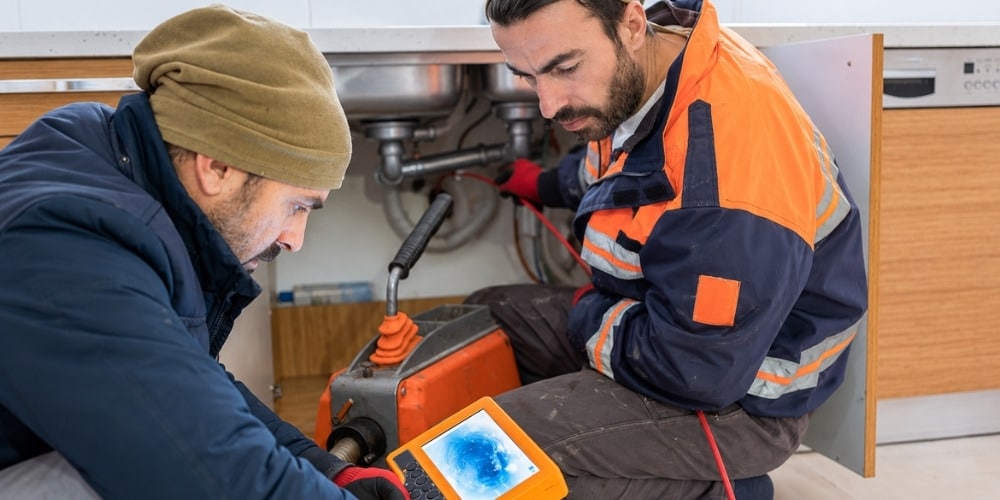
Plumbing jobs involving recurring clogs often start with a sewer camera inspection to see what is happening inside the pipe before a cleaning or repair decision is made. Depending on what the inspection finds, the process may include the following steps:
1. Camera Inspection
A waterproof camera is fed through the line to locate cracks, root intrusion, scale buildup, or misaligned sections.
2. Documentation
Findings may be documented with video, measurements, or written notes to help confirm the cause and location of the problem.
3. Hydro Jetting, When Appropriate
High-pressure water can remove grease buildup, root intrusion, and scale from the pipe interior more thoroughly than standard cable snaking when the pipe’s condition makes hydro jetting appropriate.
4. Follow-Up Assessment
If a crack, belly, or structural defect is found, the technician reviews repair options, including trenchless methods, before any excavation begins.
5. Repair Recommendation
The technician explains which repair method fits the condition of the pipe, site access, and extent of the damage, then outlines the expected scope, cost factors, and next steps.
6. Access Planning
The technician identifies the safest and most practical way to reach the damaged section, taking landscaping, driveways, depth, and nearby utilities into account.
7. Utility Locating
Before any open-cut excavation, a locate request is submitted through Georgia 811’s utility locate process so affected utility owners or operators can locate and mark covered underground facilities before digging begins.
8. Final Scope Confirmation
The homeowner receives a clear explanation of the recommended work, expected timeline, and any preparation needed before the repair is scheduled. READ MORE: Drain Clearing Services Near Me: Hydro Jetting vs. Snaking Explained
What Affects the Cost and Timeline of Fixing a Recurring Clog
There is no single fixed price for clearing a recurring clog, because the right fix depends on the cause and condition of the line. Costs for diagnosis, cleaning, and repair typically vary based on:
- The scope of work and how far the blockage extends into the line
- Site conditions, including soil type and yard layout
- Pipe material and age
- Access, such as depth, landscaping, driveways, or hardscape near the line
- Whether trenchless repair or a small open-cut section is the better fit
- Urgency and scheduling needs
For recurring clogs, a sewer camera inspection can help show what is causing the blockage so you can evaluate appropriate cleaning or repair options.
When a Recurring Clog Means It’s Time to Call a Professional
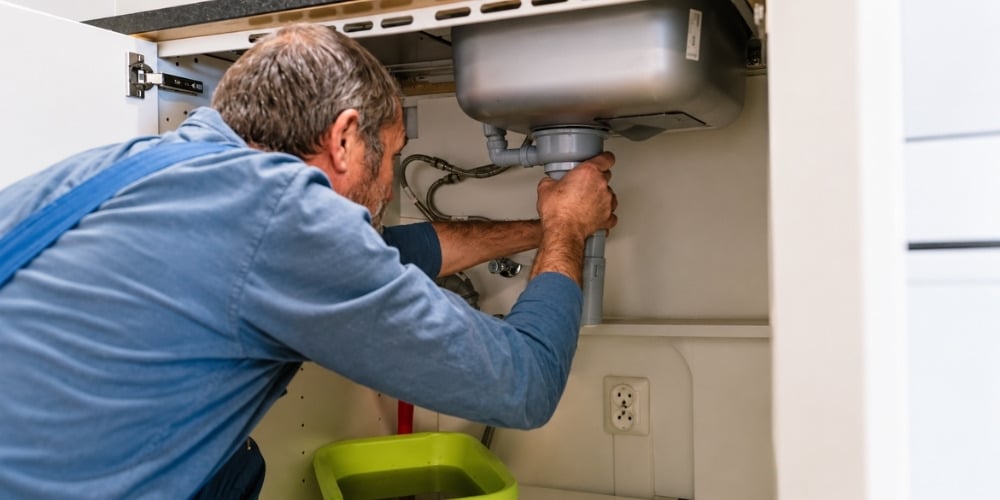
Some clogs are a one-time inconvenience. Others are a pipe problem revealing itself early. Contact a professional when you notice:
- The same drain clogging again within weeks of clearing it
- Multiple drains slowing down or backing up around the same time
- Gurgling sounds from toilets or drains when another fixture is used
- Sewage odors that return even after cleaning
- Wet, soft, or unusually green patches in the yard along the line’s path
- Water backing up into a tub or shower when another fixture is used
When open excavation is required, trenching work should comply with applicable OSHA trenching and excavation requirements, including required protections against cave-in hazards.
Frequently Asked Questions
How is a recurring clog different from a one-time clog?
A one-time clog may result from debris temporarily blocking a fixture or branch line and may disappear once the obstruction is completely cleared. A recurring clog returns because something continues to restrict flow, such as buildup, root intrusion, pipe damage, or another condition that has not been corrected.
Is hydro jetting safe for older pipes?
It depends on the pipe’s material and overall condition. A plumber may inspect the line first to determine whether the pipe can safely withstand hydro jetting or whether another cleaning or repair method is more appropriate.
Does a recurring clog always mean the sewer line needs to be replaced?
No. Some recurring clogs can be resolved by thoroughly clearing grease, scale, roots, or other buildup. Replacement or structural repair may be necessary when an inspection finds significant cracking, collapse, misalignment, or another defect that cleaning alone cannot correct.
Can a drain clog come back after hydro jetting?
Yes, particularly if the buildup was only part of the problem. Hydro jetting can remove material from the inside of a pipe, but it does not repair cracks, displaced joints, bellies, or other structural defects that can cause debris to collect again.
Can a recurring clog affect only one drain?
Yes. A recurring problem can be limited to a branch line serving one fixture or part of the home. When several fixtures begin backing up or draining slowly at the same time, the problem is more likely to involve a shared drain or main sewer line.
Ready to Stop the Cycle for Good?
If the same drain keeps backing up no matter how many times it gets cleared, the underlying cause is still present. Zippy Plumber diagnoses recurring clogs in underground drain and sewer lines with camera inspection first, so the repair matches what is actually happening in the line. Call us today or book your inspection online to address the underlying cause of your recurring underground drain issues.