
What’s In This Guide
- Why a Local Drain Cleaning Service Starts With a Camera
- Why Skipping the Camera Step Costs Homeowners More Over Time
- What Sewer Camera Inspections Actually Reveal
- How a Sewer Camera Inspection Works, Step by Step
- What Affects the Cost and Timing of Camera-Guided Drain Service
- When to Call a Professional for Drain Cleaning Near You
- Frequently Asked Questions
- Ready to See What’s Really Going On in Your Line?
A slow drain that clears with a plunger one week and backs up again the next is not solved; it is postponed. Homeowners searching for a drain cleaning service near them are usually past the point of a quick fix and dealing with repeat blockages, gurgling drains, or a foul odor that will not go away. Cleaning the line without knowing why it clogged treats only the blockage, not the underlying condition of the pipe.
Quick Facts
- Camera inspection identifies root intrusion, offsets, bellies, grease, scale, and collapsed sections before any repair decision.
- Cleaning alone may not prevent recurring blockages if the pipe itself is cracked, misaligned, or structurally compromised.
- Alpharetta’s expansive clay soil can shift underground pipes over time, making video verification useful for local homeowners.
- Before mechanized excavation, Georgia law generally requires submitting a locate request through Georgia 811, subject to limited exceptions.
- Repeat backups in the same drain line warrant a professional camera inspection rather than another cleaning cycle.
Why a Local Drain Cleaning Service Starts With a Camera
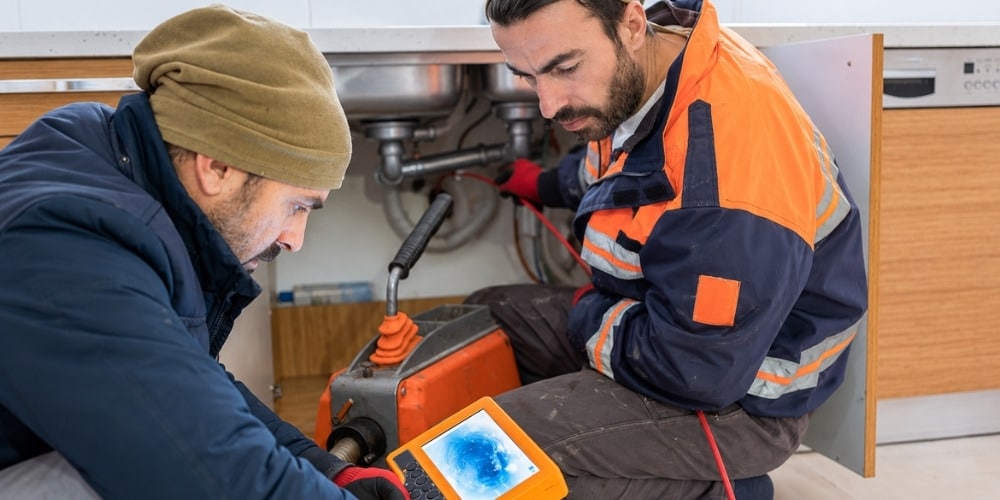
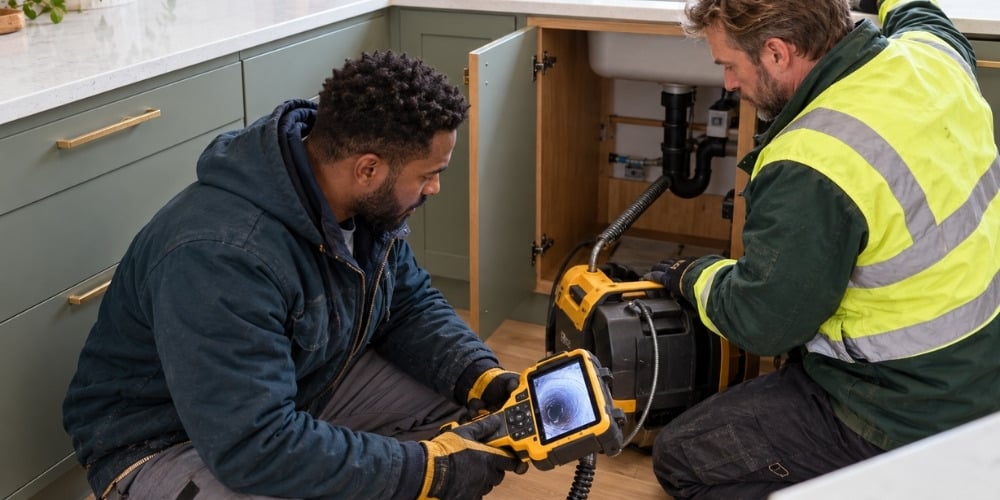
A drain cleaning service may inspect the line with a camera before running a cable or hydro jetter through it. Through video pipe inspection, technicians can evaluate visible pipe conditions, including material, joint condition, and blockage sources. Without visual confirmation, the underlying cause of a recurring blockage may remain uncertain.
A snake or auger can clear many blockages, but it cannot reveal whether the issue stems from grease buildup, root intrusion, or a structural defect like a cracked or offset joint. Two blockages can look identical from the surface yet require completely different underground repairs.
Why Skipping the Camera Step Costs Homeowners More Over Time
Repeated cleaning without proper diagnosis can lead to recurring service calls. When an underlying pipe defect contributes to the issue, clearing the blockage may provide only temporary relief until the same defect traps debris again. Homeowners can end up paying repeatedly for the same issue instead of addressing the root cause.
Underground pipe issues can worsen over time as existing damage progresses and soil conditions change. A minor offset or hairline crack that goes unaddressed can widen, allow further root intrusion, or contribute to structural damage. If the underlying damage becomes severe enough, a problem that first appeared as a slow drain may eventually require major repairs or full sewer line replacement.
Accurate diagnosis also protects your property. When a pipe runs beneath a driveway, patio, or established landscaping, homeowners want an accurate diagnosis the first time rather than repeated, speculative digging.
What Sewer Camera Inspections Actually Reveal
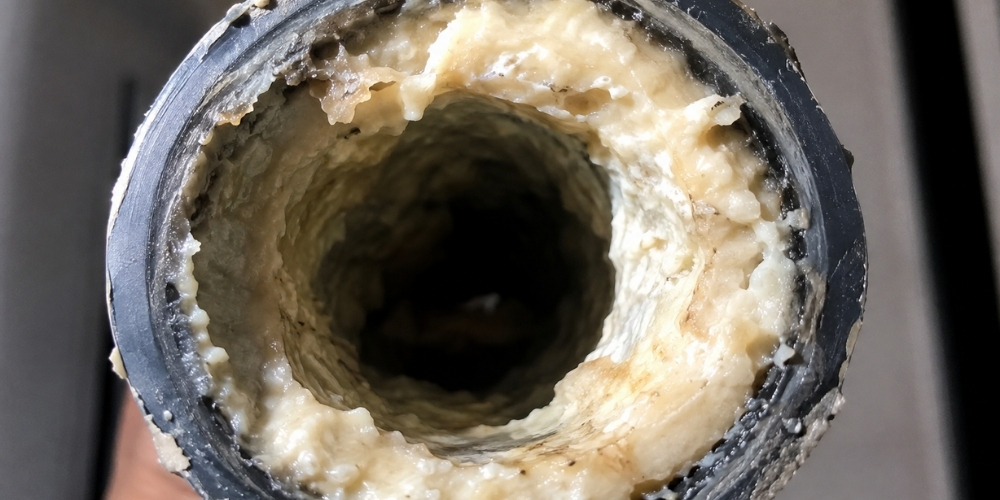
A camera inspection documents accessible portions of the pipe interior from a cleanout or another suitable access point, revealing visible conditions inside the line. Locating equipment can help determine the surface position and depth of identified problem areas.
Common findings include:
Root Intrusion
Roots do not typically break through a sound pipe. They exploit an existing crack or loose joint and expand once inside, growing in search of moisture and nutrients. The camera shows whether roots are a minor presence or a dense mass restricting flow. Identifying the exact location helps target treatment effectively.
Offsets
An offset occurs when a pipe section has shifted out of alignment, often from soil movement or ground settling, creating a lip where debris collects. Over time, these misalignments can lead to persistent blockages if left uncorrected.
Bellies
A belly is a low, sagging section of pipe where standing water and waste settle instead of flowing freely, causing repeated buildup in the same location. Restoring proper flow often requires structural realignment or repair.
Grease and Scale Buildup
Grease coats the inner walls of the pipe, narrowing the passage over time, while mineral scale creates a similar restriction in older cast iron and clay pipes. Once pinpointed, high-pressure hydro jetting can safely scour away these deposits when the condition of the pipe supports it.
Collapsed Sections
A collapsed section occurs when a portion of the pipe caves in, often because of deterioration, soil movement, or other structural damage. This can severely restrict or completely block flow and cannot be corrected with cleaning alone. Depending on the extent and location of the damage, repair or replacement may involve a trenchless method or targeted excavation.
READ MORE: Drain Clearing Services Near Me: Hydro Jetting vs. Snaking Explained
How a Sewer Camera Inspection Works, Step by Step
Step 1: Access the Line
A technician accesses the line through an existing cleanout or locates an appropriate entry point if one is not readily available. When suitable access already exists, the camera can be introduced without disrupting the surrounding landscape.
Step 2: Run the Camera Through the Pipe
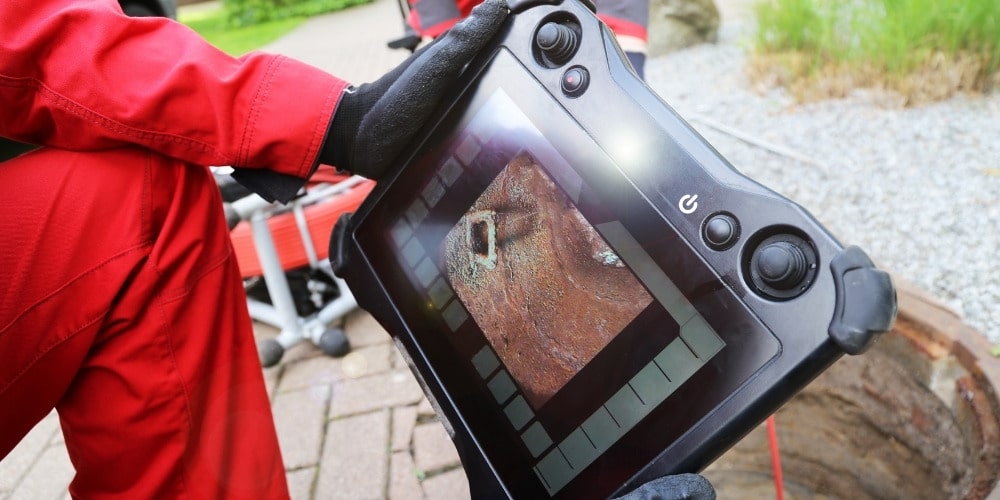
A waterproof camera on a flexible cable is fed through the line, recording continuous video as it travels from the access point toward the street or septic connection. The video feed displays real-time footage on an external monitor.
Step 3: Document Findings with Video and Measurements
Footage is reviewed for blockages, cracks, offsets, root intrusion, bellies, and material condition. Distance markers on the cable combined with locating equipment help pinpoint the location and depth of an issue underground. This precision reduces guesswork when locating pipe damage.
Step 4: Record Written Notes Alongside the Footage
The visual findings are paired with written observations so the homeowner has a clear record of what was found and where, not just raw video. These detailed notes serve as a helpful reference for future maintenance.
Step 5: Match the Finding to the Right Next Step
Based on what the camera shows, accurate drain diagnostics allow technicians to recommend routine cleaning, hydro jetting for heavy buildup, or a repair evaluation for structural issues like offsets or collapsed sections. Choosing the targeted solution can help avoid unnecessary work and expense.
What Affects the Cost and Timing of Camera-Guided Drain Service
Camera-guided drain service does not have one flat cost, because no two pipe conditions are identical. Estimates typically depend on the scope of the blockage, pipe material and age, how far the camera needs to travel, site accessibility, and whether any follow-up work like hydro jetting or repair is needed.
Several factors commonly shape the estimate:
- Pipe material and age. Older clay or cast iron pipe often needs more careful handling than newer PVC.
- Access conditions. A pipe reachable through an existing cleanout is quicker to inspect than one requiring new access.
- Blockage severity. Light buildup generally takes less time to document and clear than a dense root mass, while a structurally compromised section may require repair rather than cleaning.
- Follow-up work needed. A straightforward cleaning differs in scope from a camera inspection that leads into a trenchless repair evaluation.
- Utility locates. Before mechanized excavation begins, submitting a locate request to Georgia 811 is generally required under state law, helping protect property and underground utility infrastructure.
Because these variables differ from one property to the next, the most reliable way to understand cost and timing is a direct estimate based on the actual condition of the line rather than a general price range.
When to Call a Professional for Drain Cleaning Near You
A professional inspection is worth scheduling when a drain clears temporarily and then backs up again, when multiple drains slow down around the same time, or when there is a persistent odor, gurgling sound, or wet spot in the yard. These patterns can point toward a main line issue rather than an isolated indoor clog.
Situations that call for a professional camera inspection:
- The same drain has needed cleaning more than once in recent months.
- Multiple fixtures in the home are slow or backing up at the same time.
- There is a sewage smell, soggy patch, or unusually green area in the yard.
- A buyer or homeowner wants additional documentation of sewer-line condition during a home inspection or real estate transaction.
- If excavation is necessary, underground utility locations must be identified beforehand, and OSHA standards require appropriate cave-in protection when applicable depending on trench depth and site conditions.
A homeowner running a plunger or store-bought drain cleaner through the same line repeatedly without improvement may be dealing with a problem beyond a surface-level fix. At that point, video documentation of the pipe interior provides a direct way to see what is happening underground.
Frequently Asked Questions
Can a camera inspection be done without digging?
Usually, yes. A sewer camera is inserted through an existing cleanout or another accessible entry point and travels through the pipe from inside. If suitable access is unavailable or physical repairs are required, minor digging or excavation may be needed.
How often should a sewer line be inspected?
There is no universal inspection interval for every property. Older sewer lines, properties with mature trees near the route, and homes with a history of recurring backups may warrant inspection more often than newer systems with no known problems.
What pipe materials are most prone to root intrusion or collapse?
Older clay sewer lines can become vulnerable when joints separate, cracks develop, or sections shift, while older cast iron lines may deteriorate as corrosion progresses. PVC resists corrosion, although improper installation, soil movement, or physical damage can still create problems.
Can a sewer camera show exactly where a damaged section is located?
In many cases, yes. Camera equipment can use distance measurements to help identify how far a defect is from the access point. Technicians may combine that information with locating equipment when a precise surface location is needed for repair planning.
Should homeowners get a sewer camera inspection before buying an older home?
It can be useful when the property’s sewer condition is unknown, particularly if the home has older piping, mature trees near the sewer route, or a history of drainage problems. A camera inspection can document conditions inside the line that are not visible during a standard visual home inspection.
Ready to See What’s Really Going On in Your Line?
Zippy Plumber uses camera inspection to evaluate underground sewer and drain lines before recommending cleaning, hydro jetting, or repair. Our team focuses on exterior underground plumbing, from the building toward the street, across Alpharetta and the surrounding North Atlanta area.
A drain that keeps backing up deserves an answer, not another round of guessing. Scheduling a camera inspection is the direct way to find out what is really happening below the surface.