
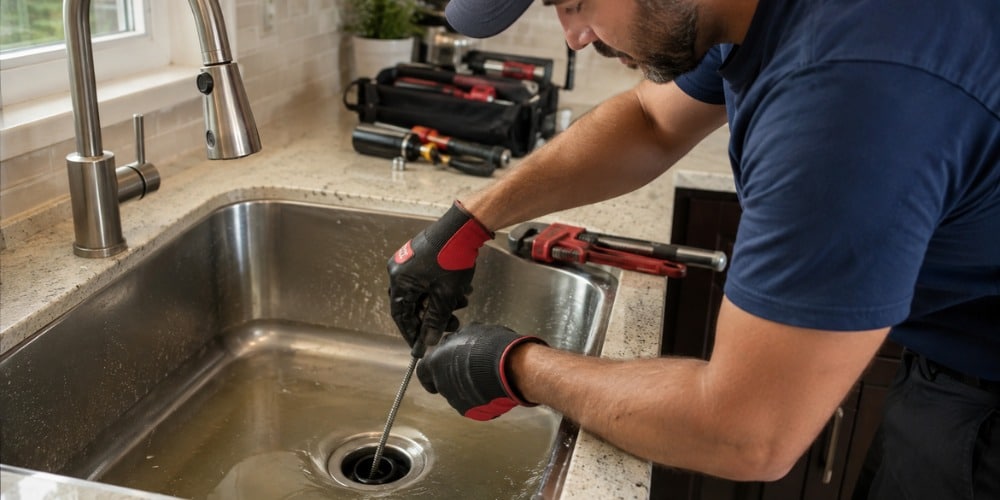
A clogged kitchen drain is frustrating, and understanding how to unclog a kitchen drain can save you money and time. Grease, food scraps, and soap buildup accumulate inside the pipe over time and cause most clogs. Most minor clogs can be cleared using simple tools and household products. However, persistent blockages may signal a deeper plumbing issue that requires professional attention.
Table of Contents
- Why Kitchen Drains Clog in the First Place
- How to Unclog a Kitchen Drain: DIY Methods That Actually Work
- When DIY Is Not Enough
- What Professional Drain Cleaning Costs
- Things to Know
- How to Unclog a Kitchen Drain: Stop Clogs Before They Start
Why Kitchen Drains Clog in the First Place
Kitchen drains handle more abuse than most people realize. Cooking grease, vegetable peelings, coffee grounds, and dish soap residue pass through the drain daily. Unlike bathroom drains, which mainly deal with hair and soap, kitchen drains accumulate greasy, sticky material that coats pipe walls. This gradually narrows the interior diameter of the pipe.
The most common culprits are:
- Cooking fats and oils: These pour down liquid but solidify inside cool pipes. They create a sticky lining that catches everything else.
- Food particles: Starchy foods like pasta and rice expand in water. They form dense clogs near the P-trap.
- Soap scum: Dish soap combined with hard water minerals builds up slowly over months.
- Garbage disposal debris: Even with a disposal, fine food particles accumulate at bends in the drain line.
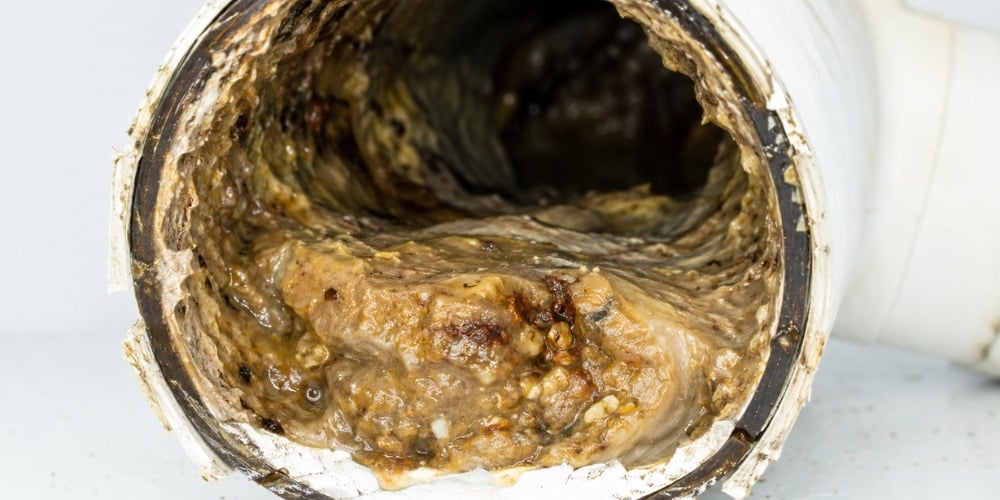
Understanding the cause matters because it determines the right fix. Additionally, learning about drain cleaning service near me what to expect can help you understand whether a grease clog responds well to hot water and dish soap. A physical food blockage near the P-trap usually needs mechanical clearing.
How to Unclog a Kitchen Drain: DIY Methods That Actually Work
Before calling anyone, try these approaches in order. Start with the least invasive and work your way up.
1. Boiling Water Flush
Boil a full kettle and pour it slowly down the drain in two or three stages. Allow each pour to work for 30 seconds. This is effective for fresh grease clogs before they fully harden.
2. Baking Soda and Vinegar
Pour one cup of baking soda directly into the drain. Follow it with one cup of white vinegar. Cover the drain opening and wait 15 minutes. Flush with hot water. The chemical reaction can break up light soap and grease buildup without damaging pipes.
3. Dish Soap and Hot Water
Squirt several tablespoons of liquid dish soap into the drain. Chase it with a pot of very hot (not boiling) water. The surfactants in dish soap cut through grease effectively. Additionally, this method is safe for all pipe types.
4. Plunging
Use a cup plunger specifically designed for flat sink drains, not a flange plunger meant for toilets. Fill the sink with an inch or two of water. Seal the plunger over the drain and deliver firm, rapid plunges for 20 to 30 seconds. This creates pressure that can dislodge physical blockages.
5. Cleaning the P-Trap
Place a bucket under the curved pipe beneath the sink. Unscrew the slip nuts at each end of the P-trap by hand or with channel-lock pliers. Remove the trap and clear out any debris. Rinse it and reinstall it. This fix works for clogs that have settled into the bend of the pipe.
6. Drain Snake
A hand-cranked drain snake, also called an auger, can reach 15 to 25 feet into the drain line. Feed the cable in and rotate it to snag the clog. Pull it out when you catch the blockage. This is the most effective DIY tool for stubborn blockages past the P-trap.
Avoid chemical drain cleaners as a first resort. Products containing lye or sulfuric acid can corrode older metal pipes. They damage PVC if used repeatedly. Moreover, they create safety hazards if they splash back. Chemical cleaners rarely dissolve the types of clogs found in kitchen drains completely.
When DIY Is Not Enough
If you have tried multiple methods and the drain continues to back up, or if water is pooling in other fixtures when you run the kitchen sink, the problem may be further down the line. No DIY tool can reach a blockage that deep.
Signs the clog is beyond the kitchen drain itself:
- Multiple drains in the home are slow simultaneously
- Gurgling sounds from the toilet when the sink drains
- Water backing up into the dishwasher or other appliances
- A sewage smell that does not go away after cleaning
These symptoms point to a blockage in the main drain line. In more serious cases, the issue affects the sewer lateral that runs underground from your home to the municipal connection. Understanding underground plumbing pipe types alpharetta buried lines can help homeowners grasp what lies beneath their foundation. Those lines are vulnerable to root intrusion and buildup over time.
If you suspect the issue has moved outside the building, this is no longer a drain cleaning problem. Therefore, it becomes a sewer line issue. For North Atlanta homeowners, reviewing the common sewer line repair north atlanta signs fix options can help you identify whether your situation requires excavation or a less invasive repair method.
What Professional Drain Cleaning Costs
Professional drain cleaning is more affordable than most homeowners expect for a standard blockage. According to C&C Air Conditioning, Heating, Plumbing & Electric (2026), an analysis of over 30,000 customer projects found that drain cleaning costs range from $100 to $800. The national average is $242 for standard residential drain cleaning. Kitchen sink cleaning tends to run 5 to 10% higher than bathroom sinks. Typical kitchen drain service falls between $110 and $215.
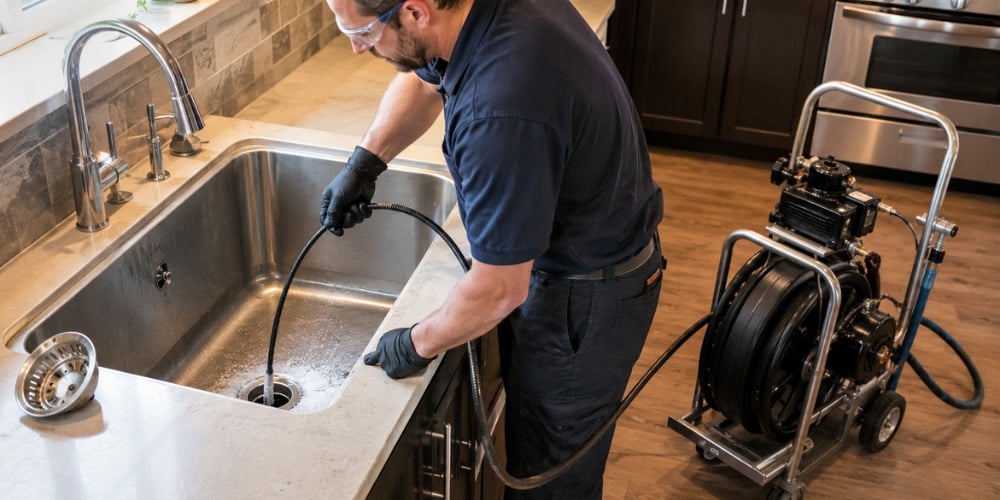
Costs increase when the problem is deeper in the system. Hydro-jetting uses high-pressure water to scour pipe walls. It typically runs higher than a standard snake service but provides a more thorough clean. In addition, it is often worth the investment in older homes where buildup has accumulated over decades.
Before scheduling service, you should also understand how to hire a licensed drain cleaning company in alpharetta to ensure you are choosing a qualified contractor. You can ask the right questions while avoiding unnecessary upsells.
Things to Know
- Never pour cooking oil or bacon grease down the drain, even with hot water running. It will solidify inside the pipe.
- According to Accio (2025), 81.25% of parents reported using drain strainers for kitchen use. Strainers are one of the most effective and underused prevention tools.
- Chemical drain cleaners marketed as “safe for all pipes” can still damage older cast iron or galvanized steel pipe joints over repeated use.
- A slow drain is not the same as a clogged drain. Slow drainage usually indicates early-stage buildup. Addressing it early is far cheaper than waiting for a full blockage.
- If you rent your home, document the issue and notify your landlord before attempting any P-trap removal or mechanical clearing.
How to Unclog a Kitchen Drain: Stop Clogs Before They Start
Prevention comes down to a few consistent habits. Furthermore, these simple steps protect your plumbing for years:
- Install a mesh strainer over the drain and empty it after every meal prep session
- Run hot water for 30 seconds after washing greasy dishes
- Flush the drain monthly with baking soda, vinegar, and hot water
- Avoid putting fibrous foods like celery, artichoke leaves, or onion skins in the garbage disposal
Let Zippy Plumber Diagnose What Is Below the Surface
When a kitchen drain clog keeps returning despite your best efforts, the root cause may be underground. Request a free estimate from Zippy Plumber, Alpharetta’s underground plumbing specialist. We provide an expert assessment of your exterior drain and sewer lines from the building to the street. Contact Zippy Plumber today to schedule your inspection and get a clear answer about what is happening below ground.
Frequently Asked Questions
Q: Can I use a chemical drain cleaner to unclog my kitchen drain?
Chemical drain cleaners can sometimes clear light clogs. However, they carry real risks for your pipes and safety. Products with caustic chemicals generate heat that can warp PVC fittings. They weaken older metal pipe joints over repeated use. For kitchen drains specifically, mechanical methods like plunging or snaking are safer. Moreover, they are often more effective against the grease and food-based clogs that are most common.
Q: How do I know if my kitchen drain clog is a sign of a bigger sewer problem?
If multiple drains in your home are slow or backing up at the same time, the clog is likely in your main drain line, not just the kitchen. Other warning signs include gurgling toilets, sewage odors, and water appearing in unexpected fixtures when you run the sink. These symptoms warrant a professional camera inspection of your drain and sewer lines.
Q: How often should I clean my kitchen drain to prevent clogs?
A monthly preventive flush with baking soda, vinegar, and hot water is a practical maintenance schedule for most households. Homes with heavy cooking activity or older plumbing may benefit from a professional drain cleaning once a year. Consistent use of a mesh strainer is the single most effective daily prevention tool.
Q: Is it safe to clean my own P-trap?
Yes, cleaning a P-trap is a safe DIY task for most homeowners. It requires no special tools beyond a bucket and channel-lock pliers. Turn off the water supply to the sink. Place a bucket under the curved pipe to catch standing water. Unscrew the slip nuts at both ends. Clear any debris, rinse the trap, and reinstall it hand-tight. Check for leaks before using the sink normally.
Q: How long does a professional kitchen drain cleaning take?
A standard professional drain cleaning for a kitchen sink typically takes 30 minutes to one hour, depending on the severity and location of the clog. If the technician needs to access a cleanout, run a camera inspection, or perform hydro-jetting, the job may take longer. Most service providers will give you a time estimate before starting work.