
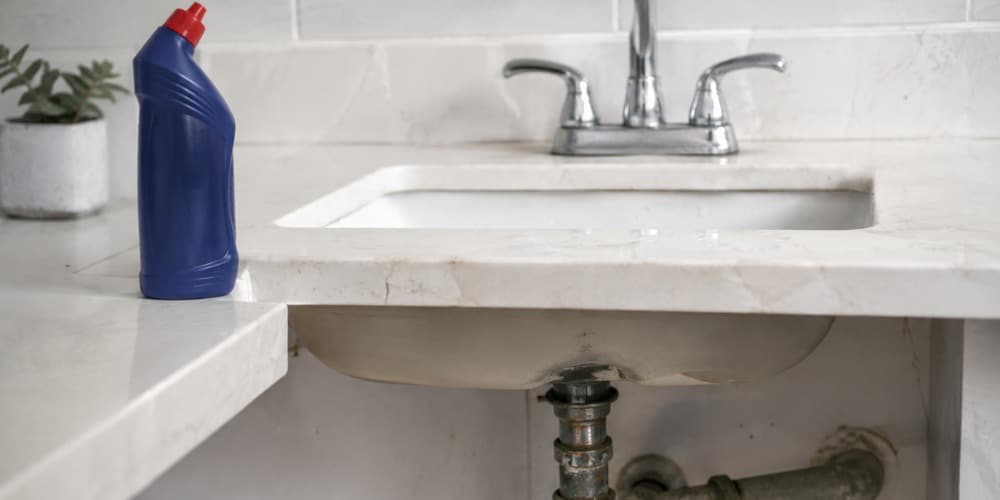
Chemical drain cleaners are convenient, but they can cause real, lasting damage to your plumbing depending on the product and pipe material involved. Therefore, understanding the specific risks before reaching for that bottle could save you from a costly repair down the road. The question of whether drain cleaner is bad for pipes deserves a clear answer based on how these products work and which pipe materials are most at risk.
Table of Contents
- How Chemical Drain Cleaners Actually Work
- Which Pipe Materials Are Most at Risk to Drain Cleaner Damage
- The Difference Between Occasional and Repeated Use
- Safer Alternatives Worth Considering
- When the Problem Goes Beyond the Drain
- Things to Know
Key Takeaways
- Chemical drain cleaners contain corrosive acids or alkalis that can degrade pipe walls, especially with repeated use.
- PVC pipes are particularly vulnerable to heat generated during the chemical reaction inside the drain.
- Older metal pipes, including cast iron and galvanized steel, face accelerated corrosion from acidic formulas.
- Enzymatic cleaners are a safer option for maintenance, though they work more slowly.
- Recurring clogs often signal a deeper plumbing problem that chemicals cannot fix.
- Professional drain cleaning is the most reliable and pipe-safe method for persistent blockages.
How Chemical Drain Cleaners Actually Work
Most store-bought drain cleaners fall into one of two categories: acid-based or alkaline-based. Acid-based products typically contain sulfuric acid, while alkaline formulas rely on sodium hydroxide (lye). Both work by triggering a chemical reaction that breaks down organic matter, including hair, grease, and soap buildup.
The problem is significant: this reaction generates considerable heat. According to Benjamin Franklin Plumbing (2025), PVC pipes can soften or warp from the heat produced during chemical breakdown. This is especially true with frequent use. Moreover, the reaction does not stop neatly at the clog either. Residual chemical sits in contact with the pipe walls until it either drains fully or is rinsed away, which extends the exposure window considerably.
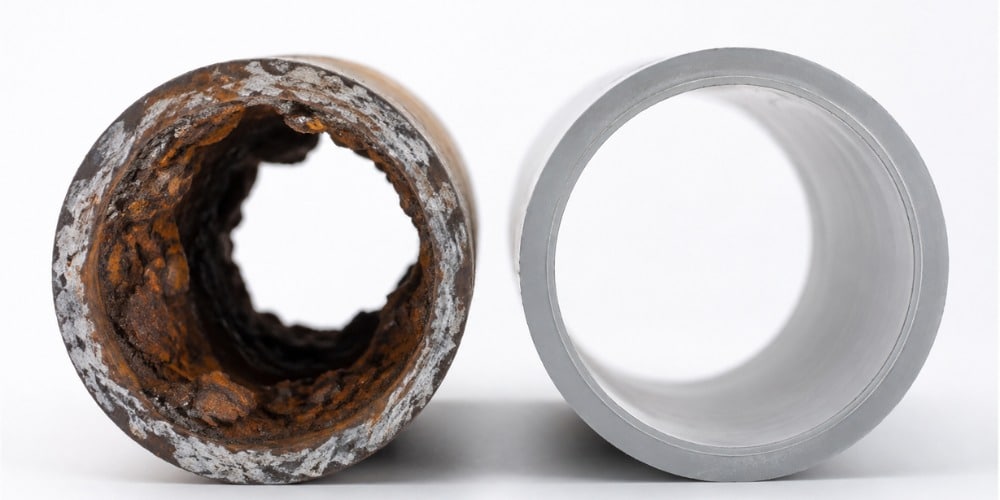
As Rooter Experts (2026) notes, chemical cleaners use corrosive acids or alkalis, including sulfuric acid and sodium hydroxide, that actively attack pipe walls. This is not a hypothetical risk. In fact, it is a documented mechanism that plumbing professionals encounter regularly when inspecting pipes that have seen years of chemical treatment.
Which Pipe Materials Are Most at Risk to Drain Cleaner Damage
Not all pipes respond the same way to chemical drain cleaners. The material makes a significant difference in how much damage accumulates over time.
PVC and ABS plastic pipes are common in homes built after the 1970s. While they resist corrosion from water, they are sensitive to heat. Additionally, repeated use of chemical drain cleaners can warp joints, weaken seals, and cause micro-cracks that eventually lead to leaks. This consideration is especially important when examining underground plumbing pipe types in Alpharetta buried lines, where repairs are far more disruptive and expensive.
Cast iron and galvanized steel pipes appear in older homes, particularly those built before the 1960s. Acidic drain cleaners accelerate rust and corrosion in these materials. Over time, pitting develops on the interior walls. This narrowing of the pipe diameter increases the likelihood of future clogs.
Copper pipes fare somewhat better with occasional chemical use, but they are not immune. Prolonged exposure to highly acidic products can pit the interior surface. Eventually, this can cause pinhole leaks.
Older clay or orangeburg pipes in sewer lines have no tolerance for chemical exposure. These materials were not designed for contact with industrial-grade cleaners. Any chemical that travels through the interior plumbing to the exterior line could contribute to further deterioration.
The Difference Between Occasional and Repeated Use
A single application of a chemical drain cleaner in a healthy, modern pipe system is unlikely to cause immediate structural failure. However, the real risk accumulates with repeated use. When a homeowner reaches for a chemical product every few weeks because the same drain keeps backing up, the underlying clog is probably not being fully cleared. The chemical softens the blockage enough for water to pass, but residue remains and the cycle repeats.
This pattern of recurring use is where the damage compounds significantly. The pipe walls experience repeated heat exposure and chemical contact, weakening them incrementally. By the time a visual sign appears, such as a slow leak or discoloration around a joint, the interior degradation may already be substantial.
Furthermore, understanding what a drain cleaning service near me what to expect provides can help homeowners make a more informed decision. They can then avoid relying on store-bought chemicals as a long-term fix.
Safer Alternatives Worth Considering
If you are looking to maintain drains without the risk that comes from chemical products, several alternatives deserve your consideration.
Enzymatic drain cleaners use naturally occurring bacteria and enzymes to break down organic material. They are slower than chemical options but far gentler on pipe walls. According to Intel Market Research (2026), consumers increasingly seek products perceived as safer for pipes. Enzymatic cleaners are particularly popular, despite their higher price points. These work best as a monthly maintenance treatment rather than an emergency fix for a fully blocked drain.
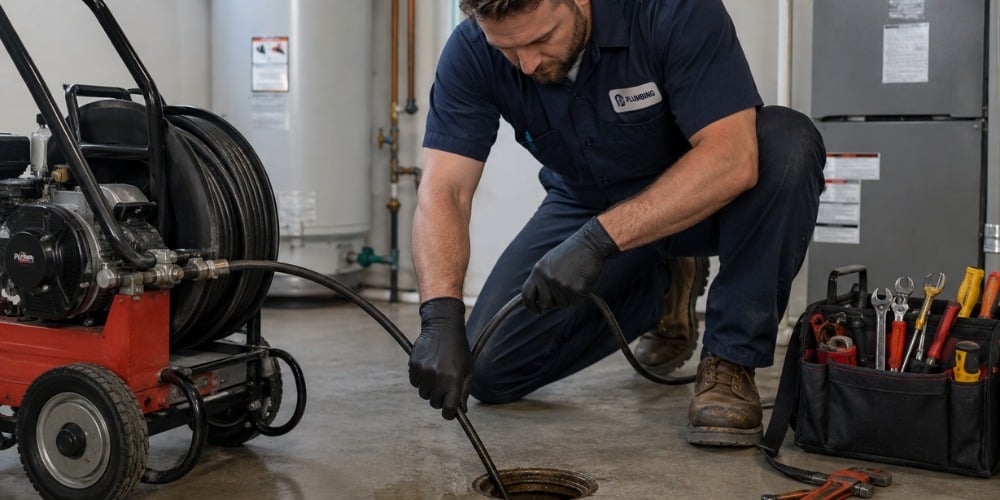
Mechanical methods including manual drain snakes and plungers physically remove clogs without any chemical contact. These are generally safe for all pipe types and effective for most common household blockages.
Hydro-jetting, performed by a licensed plumber, uses high-pressure water to clear the interior of pipes thoroughly. It removes buildup without chemicals and leaves pipe walls in better condition than most chemical treatments. For example, it is particularly effective for grease-heavy blockages in kitchen lines.
| Method | Pipe Safety | Effectiveness | Best For |
|---|---|---|---|
| Chemical drain cleaner | Low (with frequent use) | Moderate | Quick surface clogs |
| Enzymatic cleaner | High | Low to moderate | Monthly maintenance |
| Drain snake / plunger | High | Moderate | Hair/debris blockages |
| Hydro-jetting | High | Very high | Grease, full blockages |
| Professional inspection | N/A | Diagnostic | Recurring or deep clogs |
When the Problem Goes Beyond the Drain
A clog that keeps returning despite repeated treatment is rarely just a surface-level issue. Root intrusion, pipe offset, grease buildup in sewer lines, and partial collapses are all conditions that no chemical product will resolve. In fact, pouring drain cleaner into a line that has a structural problem can complicate the situation. The chemical adds exposure to an already compromised section of pipe.
If you are dealing with sewer line repair north atlanta signs fix options, the issue may be rooted in the exterior line between your home and the street. This is a section that homeowners often overlook. At Zippy Plumber, we specialize in exactly that segment of the system: the underground plumbing from your building to the street in and around Alpharetta, GA.
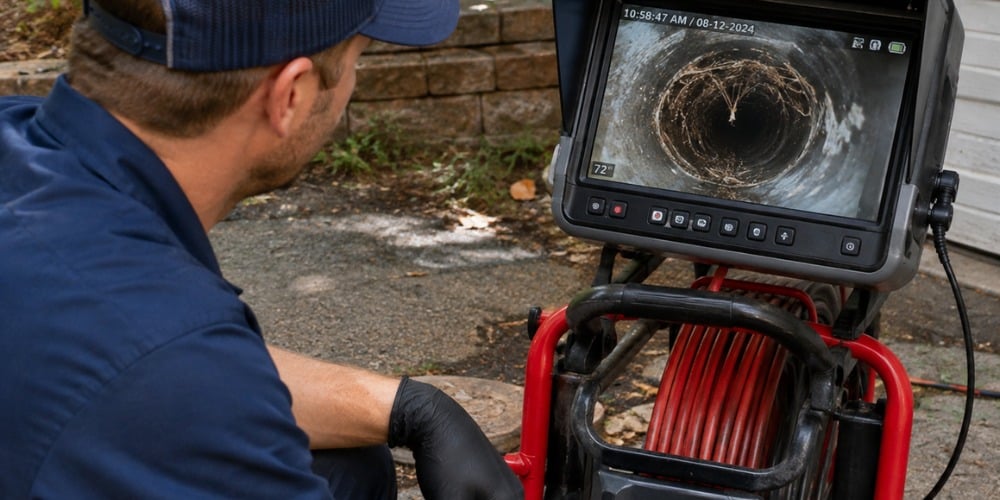
Knowing how to hire a licensed drain cleaning company in alpharetta is an important first step. You can make this decision if you suspect the problem runs deeper than a surface clog. Licensed professionals can camera-inspect your line and identify the root cause before recommending a solution.
Things to Know
- The global drain cleaners market was estimated at $6.796 billion in 2024, according to Market Research Future (2024). This reflects how widely these products are used, even as safer alternatives grow in demand.
- Chemical drain cleaners that sit in a blocked pipe without draining have extended contact time with pipe walls. This multiplies their damaging effect considerably.
- Most chemical drain cleaner labels advise against use in pipes with existing cracks or deterioration. However, many homeowners do not read this warning before using them.
- Plastic pipe joints and glued connections are more vulnerable than straight pipe sections. Chemicals tend to pool at low points and elbows.
- Enzymatic products require consistent, repeated application to be effective. A single use rarely clears a significant blockage.
Request a Professional Pipe Assessment Before the Damage Gets Worse
Chemical drain cleaners can mask a problem without solving it. Moreover, every application increases the risk of cumulative pipe damage. Request a free estimate from Zippy Plumber if you are in the Alpharetta area and dealing with persistent drainage issues. Our team focuses on underground exterior lines and can identify problems that indoor treatments simply cannot reach. Contact us today to schedule your assessment.
Frequently Asked Questions
Q: Is drain cleaner bad for pipes if used only once?
A single, occasional use in a healthy modern pipe is unlikely to cause immediate structural damage. However, it is not entirely risk-free. Heat generated by the chemical reaction can affect PVC joints even in a one-time use scenario, particularly if the drain is slow and the product sits longer than intended.
Q: Which type of drain cleaner is safest for older pipes?
Enzymatic cleaners are considered the safest option for older or more fragile pipe systems. They do not generate heat or use corrosive chemicals. For any significant blockage in an older home, mechanical removal by a plumber is a more reliable and safer choice.
Q: Can drain cleaner damage sewer lines?
Yes, especially if the exterior sewer line contains older materials like clay, orangeburg, or deteriorating cast iron. Chemicals that travel through the interior drain system can reach the sewer line and contribute to breakdown in already compromised sections. A camera inspection is the only reliable way to assess the condition of your exterior line.
Q: Why does my drain keep clogging even after using drain cleaner?
Recurring clogs typically indicate an incomplete clearing or an underlying structural issue in the pipe. Chemical cleaners often soften blockages without fully removing them, allowing buildup to quickly return. Root intrusion, pipe offsets, or severe grease accumulation require professional mechanical or hydro-jet clearing.
Q: Are natural or homemade drain cleaners safer?
Baking soda and vinegar combinations are significantly gentler on pipes than commercial chemical products. They are not effective against serious blockages, but as a maintenance flush for lightly used drains, they carry minimal risk to pipe integrity. They do not introduce corrosive substances into the system.