What’s In This Guide
- Why the Company You Choose Actually Changes the Outcome
- Signs the Problem Is Bigger Than a Single Clogged Drain
- What to Verify Before Hiring: A Practical Checklist
- Why Camera Inspection Should Come First
- What Affects the Cost of Drain Cleaning
- Utility Locates and Access: The Part Homeowners Often Miss
- When a Professional Call Beats a DIY Attempt
- Frequently Asked Questions
- Ready to Have Your Line Inspected the Right Way?
A slow drain that keeps coming back, a sewer smell near the yard, or a backup that hits more than one fixture at once usually means the problem sits deeper than a clogged trap. Before you hand that job to the first company that answers the phone, it helps to know what actually separates a licensed drain cleaning company from one that guesses its way through the job.
Quick Facts
- Licensing matters more than a logo on a truck. Professional plumbing work in Georgia may require state licensure, and license status can be checked before you sign anything.
- Recurring clogs across multiple fixtures point to the main line, and repeated snaking without inspection rarely fixes the root cause.
- A camera inspection should come before major repair recommendations, and when possible, before cleaning, so decisions rely on what is actually in the pipe.
- Hydro jetting and snaking are not interchangeable. Grease, scale, and root intrusion respond differently, and the wrong method wastes time and money.
- Cost estimates should reflect scope, access, and pipe condition, not a flat number quoted over the phone before anyone has looked at the line.
Why the Company You Choose Actually Changes the Outcome
Drain cleaning sounds like a simple service until the wrong method gets used on the wrong problem. A cable snake might punch a temporary hole through a clog without clearing the material lining the pipe wall, which means the same backup returns within weeks.
The company handling this work should be properly licensed to perform plumbing services in Georgia when licensing applies. Plumbing licensure falls under the state, and license status, expiration, and disciplinary history may be checked through Georgia's official licensee search. Asking for a license number and checking it before work begins takes a few minutes and removes a lot of guesswork about who is actually showing up at your property.
Insurance matters just as much. A company working near your home's main line should carry liability coverage in case equipment damages a wall, a driveway, or a landscaped area during access. If a provider can't produce proof of insurance on request, that's worth treating as a real concern rather than a minor detail.
Signs the Problem Is Bigger Than a Single Clogged Drain
Not every slow drain needs a specialist. But certain patterns point to a main line issue rather than a localized clog, and recognizing them early can prevent a bigger mess.
Multiple fixtures backing up together. If the toilet gurgles when the washing machine drains, or two bathrooms slow down at the same time, the shared line connecting those fixtures is likely the source.
Odors near the yard or cleanout. A sewage smell outside, especially near where the main line exits the building, often means a break, blockage, or root intrusion somewhere along that buried run.
Wet or soft spots in the yard that don't dry out. Standing moisture with no clear rain source can mean wastewater is escaping the line underground before it ever reaches the street.
Clogs that return within days of snaking. A cable can punch through a blockage without addressing grease buildup, scale, or root growth coating the interior of the pipe, which is why the same clog often reappears fast.
Unexplained increases in water use. A jump in your water bill with no obvious cause can point to a leak elsewhere in the underground system rather than the drain itself.
What to Verify Before Hiring: A Practical Checklist
Use this list as a quick screen before scheduling any drain or sewer line service.
- Active Georgia plumbing license, verified independently rather than taken at face value.
- Proof of liability insurance, especially for work involving yard access or equipment near structures.
- Camera inspection capability, so findings are based on video evidence, not assumptions.
- Hydro jetting equipment on hand, since grease, scale, and root intrusion often need high-pressure clearing rather than a standard cable.
- Clear communication about cleanout access, including whether an outdoor cleanout exists or needs to be installed.
- Documentation after service, such as video footage, measurements, or written notes explaining what was found and what was done.
- A written, itemized estimate before work begins, not a verbal number given over the phone sight unseen.
A company that checks every box on this list is generally worth a call. One that resists a straight answer on more than one item is worth a second opinion.
Why Camera Inspection Should Come First
A proper sewer camera inspection should come before major cleaning or repair recommendations whenever the line can be safely inspected. Running a camera through the line helps show where a blockage, crack, offset, or root mass sits, along with the pipe material and depth. That information changes what happens next.
Cast iron, clay, and PVC all fail differently. Cast iron corrodes and narrows from the inside. Clay cracks at joints as soil shifts. PVC installed decades ago can develop its own wear patterns depending on installation quality and ground movement. Cleaning method and follow-up recommendations should reflect which material is actually in the ground.
Once the line is clean, a second camera pass confirms whether the underlying pipe is sound or whether further repair, such as trenchless lining, makes sense. Skipping this step means decisions get made on guesswork instead of what the camera actually shows.
What Affects the Cost of Drain Cleaning
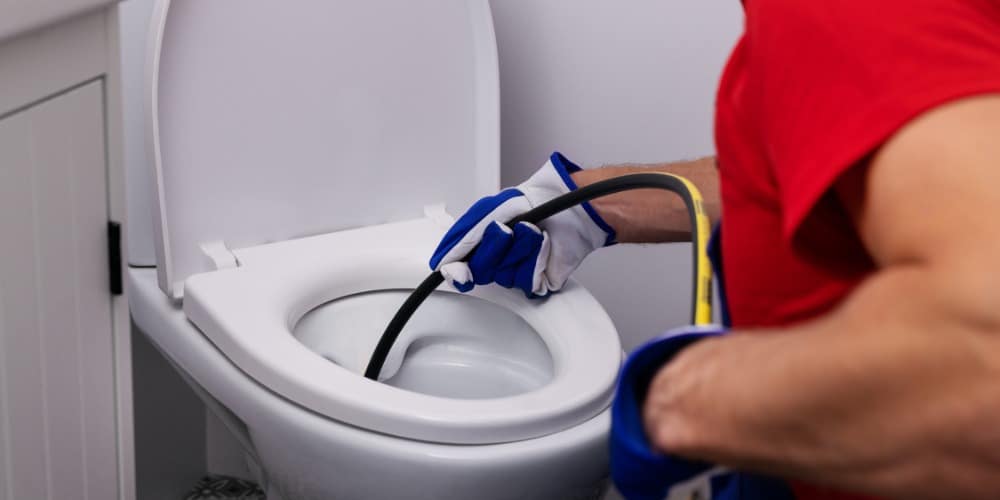
Pricing for drain cleaning and sewer line service depends on several factors, and a reputable provider should be able to walk you through them rather than quote a flat number before ever seeing the line. Scope of work, site conditions, pipe material, length and depth of the run, access difficulty, and whether hydro jetting or trenchless work is involved all play a role in the final estimate.
A property with a mature tree canopy and heavy root intrusion typically requires more time and equipment than a straightforward grease clog. A line with limited access, buried deep or routed under a driveway, changes labor and equipment needs compared with an easily reached outdoor cleanout.
None of this means costs are unpredictable. It means a fair estimate reflects the actual condition and layout of your property rather than a generic number pulled from a phone call.
Utility Locates and Access: The Part Homeowners Often Miss
Any work that involves digging, including cleanout installation or line repair beyond simple cleaning, requires a utility locate first. This essential safety step applies to everyone, from homeowners to contractors, helping to prevent damage to buried infrastructure.
A company that skips this step, or one that can't explain how it coordinates locates before digging, is taking a risk with your property and with buried utility lines that aren't visible from the surface. Reputable providers build this coordination into the job timeline rather than treating it as an afterthought.
When a Professional Call Beats a DIY Attempt
Store-bought drain cleaners and small hand augers can clear a single, localized clog in a sink or tub. They are not built for main line issues, root intrusion, or blockages sitting several feet underground.
Chemical drain cleaners in particular can sit in a pipe without clearing the actual obstruction, and repeated use can corrode certain pipe materials over time. If a clog returns more than once, if it affects more than one fixture, or if you notice yard odors or wet spots alongside the drainage problem, that combination usually points to a main line issue that needs camera-based diagnosis rather than another store-bought treatment.
READ MORE: Underground Plumbing Inspection in Alpharetta GA
Frequently Asked Questions
How do I know if my clog is a main line problem instead of a single drain?
If you notice that multiple fixtures are backing up simultaneously, such as your toilet bubbling when the shower drains or your laundry water surfacing in a sink, it’s a strong indicator that the issue is in the shared main sewer line. If you’ve recently had a clog “cleared” only for it to return within days, the root cause, whether it’s scale buildup, tree roots, or an offset pipe, is likely still in place.
Is hydro jetting safe for older pipes?
Hydro jetting can be highly effective for many pipe materials, including cast iron, clay, and modern PVC. However, “safe” depends on the pipe's current integrity. A professional technician should perform a camera inspection first when the line is accessible to identify existing cracks, significant corrosion, or other concerns. This helps ensure that the water pressure used is appropriate for the line's condition while still removing scale and debris effectively.
Do I need a cleanout installed if I don't have one?
While a cleanout isn't strictly mandatory, having an exterior access point is a significant advantage. It allows plumbers to clear your main line without dragging equipment through your home, making the service faster, cleaner, and less intrusive. If you don't currently have one, ask your technician during the visit to assess your yard and provide an estimate for installation. It can simplify future maintenance.
Should I be concerned about a sewer smell that comes and goes?
Yes. An intermittent sewer odor may suggest that a small break, a dried-out P-trap, or a developing obstruction is periodically venting gases into your home or yard. Waiting for the smell to become constant can lead to a more severe backup or costly repair later. It is usually better to have a professional investigate the source while the issue is still minor.
What should I expect in writing after a service visit?
You should expect clear, actionable documentation. This includes a written summary of the technician's findings, such as pipe material, depth, and identified problems, measurements of the blockage location, and professional recommendations for repairs or maintenance. Ideally, you should also receive a digital copy of the video footage from the camera inspection, as this provides visual proof of the pipe’s condition for your own records or future service needs.
Ready to Have Your Line Inspected the Right Way?
Choosing a provider that leads with camera inspection, uses the right cleaning method for the actual pipe condition, and documents the work protects both your property and your budget. Zippy Plumber focuses exclusively on the exterior underground line running from the building to the street, serving homeowners and businesses across Alpharetta and the wider North Atlanta area.
Call us or request an estimate online to get your main line properly inspected.