
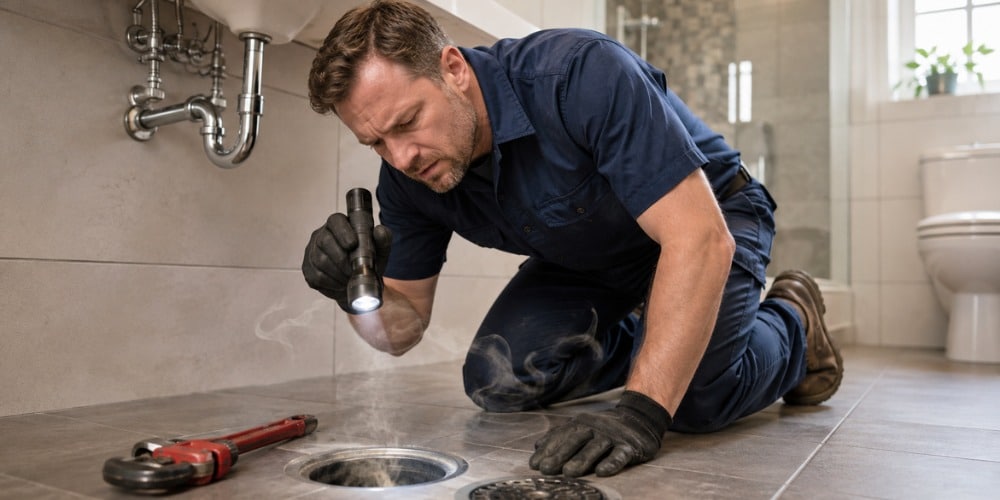
A sewer smell in your house typically signals one of several plumbing issues. The most common culprits include a dried-out P-trap, a cracked or blocked drain line, a faulty wax ring, or a compromised sewer pipe somewhere between your home and the street. These sewer smell in house causes range from simple DIY fixes to situations that require a licensed plumber with specialized equipment.
Table of Contents
- Why Sewer Gas Is More Than a Nuisance
- The Most Common Sewer Smell in House Causes
- When the Problem Is Underground and Requires Sewer Smell in House Causes Investigation
- Things to Know About Sewer Smell in House Causes
- How to Narrow Down the Sewer Smell in House Causes
- Take Action on That Sewer Smell Today
- Frequently Asked Questions
Key Takeaways
- Sewer gas contains hydrogen sulfide and methane, making it a potential health and safety risk, not just an odor problem.
- Dried P-traps are one of the most overlooked and easiest-to-fix causes of indoor sewer smells.
- Cracked or offset sewer pipes underground can leak gas into your home without any visible water damage inside.
- Blocked vent stacks redirect sewer gas back down into living spaces instead of out through the roof.
- If the smell is intermittent, worsens after rain, or affects multiple fixtures at once, the issue likely originates outside the home in the buried sewer line.
- A licensed underground plumbing specialist should inspect exterior pipe problems since these involve excavation and code compliance.
Why Sewer Gas Is More Than a Nuisance
That rotten egg smell drifting through your bathroom or kitchen is not something to dismiss. Sewer gas is a mixture of several compounds. It includes hydrogen sulfide, ammonia, methane, and carbon dioxide. At low concentrations, hydrogen sulfide causes headaches, nausea, and eye irritation. Moreover, at higher concentrations in enclosed spaces, it poses serious health risks. Additionally, methane is flammable.
A 2024 peer-reviewed study published in Biologia Futura noted that “systematic studies related to the bad smell released from wastewater and their collection units in the indoor environment are practically lacking in the scientific literature.” This observation underscores how under-researched residential sewer odor exposure truly is. However, that research gap does not reduce the real-world risk. If you notice persistent sewer odors, the responsible step is to identify the source promptly rather than wait for a stronger smell to confirm something is wrong.
The Most Common Sewer Smell in House Causes
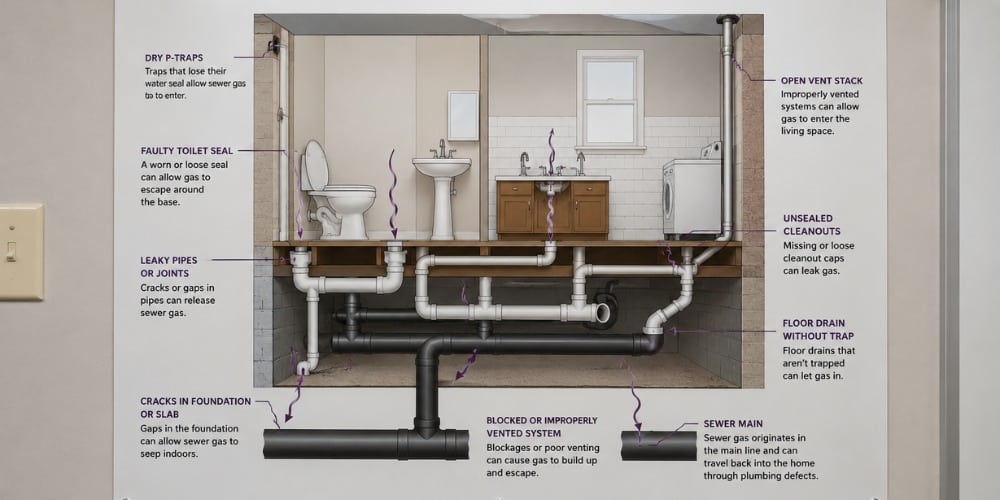
Understanding where the odor originates helps you avoid unnecessary repairs. Below are the main culprits, organized from the most common and simplest to address to the more serious structural issues.
Dried-Out P-Traps
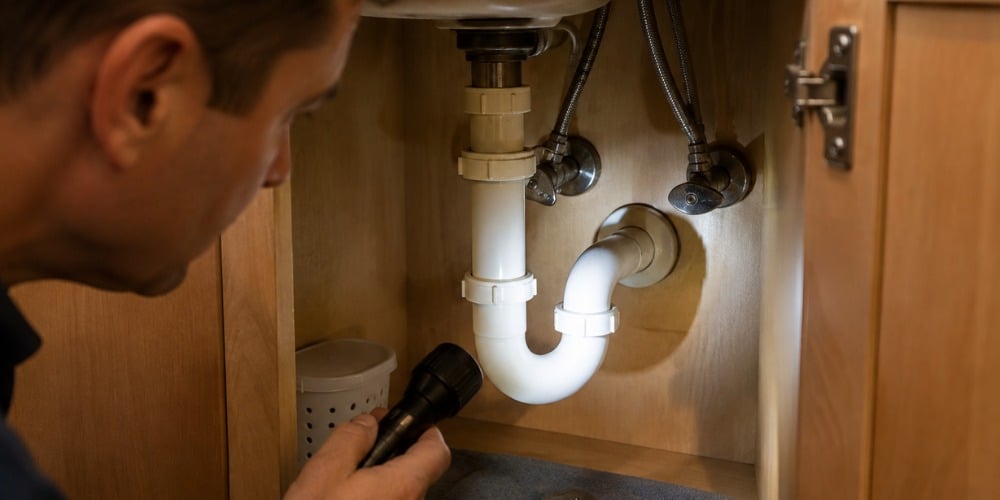
The P-trap is the curved pipe segment beneath every sink, floor drain, and shower. It holds a small amount of standing water that physically blocks sewer gas from traveling up through the drain opening. When a fixture goes unused for several weeks, that water evaporates. Guest bathrooms, utility sinks, and basement floor drains are the most frequent offenders.
Furthermore, according to Day & Nite Plumbing, a dried P-trap is one of the first places to check when you notice sewer smell in house causes. The fix is straightforward. Run water for 30 seconds or pour a cup of water down the drain. If the smell disappears within a few minutes, you have found your answer.
Blocked or Damaged Vent Stacks
Every drain system in your home connects to a vent pipe that runs up through the roof. These vent stacks equalize air pressure in the drain lines. They also allow sewer gas to escape outside. When a vent stack becomes blocked by leaves, a bird’s nest, or ice in cold climates, gas has nowhere to go but back into your living space.
You may also notice slow drains or gurgling sounds accompanying the smell. Additionally, this is a job for a plumber who can run a camera or snake through the vent from the roofline.
Faulty Wax Ring or Toilet Seal
A toilet sits on a wax ring that creates an airtight seal between the base and the floor flange. Over time, if the toilet rocks or the wax ring degrades, sewer gas leaks around the base. A subtle sewer odor near the toilet, sometimes more noticeable after flushing, is a classic sign of a failing seal.
Biofilm and Drain Buildup
Organic material accumulates inside drain pipes, particularly in shower and bathroom sink drains. This buildup can produce sulfur-like odors through microbial activity. This is distinct from true sewer gas but smells similar. Furthermore, if you have been researching drain cleaning service near me what to expect, biofilm buildup is a common reason homeowners call a drain professional.
| Cause | Location | DIY Fix Possible? | Urgency |
|---|---|---|---|
| Dried P-trap | Any infrequently used drain | Yes | Low |
| Blocked vent stack | Roof vent pipe | Rarely | Medium |
| Failed wax ring | Toilet base | Moderate | Medium |
| Biofilm buildup | Sink/shower drains | Yes | Low |
| Cracked underground pipe | Outside the home | No | High |
| Root intrusion in sewer line | Buried lateral line | No | High |
When the Problem Is Underground and Requires Sewer Smell in House Causes Investigation
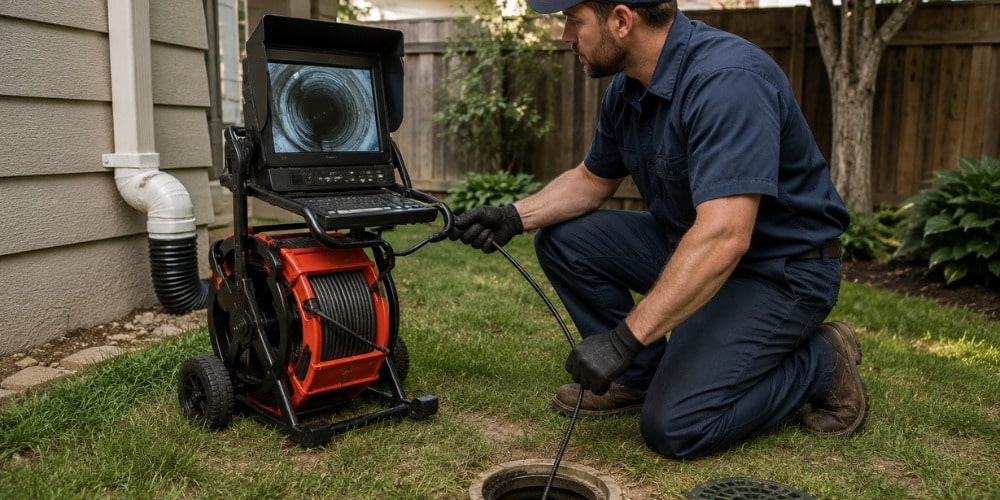
If you have checked P-traps, vent stacks, and toilet seals and the smell persists, the issue may be originating outside the building entirely. Cracked, offset, or root-damaged sewer pipes can allow gas to migrate through the soil. As a result, this gas enters the home through foundation cracks, floor drains, or utility penetrations. This scenario is more common in older homes where underground plumbing pipe types alpharetta buried lines made of clay or cast-iron have had decades to deteriorate.
According to SERVPRO’s resource on sewage smells, gas infiltration from a damaged exterior line can affect multiple rooms at once. Moreover, the smell typically worsens after heavy rainfall because saturated soil drives trapped gases upward toward the structure.
At Zippy Plumber, we specialize in exactly this type of problem. As an underground plumbing specialist serving Alpharetta, GA, our work focuses on the exterior pipe run from the building foundation to the street connection. That stretch of buried line is outside the scope of what most interior plumbers address. It is where serious odor problems often hide. For homeowners in the North Atlanta region dealing with persistent odors and suspecting the source is in the yard, reviewing sewer line repair north atlanta signs fix options gives a clear picture of what diagnosis and repair typically involve.
Things to Know About Sewer Smell in House Causes
- Sewer gas can sometimes smell like sulfur or rotten eggs. However, it can also present as a musty or ammonia-like odor depending on the bacterial composition of the wastewater.
- Intermittent smells that appear only during or after rain events are a strong indicator of an exterior pipe failure rather than an interior plumbing issue.
- Floor drains in basements and garages lose their water seal faster than other fixtures because they are rarely used. Additionally, they sit in lower-humidity environments.
- Older homes built before 1980 are more likely to have clay tile sewer laterals, which are especially prone to root intrusion and offset joints.
- Never use chemical drain treatments to mask persistent sewer odors since they do not address the underlying source and can damage certain pipe materials.
How to Narrow Down the Sewer Smell in House Causes
Start with a systematic walkthrough. Check every drain in the home, including floor drains, by running water briefly. Inspect the base of each toilet for any rocking or visible gap at the wax ring. Note whether the smell is strongest near a specific fixture or seems to permeate the whole home uniformly.
A smell concentrated near one fixture points to a local issue. In contrast, a smell throughout multiple rooms, especially at the lowest levels of the home, points to an exterior or structural source. If you are in Alpharetta or the surrounding North Atlanta area and need professional help narrowing it down, knowing how to hire a licensed drain cleaning company in alpharetta will help you find a qualified contractor who can run camera inspections and provide a documented diagnosis.
Take Action on That Sewer Smell Today
Persistent sewer odors are a signal your plumbing system needs professional attention, not air freshener. At Zippy Plumber, we handle the exterior underground pipe work that interior plumbers do not. We serve homeowners throughout Alpharetta and North Atlanta who need a real diagnosis rather than a temporary fix. Request a free estimate from our team today and get a clear assessment of what is happening outside your home. Contact us now to schedule your inspection before a minor gas issue turns into a costly structural repair.
Frequently Asked Questions
Q: Can a sewer smell in the house go away on its own?
Sometimes, but not reliably, and not safely.
If the cause is a dried P-trap, running water will resolve it within minutes. However, if the source is a cracked sewer line, blocked vent, or failing toilet seal, the smell will return. Moreover, it will likely worsen over time. Do not assume the problem has resolved itself without verifying the cause.
Q: Is sewer gas dangerous to breathe inside a home?
Yes, sewer gas can be harmful at elevated concentrations.
Hydrogen sulfide, one of the primary components of sewer gas, irritates the respiratory system. It can cause headaches and nausea even at low levels. Methane is flammable. If the smell is strong or sudden, ventilate the space immediately and call a professional.
Q: Why does my house smell like sewer only at night or in the morning?
Temperature changes affect air pressure inside drain lines, which can draw gas into the home during cooler, low-traffic hours.
This pattern often points to a partially compromised vent stack or a P-trap that is nearly empty rather than fully dry. It may also coincide with reduced water usage overnight, which lowers the water seal in less-used fixtures.
Q: How do I know if my sewer smell is coming from inside or outside the house?
If multiple rooms are affected and the smell worsens after rain, the source is likely in the exterior sewer line.
A smell isolated to one fixture or one room strongly suggests an interior cause like a P-trap or wax ring. In contrast, a whole-home smell that correlates with weather or ground saturation is a reliable indicator of a buried pipe problem that requires camera inspection.
Q: What does it cost to fix a sewer line causing odors?
The cost depends heavily on the specific issue and whether excavation is required.
Interior fixes like replacing a wax ring or cleaning a drain are relatively inexpensive. Exterior sewer line repairs involving excavation or pipe lining vary based on depth, pipe length, and access difficulty. A professional inspection and estimate is the only accurate way to determine what your specific situation will require.