What’s In This Guide
- What Is an Underground Plumbing Inspection?
- How Does an Underground Plumbing Inspection Work Step by Step?
- What Equipment Is Used During Underground Pipe Inspection Services?
- What Problems Are Most Commonly Found During an Underground Plumbing Inspection?
- Why Would You Need an Underground Pipe Inspection Before Repairs Begin?
- What Happens After an Underground Plumbing Inspection Is Completed?
- Why Should Homeowners in Alpharetta Schedule Underground Pipe Inspection Services Early?
- Frequently Asked Questions
- Schedule an Underground Plumbing Inspection
Underground plumbing problems often remain hidden until property damage, sewer backups, or water loss occurs. An underground plumbing inspection helps identify buried pipe locations, assess pipe condition, and detect possible defects before repair work begins.
For Alpharetta homeowners, accurate underground pipe inspection services can help reduce unnecessary excavation, support more targeted repair planning, and improve diagnostic accuracy.
An underground plumbing inspection uses tools such as sewer cameras, pipe locators, leak detection equipment, and documented inspection findings to evaluate buried water, sewer, or drain lines. For Alpharetta homeowners, this inspection can help locate hidden pipe problems, reduce guesswork before repairs, and determine whether cleaning, spot repair, trenchless repair, or replacement may be needed.
Quick Facts
- An underground plumbing inspection helps locate buried pipes, detect hidden damage, and identify repair needs before excavation begins.
- Common issues include root intrusion, cracked pipes, corrosion, and pipe separation.
- Modern inspection tools, including sewer cameras and pipe locators, improve diagnostic accuracy.
- Early inspections can help prevent sewer backups, property damage, and unnecessary digging.
What Is an Underground Plumbing Inspection?
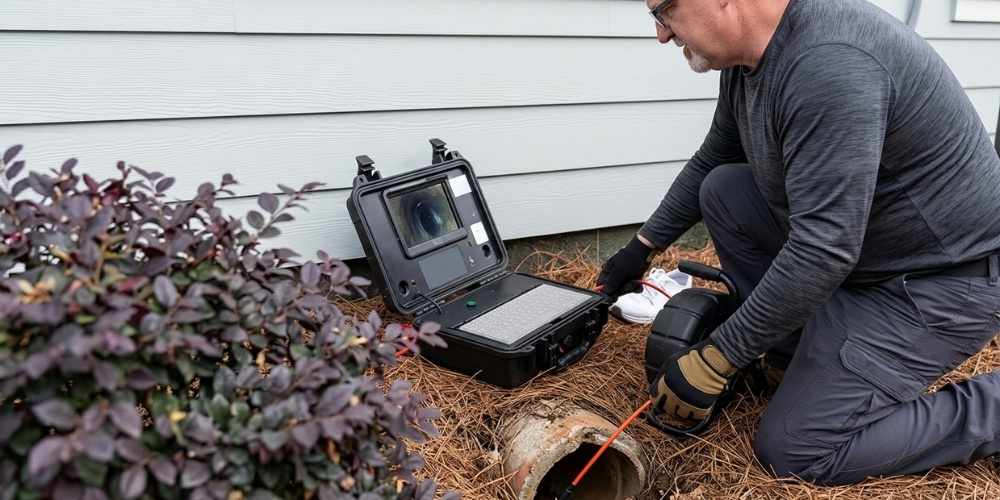
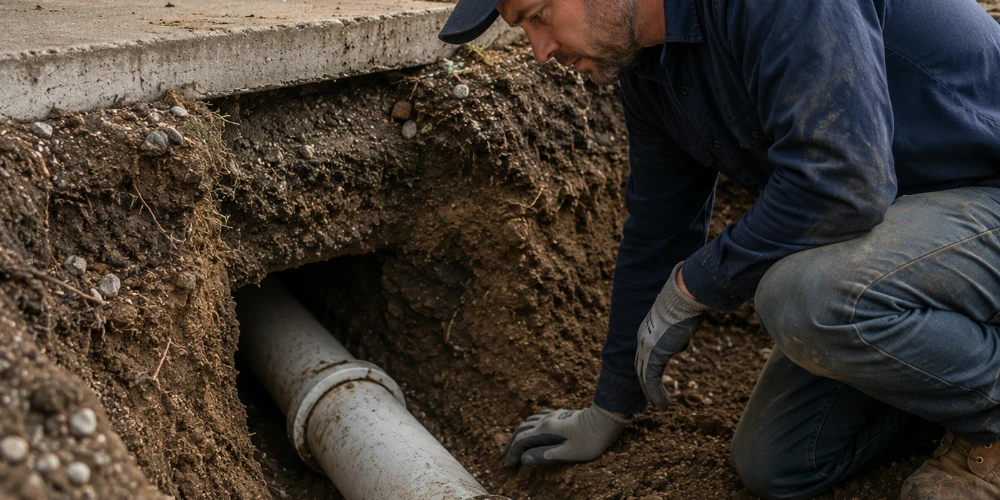
An underground plumbing inspection evaluates the location, condition, and functionality of buried water, sewer, and drain lines before repairs or construction begin.
Unlike standard plumbing inspections that focus on visible fixtures and pipes, underground inspections use specialized technology to examine hidden infrastructure beneath the property.
What Does an Underground Plumbing Inspection Cover?
Underground pipe inspections focus on locating buried lines and evaluating pipe condition.
A comprehensive underground plumbing inspection checklist may include:
- Sewer line locating
- Water line locating
- Camera inspection of drain lines
- Pipe material identification
- Leak detection
- Root intrusion assessment
- Pipe depth measurement
- Connection point verification
- Structural condition evaluation
Why Is Underground Plumbing Different From Above-Ground Plumbing?
Underground plumbing requires specialized diagnostic tools because direct visual access is unavailable.
Key differences include:
|
Above-Ground Plumbing |
Underground Plumbing |
|
Visible access |
Hidden below soil |
|
Easier repairs |
Excavation may be required |
|
Visual inspections possible |
Technology-assisted inspections required |
|
Faster diagnosis |
Advanced locating needed |
How Does an Underground Plumbing Inspection Work Step by Step?
An underground plumbing inspection works by locating buried pipes, accessing the line, using camera or leak detection equipment, reviewing pipe condition, and documenting the findings. Each step helps confirm where the problem is, what caused it, and what repair method makes the most sense.
Step 1: Locate the Buried Plumbing Lines
The plumber first identifies where underground water, sewer, or drain lines run beneath the property. Pipe locating equipment helps map the route, depth, and direction of buried lines before any repair work begins.
Step 2: Find a Safe Access Point
The inspection usually starts through a cleanout, drain opening, or other approved access point. A safe access point allows the plumber to inspect the underground pipe without unnecessary digging.
Step 3: Run a Sewer Camera Through the Pipe
A waterproof sewer camera is inserted into the line to capture real-time footage. This allows the plumber to see blockages, cracks, root intrusion, corrosion, pipe separation, and other hidden underground plumbing problems.
Step 4: Track the Camera Location Above Ground
As the camera moves through the pipe, locating equipment can track the camera head from the surface. This helps mark the exact location of damaged sections, blockages, or repair areas.
Step 5: Check the Pipe Condition and Flow Path
The plumber reviews the footage to evaluate pipe alignment, slope, material, and overall condition. This step helps determine whether the problem is minor, localized, or part of a larger underground pipe issue.
Step 6: Identify the Cause of the Plumbing Problem
Inspection findings help connect visible symptoms to the actual cause. Common causes include grease buildup, tree roots, collapsed pipe sections, offset joints, soil movement, or aging pipe material.
Step 7: Document the Findings in an Inspection Report
The plumber records key details such as pipe location, defect type, severity, and recommended next steps. A clear underground plumbing inspection checklist helps homeowners understand what was found and why a specific repair is recommended.
Step 8: Recommend the Right Repair Option
After the inspection, the plumber explains whether cleaning, spot repair, trenchless repair, or pipe replacement is appropriate. The final recommendation should be based on verified inspection data, not guesswork.
What Equipment Is Used During Underground Pipe Inspection Services?
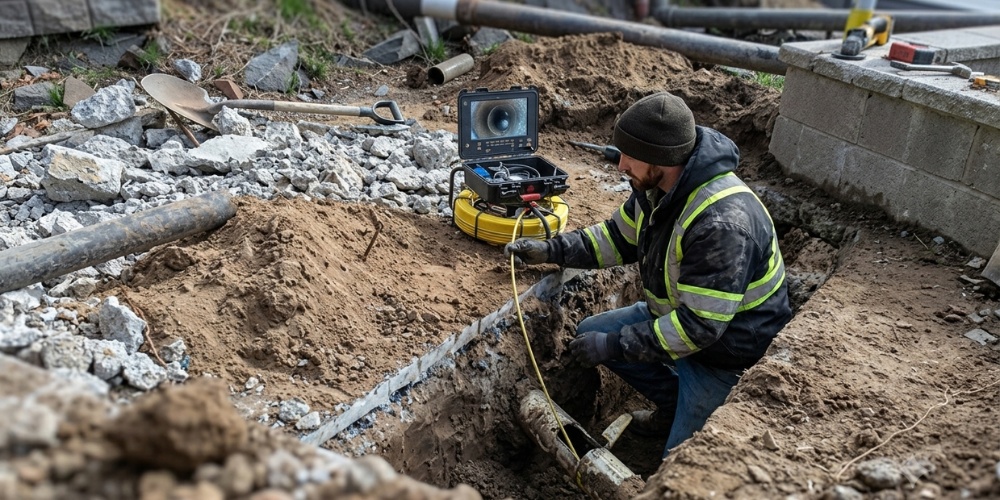
Modern underground pipe inspection services rely on advanced diagnostic technology.
Common equipment includes:
|
Equipment |
Function |
|
CCTV camera systems |
Internal pipe inspection |
|
Pipe locators |
Underground pipe mapping |
|
Leak detectors |
Hidden leak identification |
|
Sonde transmitters |
Camera tracking |
|
Mapping software |
Route documentation |
What Problems Are Most Commonly Found During an Underground Plumbing Inspection?
Most underground plumbing issues involve blockages, structural deterioration, or damage from outside forces. Common findings include:
- Root intrusion: Tree roots can enter small cracks or loose pipe joints, then expand inside the sewer line and restrict flow. Because roots are linked to more than 50% of reported sewer blockages, early inspection can help prevent recurring backups and costly root removal.
- Cracked pipes: Pipe cracks allow wastewater to leak into surrounding soil, which can lead to erosion, odors, and property damage.
- Corrosion: Older metal pipes can weaken over time, reducing pipe lifespan and increasing the risk of leaks or collapse.
- Pipe separation: Disconnected or offset pipe joints can cause leakage, soil infiltration, poor drainage, and repeat clogs.
➤ READ NEXT: Signs Your Buried Water Line in Alpharetta Needs Attention
Why Would You Need an Underground Pipe Inspection Before Repairs Begin?
An underground pipe inspection helps identify the exact location, condition, and cause of a plumbing problem before repair work starts. Accurate inspection data reduces guesswork, supports targeted repairs, and helps homeowners avoid unnecessary excavation.
To Identify the Exact Source of the Problem
Many underground plumbing issues produce similar symptoms, including slow drains, sewer odors, and recurring backups. An underground plumbing inspection pinpoints the precise location and cause of the issue, allowing plumbers to address the actual problem instead of relying on assumptions.
To Avoid Unnecessary Digging and Property Damage
Excavating without first locating underground pipes can damage landscaping, driveways, patios, and utility lines. Underground pipe inspection services help determine where repairs are needed so excavation remains limited to affected areas whenever possible.
To Assess the Overall Condition of Buried Pipes
A plumbing issue may be only one part of a larger problem. An underground pipe inspection evaluates the condition of the entire pipe segment, helping identify corrosion, cracks, root intrusion, pipe separation, or structural deterioration that could lead to future failures.
To Choose the Most Appropriate Repair Method
Different plumbing problems require different repair solutions. Inspection findings help determine whether pipe cleaning, spot repairs, trenchless technology, or pipe replacement is the most effective approach. Accurate diagnostics support more efficient repair planning and budgeting.
To Detect Hidden Leaks Before They Cause Major Damage
Underground leaks often go unnoticed until water bills increase or property damage becomes visible. Early inspection can reveal hidden leaks before they contribute to soil erosion, foundation concerns, landscape damage, or excessive water loss.
To Verify Pipe Location and Depth
Knowing the exact route and depth of underground plumbing is critical before any repair work begins. Pipe locating technology helps plumbers map buried lines accurately, reducing delays and improving job-site safety.
To Prevent Misdiagnosis and Repeat Repairs
Repairing the wrong section of pipe can lead to recurring problems and additional expenses. An underground plumbing inspection checklist provides documented findings that help ensure repairs address the root cause rather than temporary symptoms.
To Support Home Purchase or Property Improvement Projects
Homebuyers and property owners planning renovations often use underground pipe inspections to evaluate existing plumbing infrastructure. Inspection reports can reveal hidden defects that may affect future maintenance costs or construction plans.
What Happens After an Underground Plumbing Inspection Is Completed?
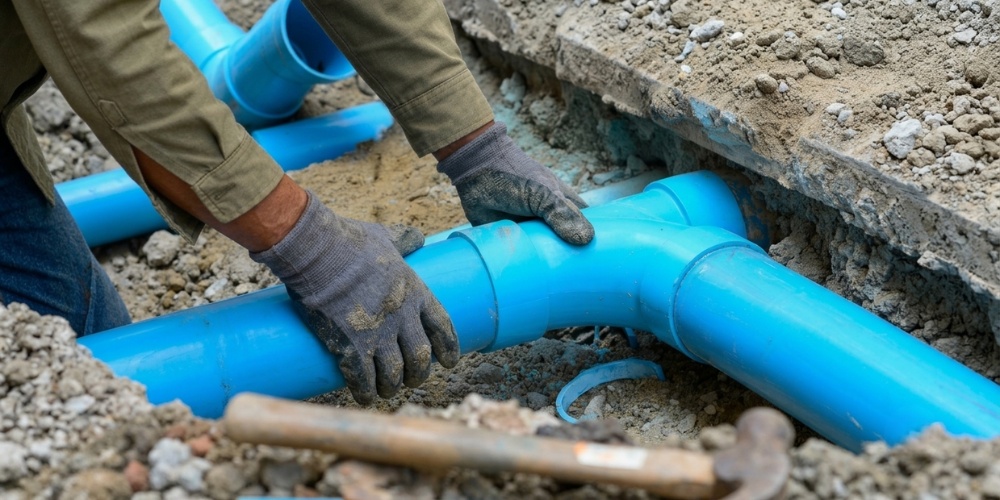
Inspection findings determine the most appropriate repair strategy.
After inspection, plumbers typically recommend:
- Preventive maintenance
- Pipe cleaning
- Spot repairs
- Trenchless repairs
- Partial replacement
- Full replacement
Different defects require different repair approaches.
|
Finding |
Typical Recommendation |
|
Minor blockage |
Cleaning |
|
Root intrusion |
Root removal or repair |
|
Localized crack |
Spot repair |
|
Extensive deterioration |
Replacement |
|
Bellies |
Section replacement |
Why Should Homeowners in Alpharetta Schedule Underground Pipe Inspection Services Early?
Scheduling underground pipe inspection services early helps homeowners find hidden plumbing problems before major damage, emergency repairs, or unnecessary digging occurs. Early inspection is especially useful when warning signs appear around drains, yards, foundations, or sewer lines.
To Catch Small Pipe Problems Before Major Repairs
Small cracks, minor blockages, and early root intrusion can become serious underground plumbing issues over time. Early inspection helps identify these problems while repairs may still be more targeted and less disruptive.
To Reduce the Risk of Sewer Backups
Recurring slow drains, gurgling toilets, and sewer odors can point to developing sewer line problems. An underground pipe inspection helps locate the blockage or defect before wastewater backs up into the home.
To Prevent Unnecessary Digging Around the Property
Accurate pipe locating helps plumbers identify where underground lines run and where damage exists. This reduces exploratory digging around lawns, driveways, patios, and landscaped areas.
To Protect Foundations, Yards, and Hardscapes
Hidden underground leaks can soften soil, create wet spots, or contribute to erosion near the home. Early inspection helps detect buried pipe problems before moisture affects foundations, walkways, retaining walls, or outdoor living areas.
To Plan Repairs Before an Emergency
Early inspection gives homeowners time to compare repair options, schedule service, and budget for the work. Emergency plumbing repairs usually create more disruption because homeowners have less time to plan.
To Support Home Purchases and Renovation Projects
Buyers and homeowners planning additions, landscaping, or driveway work can use underground pipe inspection services to verify pipe location and condition. Inspection findings help prevent construction delays and unexpected plumbing conflicts.
To Get a Clear Repair Recommendation
An inspection report helps homeowners understand the cause, location, and severity of the problem. Clear findings make it easier to decide whether cleaning, spot repair, trenchless repair, or replacement is the right next step.
Frequently Asked Questions
How long does an underground plumbing inspection usually take?
Most underground plumbing inspections can be completed within a few hours, depending on the size of the property and the complexity of the plumbing system. Larger properties or systems with multiple access points may require additional time. The inspection process may also take longer if significant damage or blockages are discovered.
Can underground pipes be inspected without digging?
Yes, many underground pipe inspections can be performed without excavation. Plumbers often use sewer cameras, electronic locators, and leak detection equipment to assess buried pipes from existing access points.
Is an underground plumbing inspection recommended before buying a home?
An underground plumbing inspection can help identify hidden sewer and drain line problems before a property purchase is finalized. Inspection findings may reveal issues that are not visible during a standard home inspection.
Are older homes more likely to need underground pipe inspections?
Older homes may have aging plumbing materials that are more vulnerable to corrosion, cracking, and joint failure. Underground inspections can help assess the condition of older sewer and water lines before problems become severe.
What information is typically included in an inspection report?
Most inspection reports include pipe locations, identified defects, camera findings, and recommended next steps. Some reports may also include photographs, video recordings, and pipe depth information.
Schedule an Underground Plumbing Inspection
Zippy Plumber helps homeowners in Alpharetta, GA, inspect underground plumbing before repairs, digging, or property improvements begin. A professional inspection can locate buried lines, assess pipe condition, and identify issues such as leaks, blockages, root intrusion, or damaged pipe sections. Clear inspection findings help reduce guesswork and support better repair decisions.
Schedule your underground plumbing inspection with Zippy Plumber today.