
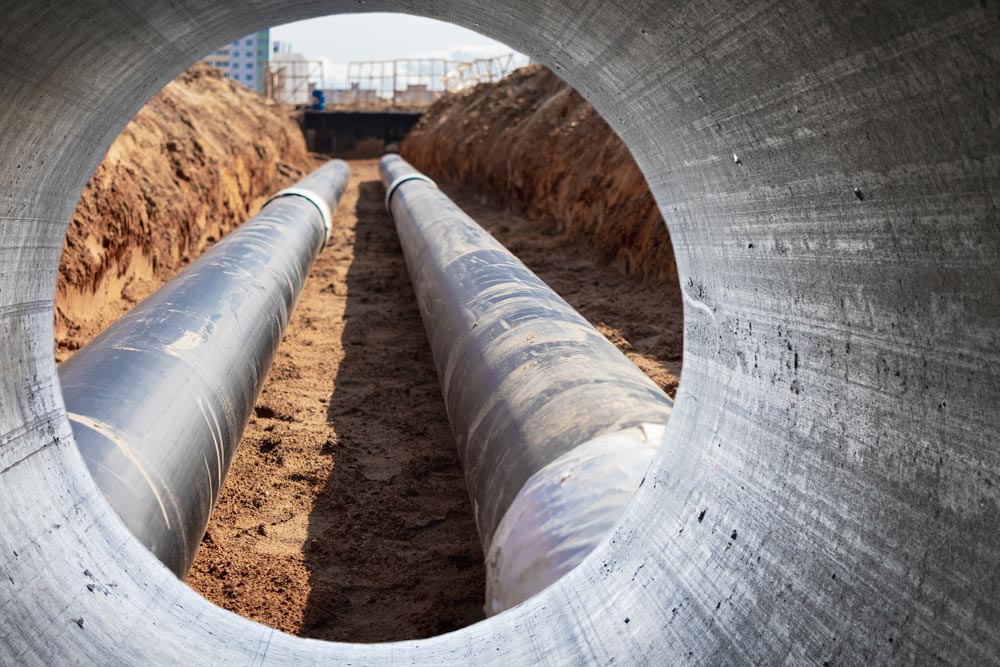
The cost to replace a water main line typically runs between $2,000 and $5,000 for most residential projects, according to HomeGuide (2026). Per linear foot, homeowners generally pay $50 to $150 depending on pipe material, depth, and access conditions, according to Angi (2026).
Table of Contents
- What Drives the Cost of Water Main Line Replacement
- Trench vs. Trenchless: Which Method Costs More for Water Main Line Replacement
- Signs Your Water Main Line Needs Replacing
- Key Factors That Affect Your Water Main Line Replacement Cost
- Will Insurance or Warranties Cover Water Main Line Replacement
Key Takeaways
- Most homeowners spend $2,000 to $5,000 on a full water main line replacement, with an average near $3,600 for exterior service lines (HomeServe, 2025).
- Cost per linear foot ranges from $50 to $150 depending on pipe material, trench depth, and site conditions.
- Trenchless methods cost more upfront but reduce yard restoration expenses significantly.
- Aging infrastructure is a national concern: according to the ASCE (2024), roughly 240,000 water main breaks occur in the U.S. every year.
- Catching a failing line early, before a full break, almost always costs less than emergency repair.
- Zippy Plumber specializes in exterior underground pipe work from the building to the street, which is exactly the scope of most water main replacements.
What Drives the Cost of Water Main Line Replacement
Several variables push the cost to replace a water main line up or down. Understanding each one helps you read a contractor’s quote more clearly and avoid surprise charges.
Pipe length and depth. The longer and deeper the line, the more labor and material you pay for. A 50-foot run from your house to the street costs far less than a 150-foot run on a larger lot. Moreover, most quotes price this out by the linear foot, which is why the $50–$150 range is wide.
Pipe material. Copper remains a popular choice for durability and longevity, but it costs more per foot than alternatives like HDPE (high-density polyethylene) or PEX. Furthermore, each material has different pressure tolerances and expected lifespans worth discussing with your plumber before committing.
Soil and site conditions. Rocky soil, clay-heavy ground, or a yard with significant landscaping all increase excavation time. Additionally, tree roots near the line complicate removal of the old pipe.
Permits and inspections. Most municipalities in the U.S. require a permit for water main work. Permit fees vary by city but typically add $100 to $500 to the total. Your contractor should pull the permit on your behalf and schedule the required inspection.
Labor market. Plumber rates in metro areas like Atlanta tend to run higher than rural markets. In Alpharetta, GA, and the surrounding north Atlanta suburbs, demand for underground utility work has remained elevated as older neighborhoods continue to age out their original service lines.
Here is a quick breakdown of typical cost contributors:
| Cost Factor | Low Estimate | High Estimate |
|---|---|---|
| Pipe material (per linear foot) | $5 | $30 |
| Labor (per linear foot) | $30 | $80 |
| Excavation and backfill | $200 | $1,500 |
| Permits and inspections | $100 | $500 |
| Yard restoration | $200 | $1,000 |
| Total (typical range) | $2,000 | $5,000+ |
If you have questions about how much does drain cleaning cost for interior issues versus a full main line job, the two are very different in scope and pricing.
Trench vs. Trenchless: Which Method Costs More for Water Main Line Replacement
Traditional open-trench replacement involves digging a channel along the entire length of the pipe. Workers remove the old line and lay new pipe. Then they backfill the excavation. This method is effective and gives the crew full visibility of the line, but it disrupts your yard, driveway, or landscaping.
Trenchless replacement methods, mainly pipe bursting and pipe lining, require only one or two small access points. The trenchless pipe repair market was valued at $22.7 billion in 2025 (SNS Insider, 2025), reflecting strong industry growth driven by homeowners and municipalities preferring less disruptive methods.
Key trade-offs:
- Trenchless typically costs 30–50% more per linear foot for the actual pipe work.
- However, trenchless saves on yard restoration, which can run hundreds to over a thousand dollars for sod, landscaping, or driveway repair.
- In contrast, trenchless requires the existing pipe to be in a condition that allows access. Severely collapsed lines may not qualify.
- Open trench is sometimes the only practical option when multiple utilities run close together underground.
Neither method is universally better. A qualified underground plumbing specialist will assess your specific line and recommend the appropriate approach. Zippy Plumber, based in Alpharetta, GA, handles exactly this type of exterior underground pipe work and can walk you through the options for your property.
Signs Your Water Main Line Needs Replacing
Not every pipe failure announces itself with a dramatic flood. Some signs are subtle but worth acting on quickly. If you notice a sewer smell in house causes alongside water pressure issues, it may indicate multiple underground line problems rather than a single isolated clog.
Watch for these warning signals:
- Consistently low water pressure throughout the home with no indoor explanation
- Unexpectedly high water bills without a change in usage
- Wet or soggy patches in the yard on dry days
- Discolored or rusty water from multiple fixtures
- Visible corrosion or pitting on exposed sections of pipe near the meter
According to the ASCE (2024), the U.S. experiences roughly 240,000 water main breaks per year, costing about $2.6 billion in repairs and maintenance. Nationally, 19.4% of water mains, totaling 452,000 miles, are beyond their useful lives but remain in service due to funding shortfalls, per the Utah Water Research Laboratory (2024). The takeaway: aging lines are everywhere, and waiting for a full break before acting rarely saves money.
Key Factors That Affect Your Water Main Line Replacement Cost
The average cost to replace an exterior water service line is roughly $3,600, more than three times the cost of a repair alone (HomeServe, 2025). Repair versus replace is a conversation worth having with your contractor before work begins.
Using is drain cleaner bad for pipes chemical treatments on a line already weakened by age can accelerate deterioration. Therefore, prevention and timely replacement offer better long-term value.
Homeowners are responsible for the water service line from the meter to the home in most U.S. municipalities. Confirm your local utility’s boundary before assuming the city will cover any portion of the cost.
Zippy Plumber focuses exclusively on exterior underground pipe work from the building to the street and does not perform indoor fixture repairs, which keeps their teams focused on this specific type of project.
The EPA’s 2023 needs assessment estimates the U.S. requires $625 billion over the next 20 years to bring water infrastructure to a state of good repair (ASCE, 2024). This signals that water line issues will become more common, not less.
Will Insurance or Warranties Cover Water Main Line Replacement
Standard homeowners insurance policies often exclude water main line replacement unless the damage resulted from a sudden, covered peril. It is worth reviewing your policy carefully, as coverage varies. You can read a detailed breakdown of does homeowners insurance cover sewer line to understand how policies typically handle underground utility lines.
Some utilities and third-party providers offer service line protection plans for a monthly fee. These plans cap your out-of-pocket exposure for line failures but often come with exclusions and repair limits. Read the fine print before enrolling.
Get an Accurate Estimate Before a Small Problem Becomes a Costly Emergency
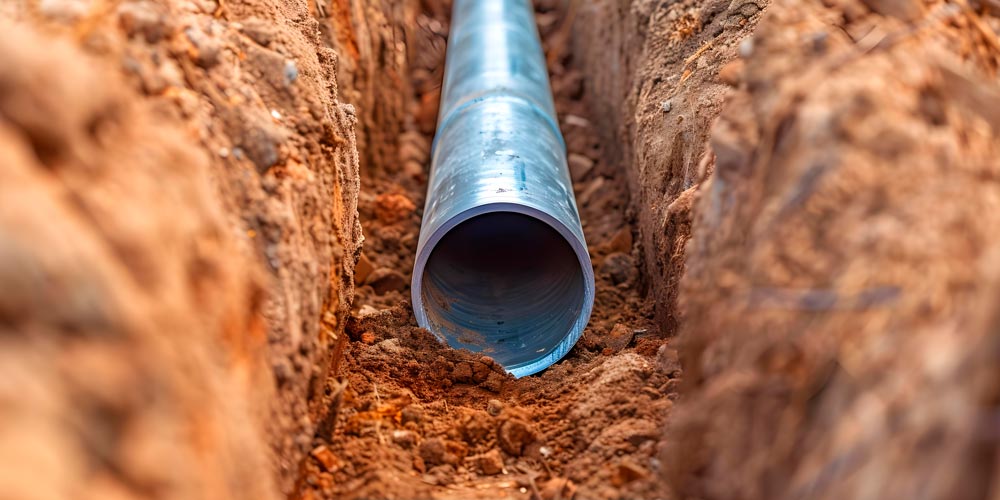
Water line issues do not resolve on their own. A slow leak today can become a full break tomorrow, driving up the final repair bill significantly. Contact Zippy Plumber to request a free estimate on your exterior water main line. The team in Alpharetta, GA, specializes in this exact type of underground work and can assess your line’s condition, explain your replacement options, and give you a clear cost range before any digging begins.
Frequently Asked Questions
Q: How long does a water main line replacement take?
Most residential water main replacements take one to three days to complete.
The actual timeline depends on pipe length, method used, and local permit processing times. Trenchless jobs with shorter runs can sometimes finish in a single day.
Q: Does my homeowners insurance cover a broken water main line?
Coverage depends on your specific policy and the cause of the break.
Many standard policies exclude gradual deterioration but may cover sudden pipe failures under certain conditions. Reviewing your policy or speaking with your insurance agent before a project begins is advisable.
Q: What is the difference between a water main repair and a full replacement?
A repair patches or replaces a damaged section, while a replacement involves removing and re-running the entire service line.
Repair costs less upfront but may not be the right long-term solution if the pipe is aging throughout. A contractor assessment helps determine which approach fits your situation.
Q: Can I stay in my home during a water main replacement?
In most cases, yes, though water service will be interrupted for a portion of the day.
Your contractor should give you a schedule for service shutoffs so you can plan accordingly. Most jobs restore service by the end of each working day.
Q: How do I know if my water main line is galvanized, copper, or HDPE?
A licensed plumber can identify pipe material during an inspection, often using a small access point or checking existing records.
Older homes built before the 1970s frequently have galvanized steel lines, which corrode from the inside over time and are strong candidates for replacement.
The Bottom Line on Cost to Replace a Water Main Line
The cost to replace a water main line sits between $2,000 and $5,000 for most U.S. homeowners, with the final number shaped by pipe length, material choice, access conditions, and whether you go trench or trenchless. The national infrastructure picture makes clear this is a growing issue: aging pipes and funding gaps mean more homeowners will face this decision in the years ahead.
If your water pressure has dropped, your bills are climbing, or your yard has unexpected wet spots, do not wait for a failure. Schedule an assessment with a qualified underground plumbing specialist and get a clear picture of what replacement will actually cost on your property.