
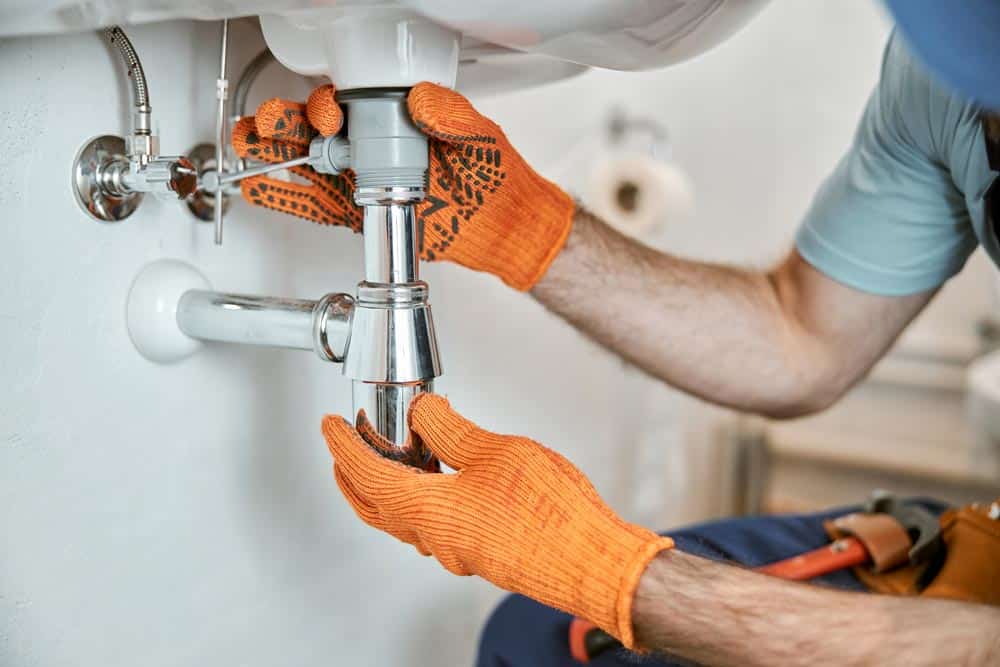
Knowing the right questions to ask a plumber can save you from costly surprises, shoddy work, and mismatched expectations. Before any professional touches your pipes, a short list of pointed questions separates trustworthy contractors from those who cut corners.
Table of Contents
- Why the Right Questions Matter More Than Ever
- Licensing, Insurance, and Credentials Questions
- Scope of Work and Specialization Questions
- Pricing, Estimates, and Hidden Fees Questions
- Timeline, Warranties, and Follow-Up Questions
- Things to Know
Key Takeaways
- Always verify a plumber’s license and liability insurance before work begins.
- Ask whether the contractor specializes in your specific type of job — interior vs. exterior, residential vs. commercial.
- Get a written, itemized estimate before signing anything.
- Clarify warranty terms for both parts and labor in writing.
- Understand which permits are required and who pulls them.
- Know the difference between a diagnostic visit fee and a full repair quote.
Why the Right Questions Matter More Than Ever
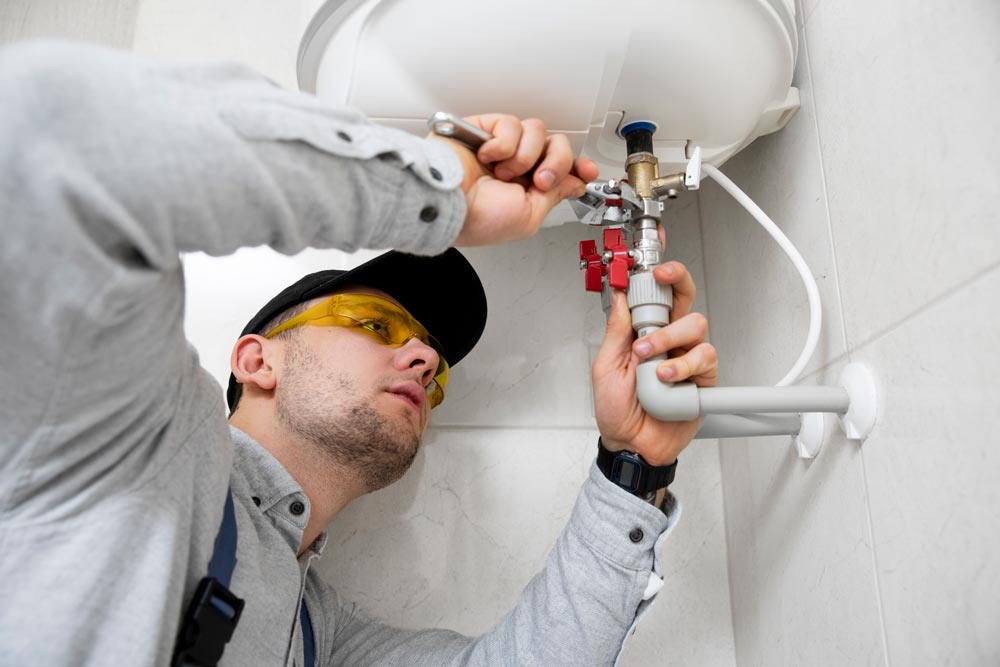
The U.S. plumbing industry generated $169.8 billion in revenue in 2025, with approximately 132,000 plumbing businesses operating nationwide, according to IBISWorld (2025). With that many options, competition is high. However, quality varies significantly across contractors.
The plumbing job market is expected to grow by 6% through 2033, according to GetJober (2024). This means more new entrants will enter the field. As a result, inexperienced contractors may slip through the cracks more easily.
Consumers who skip the vetting process often discover problems after the fact. Unlicensed work can void homeowner warranties. Surprise fees get added after the job finishes. Moreover, a contractor may handle the wrong type of plumbing entirely. A few direct questions asked upfront eliminate most of these headaches before they start.
Licensing, Insurance, and Credentials Questions
The first thing you need to ask any plumber is whether they are licensed in your state. Additionally, confirm they carry both general liability insurance and workers’ compensation. In most states, plumbing licenses are issued at the state level. These licenses must be renewed periodically. A plumber working without a valid license exposes you to liability if something goes wrong.
Ask these specific questions at this stage:
- “Can you provide your license number and the state it was issued in?”
- “Do you carry general liability insurance? What is the coverage amount?”
- “Are your workers covered by workers’ compensation?”
- “Have you had any complaints filed against your license in the past three years?”
Licensing boards in most states maintain public databases. You can verify these details in minutes. Do not rely solely on the contractor’s word. Taking two minutes to cross-check a license number protects you from a much longer, costlier dispute later.
If the job touches sewer infrastructure, also ask an important follow-up question. You may need to check does homeowners insurance cover sewer line damage before any work begins. Many policies treat underground lines differently than interior plumbing.
Scope of Work and Specialization Questions
Not every plumber handles every type of job. Plumbing splits broadly into two categories. Interior work includes fixtures, water heaters, and supply lines inside the home. Exterior underground work includes sewer laterals, water service lines, and connections from the building to the street. Hiring a contractor who specializes in the wrong area is one of the most common and expensive mistakes homeowners make.
At Zippy Plumber, for example, we handle exterior underground pipe work only. We work from the building to the street in the Alpharetta, GA area. We do not perform indoor fixture repairs. That kind of specialization is not a limitation; it is a quality signal. Ask every contractor you interview exactly what scope of work they cover. Determine whether your specific job falls within their expertise.
Key scope questions to ask:
- “Do you specialize in residential, commercial, or both?”
- “Is this type of job something your crew handles regularly, or is it outside your usual scope?”
- “Will you be performing the work yourself, or will you subcontract any portion of it?”
- “Are there permits required for this job, and who pulls them?”
If you have noticed something unusual before the service visit, describe the symptom clearly. For instance, if you are dealing with a sewer smell in house causes situation, ask the contractor whether diagnosing it falls within their expertise. A specialist will tell you honestly if it does not.
Pricing, Estimates, and Hidden Fees Questions
Cost transparency is one of the clearest indicators of a professional operation. Ask for a written, itemized estimate before any work begins. An estimate should break down labor, materials, permit fees, and diagnostic charges separately.
Some important pricing questions to ask:
- “Is this a flat-rate quote or an hourly rate?”
- “What does the diagnostic or service call fee cover, and is it applied toward the final bill?”
- “Are there any conditions under which the price could increase after you begin?”
- “How do you handle unexpected findings once the job has started?”
For reference, understanding how much does drain cleaning cost before your appointment gives you a useful baseline. You will know what typical service pricing looks like in your area. Knowing the market rate helps you identify quotes that are suspiciously low or unreasonably high.
Also ask whether they accept payment in stages. Tie payments to project milestones, rather than large upfront payments. Requiring a significant deposit before any work is performed is a common red flag in the trades.
Timeline, Warranties, and Follow-Up Questions
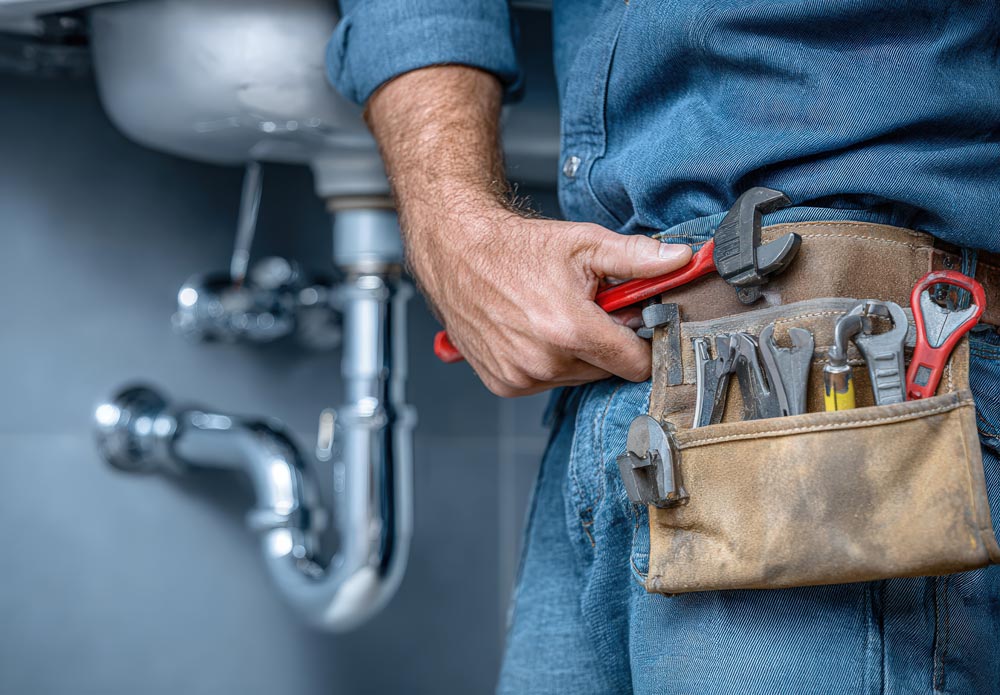
Before committing, ask for a clear project timeline. Request start and expected completion dates in writing. For larger jobs like a sewer line replacement or water service line repair, delays can disrupt your household significantly. Pin down the schedule in writing to avoid misunderstandings.
Warranty questions are equally critical and deserve your attention:
- “Do you warrant both the parts and the labor? For how long?”
- “If something fails within the warranty period, what is the response time?”
- “Are the materials you use manufacturer-warranted, and do those warranties transfer to the homeowner?”
Many homeowners also wonder whether everyday habits contribute to recurring plumbing issues. One common concern involves whether is drain cleaner bad for pipes — ask your plumber about chemical use during the consultation. Certain products can accelerate pipe corrosion and void material warranties.
| Question Category | What to Confirm in Writing |
|---|---|
| Licensing & Insurance | License number, coverage amounts |
| Scope of Work | Exact tasks covered, subcontractor use |
| Pricing | Itemized estimate, rate type, change-order terms |
| Timeline | Start date, completion date, delay policy |
| Warranty | Labor duration, parts coverage, transfer eligibility |
Things to Know
- Plumbing permits are legally required for many projects in most U.S. jurisdictions. A contractor who discourages pulling permits is a red flag.
- Workers’ compensation is separate from liability insurance. Both matter: liability covers property damage. Workers’ comp protects you if a worker is injured on your property.
- Verbal quotes are not binding. Always get estimates in writing before authorizing any work.
- Some contractors offer financing. Ask about it if the job is large. However, read the terms carefully. Pay special attention to interest rates.
- If a contractor cannot clearly explain what they plan to do and why, that uncertainty will likely show in the finished work.
Take the Next Step With a Specialist Who Answers Every Question
If your plumbing concern involves underground exterior lines, you deserve a contractor who will answer every question on this list without hesitation. Request a free estimate from Zippy Plumber and get clear, direct answers about your sewer or water service line. We specialize exclusively in exterior underground pipe work in the Alpharetta, GA area. Fill out our contact form today and hear back with a transparent quote. No guesswork. No hidden charges.
Frequently Asked Questions
Q: Should I ask for references before hiring a plumber?
Yes, asking for references from recent customers is a reasonable and recommended step. References give you direct insight into how a contractor communicates. You learn how they respect schedules. Moreover, you discover how they handle unexpected problems. Ask for at least two references from jobs completed within the past year. Follow through with the calls.
Q: How do I know if a plumber is licensed in Georgia?
You can verify a Georgia plumbing license through the Georgia Secretary of State’s Professional Licensing Boards Division website. The search is free and publicly accessible. Look up the contractor by name or license number before any work begins.
Q: What is the difference between a plumbing estimate and a plumbing bid?
An estimate is an educated approximation of cost, while a bid is a firm, legally binding price commitment. For large projects, always push for a written bid rather than a loose estimate. This protects you if material costs shift or the job runs longer than anticipated.
Q: Is it normal to pay a service call fee before the plumber does any work?
Yes, most licensed plumbers charge a diagnostic or service call fee to cover their time and travel. The key question is whether that fee is credited toward the total cost if you proceed with the repair. Ask this clearly before scheduling the appointment.
Q: What happens if a plumber finds additional problems mid-job?
A reputable contractor will stop work and explain what they found. They provide a written change order before proceeding. Never authorize verbal change orders. Any scope expansion should be documented with updated pricing. Both parties must sign before additional work begins.
The Bottom Line on Questions to Ask a Plumber
The questions to ask a plumber are not just about vetting credentials. They establish a professional relationship built on transparency before anyone picks up a tool. The right questions reveal competence, honesty, and scope fit faster than any online review can.
Start with licensing and insurance, confirm the scope matches your job, and get every cost and warranty term in writing. If you are dealing with an exterior underground line issue in the greater Alpharetta area, reach out to Zippy Plumber. Get straightforward answers from a team that specializes in exactly that kind of work.